Learning to walk with the IKEA FLISAT children’s stool
First steps: a milestone
A baby’s first independent steps mark an important milestone in their life. Suddenly, little ones can move about on their own two little legs, with both hands free. This opens up whole new worlds of play and discovery for them. Standing at the ‘ play table’ to play and reach for things, fetching their favourite book from the book box or pushing the doll’s pram. All of this is now possible. But when is the right time for your baby to learn to walk?
When do children learn to walk?
As with everything concerning our little ones, the time when your child learns to walk is entirely individual. Some children start walking at around 10 months. Others take twice as long. Every child has their own pace, and that’s a good thing. Don’t compare them with other children of the same age. Instead, focus on what your baby can already do and how you can best support them.
First attempts at walking
It takes a while before that first step is taken. Your little one will initially follow their natural urge to move and prepare to build up enough strength. Later comes sitting, crawling and the first attempts at crawling. Before you know it, you’ll see your little one trying to pull themselves up on objects. This strengthens their legs, as they’ll need to be able to support their weight when walking. But what happens next, and should you do anything specific to ‘teach’ your child to walk?
How to help your baby learn to walk
As a general rule, you should encourage and support your baby. At the same time, however, you shouldn’t push them too hard and should allow things to take their natural course. Create an environment that encourages walking:
- Give your baby as much open space as possible so that they can move around safely and freely, without being hindered by objects whilst learning to walk.
- Let your baby walk barefoot. This gives your little one a better feel for the ground and helps them learn to roll their feet properly. Shoes should only be introduced once they’re walking well.
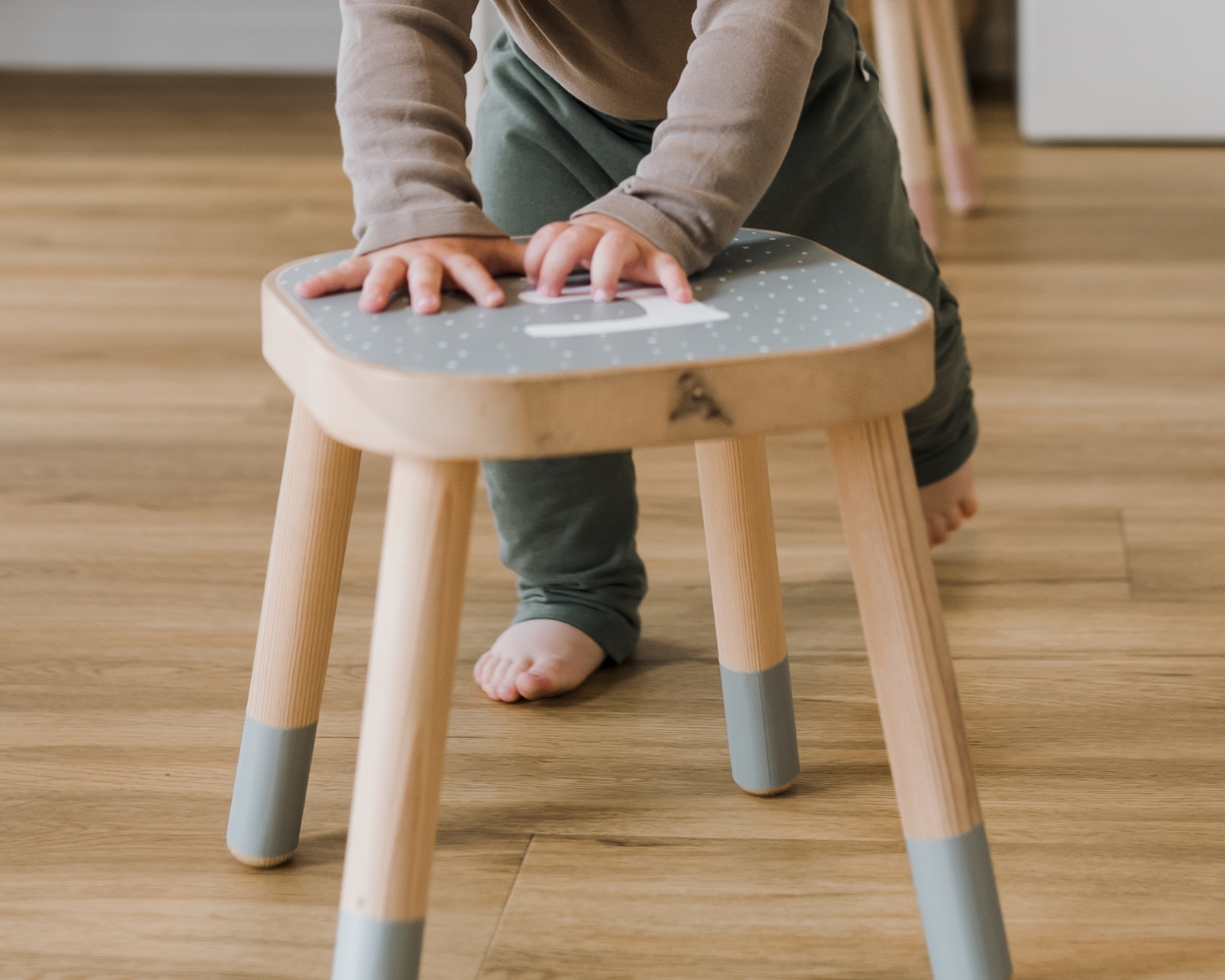
- Baby walkers that you place your child in tend to hinder their natural urge to move and can lead to postural problems. Instead, provide your child with objects at different heights that they can pull themselves up on and push around as they please.
IKEA FLISAT as an alternative to a baby walker
Unlike with a baby walker, your child cannot lean too far forwards and must keep both hands on the stool to support themselves. This helps prevent postural problems that can arise with baby walkers.
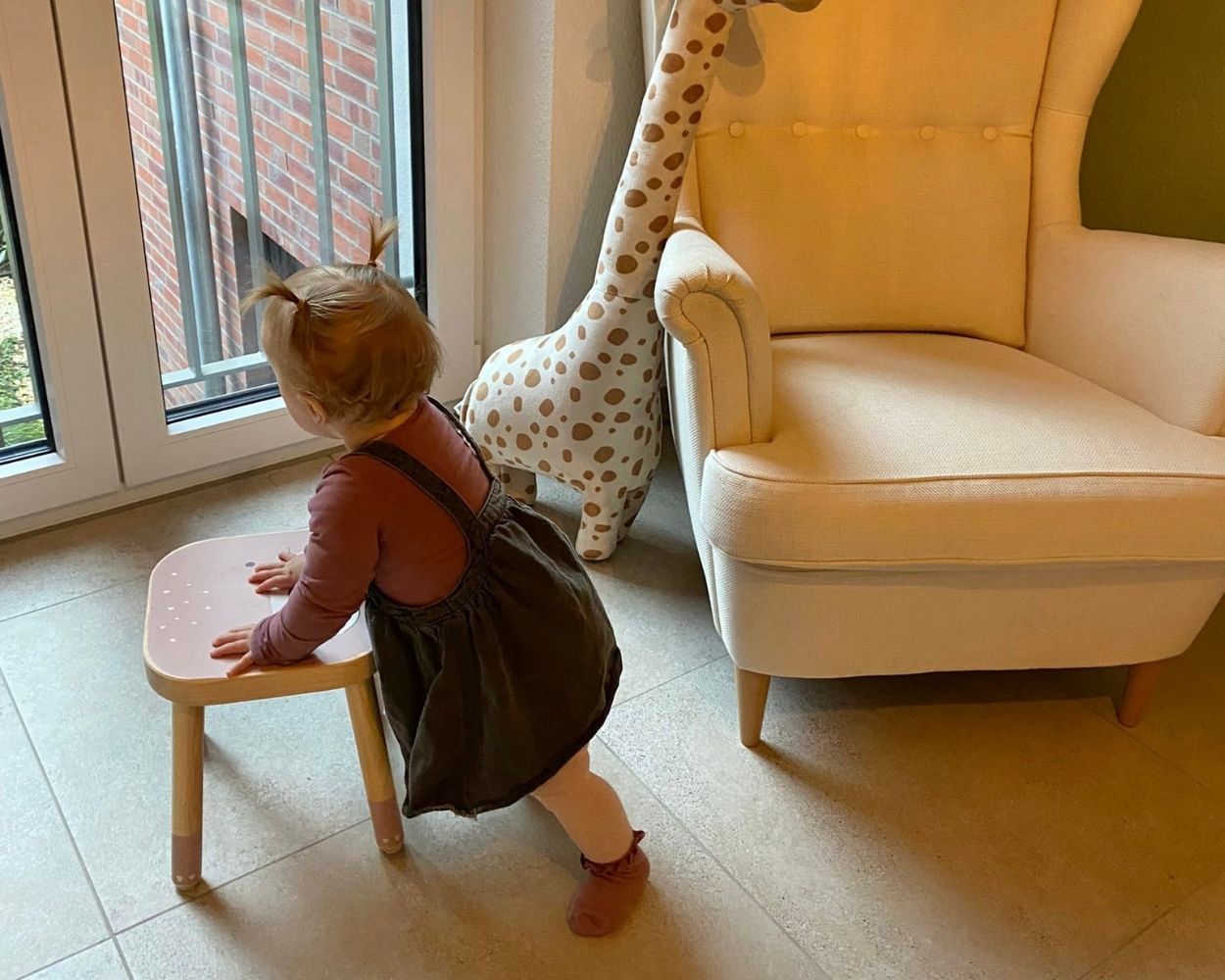
How to help your child learn to walk with the IKEA FLISAT stool
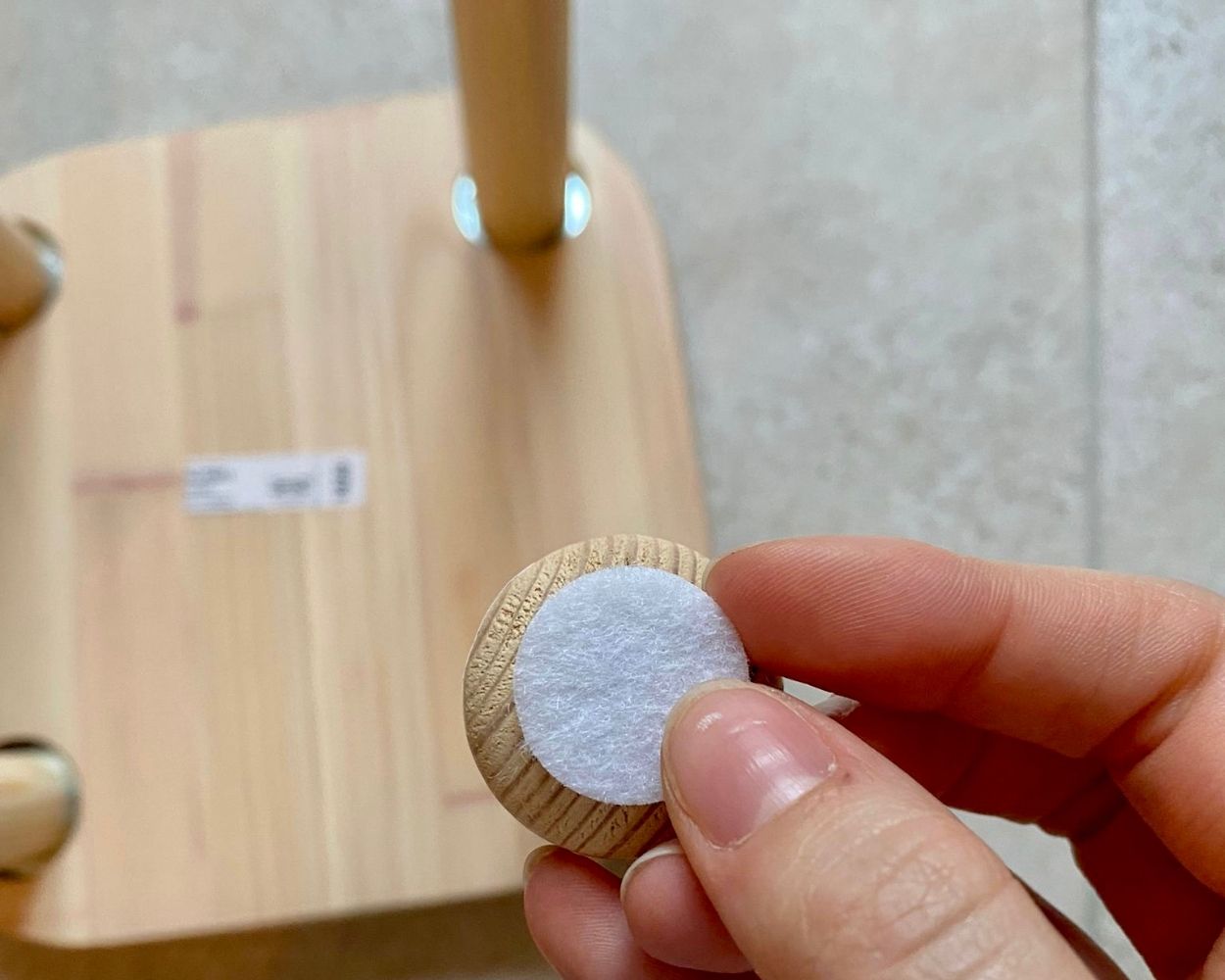
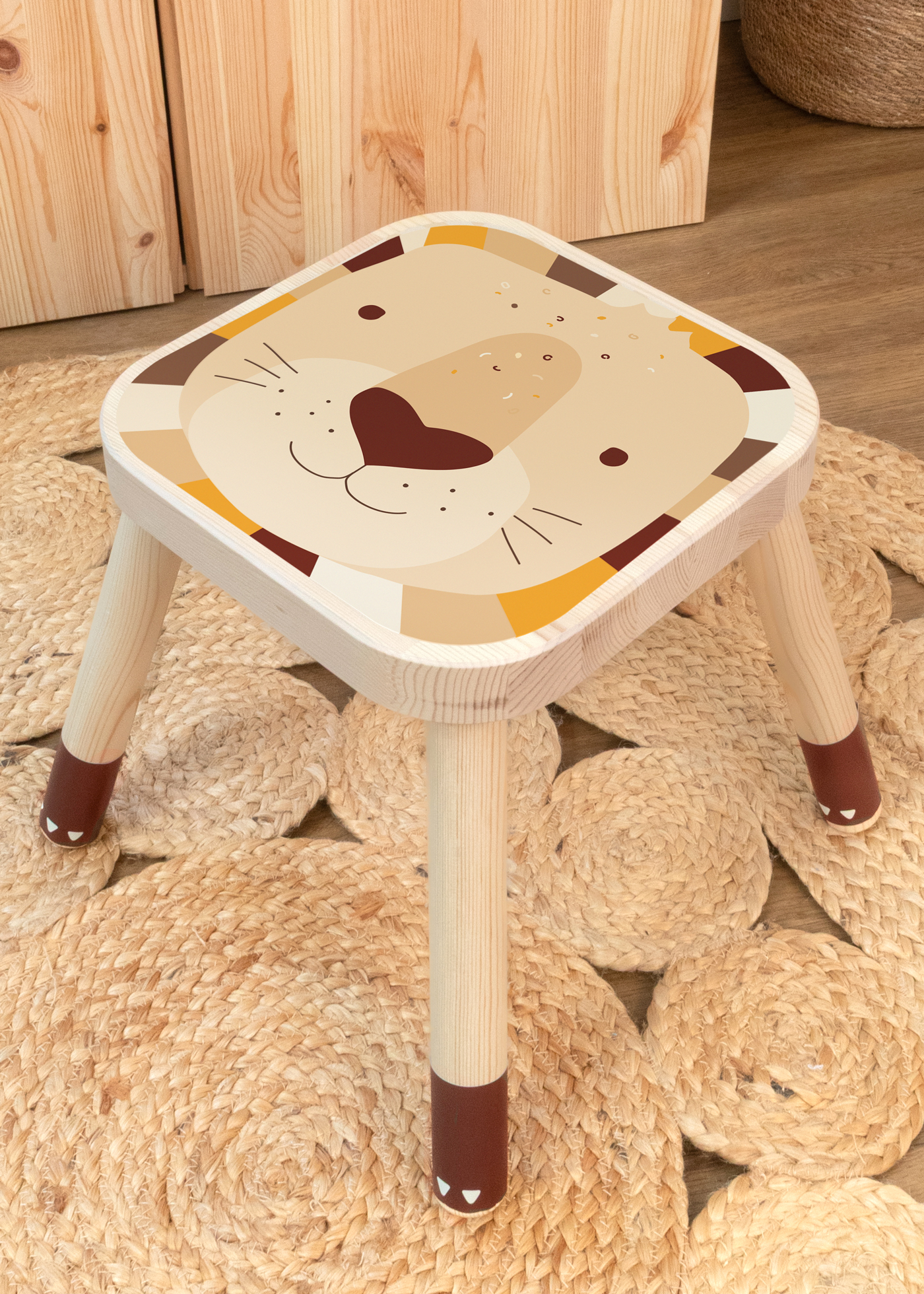
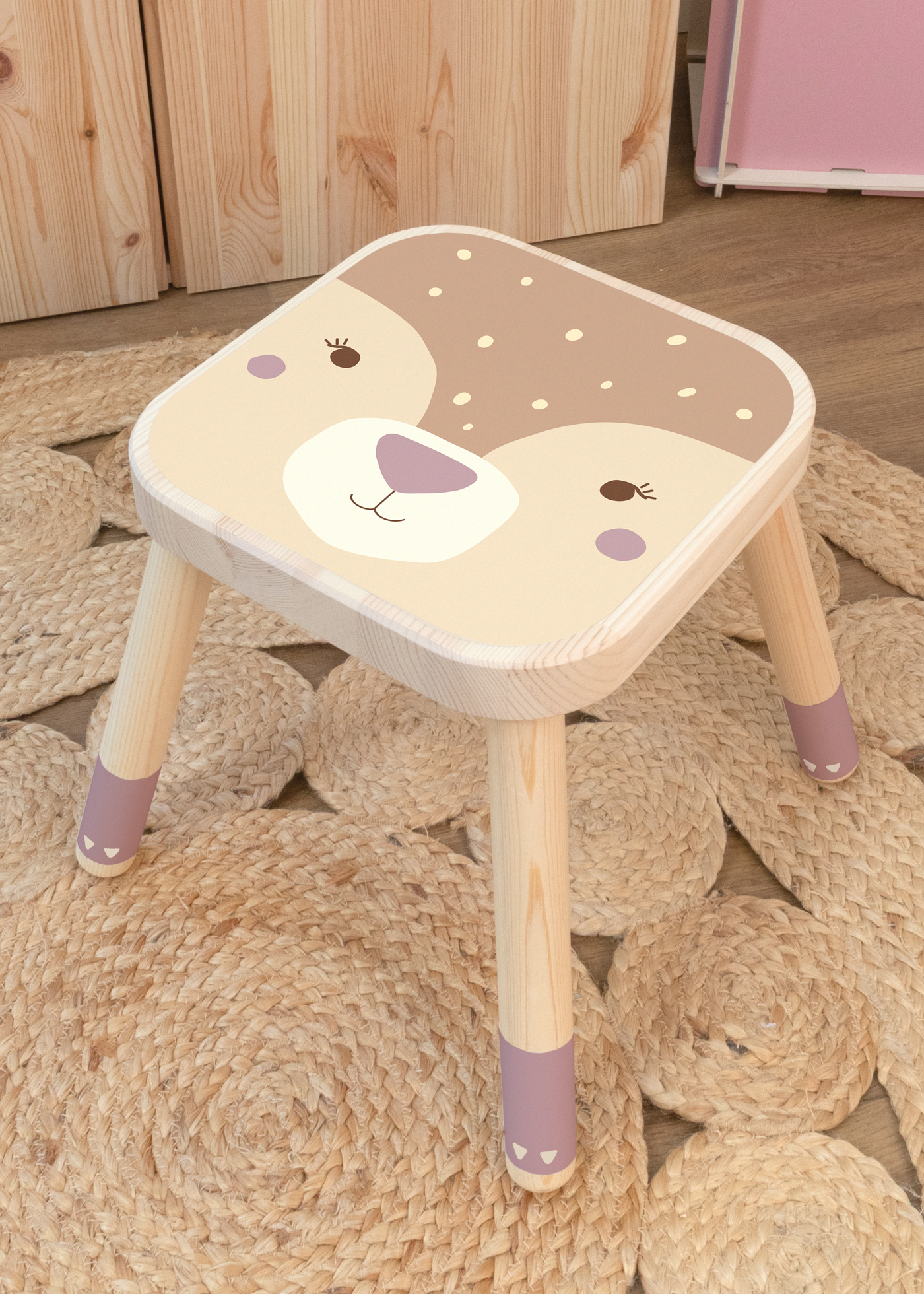
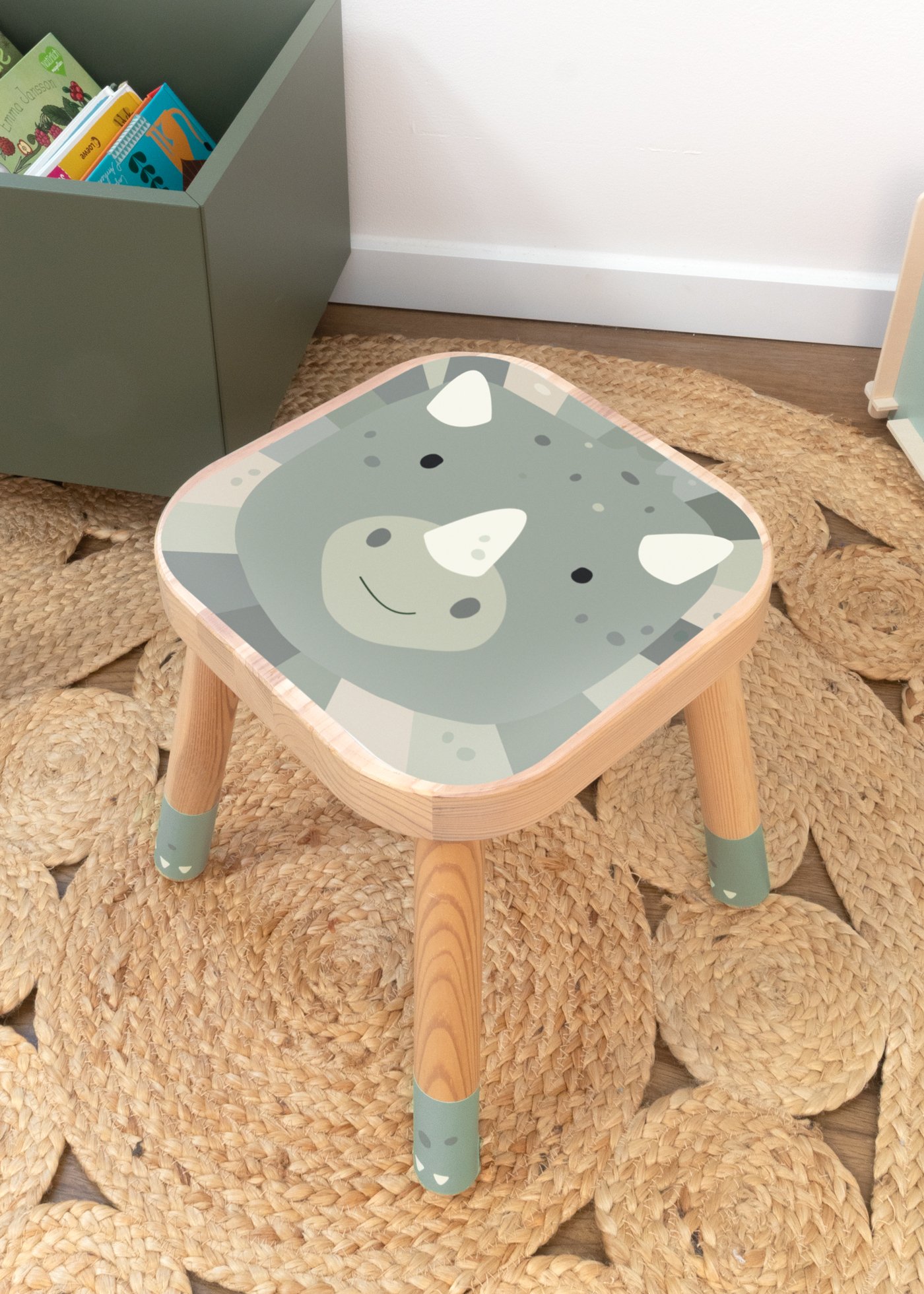
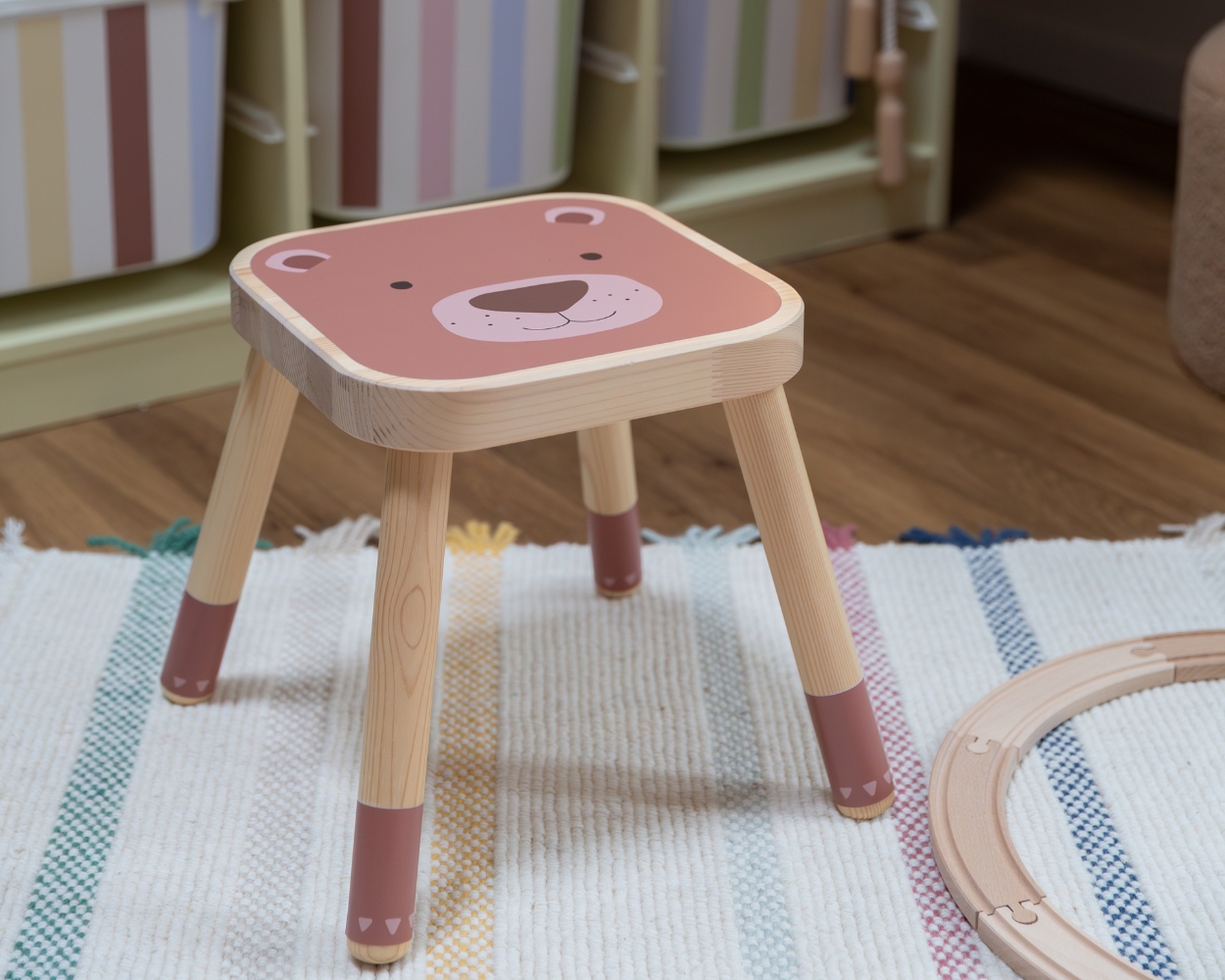
Get creative with the IKEA FLISAT stool
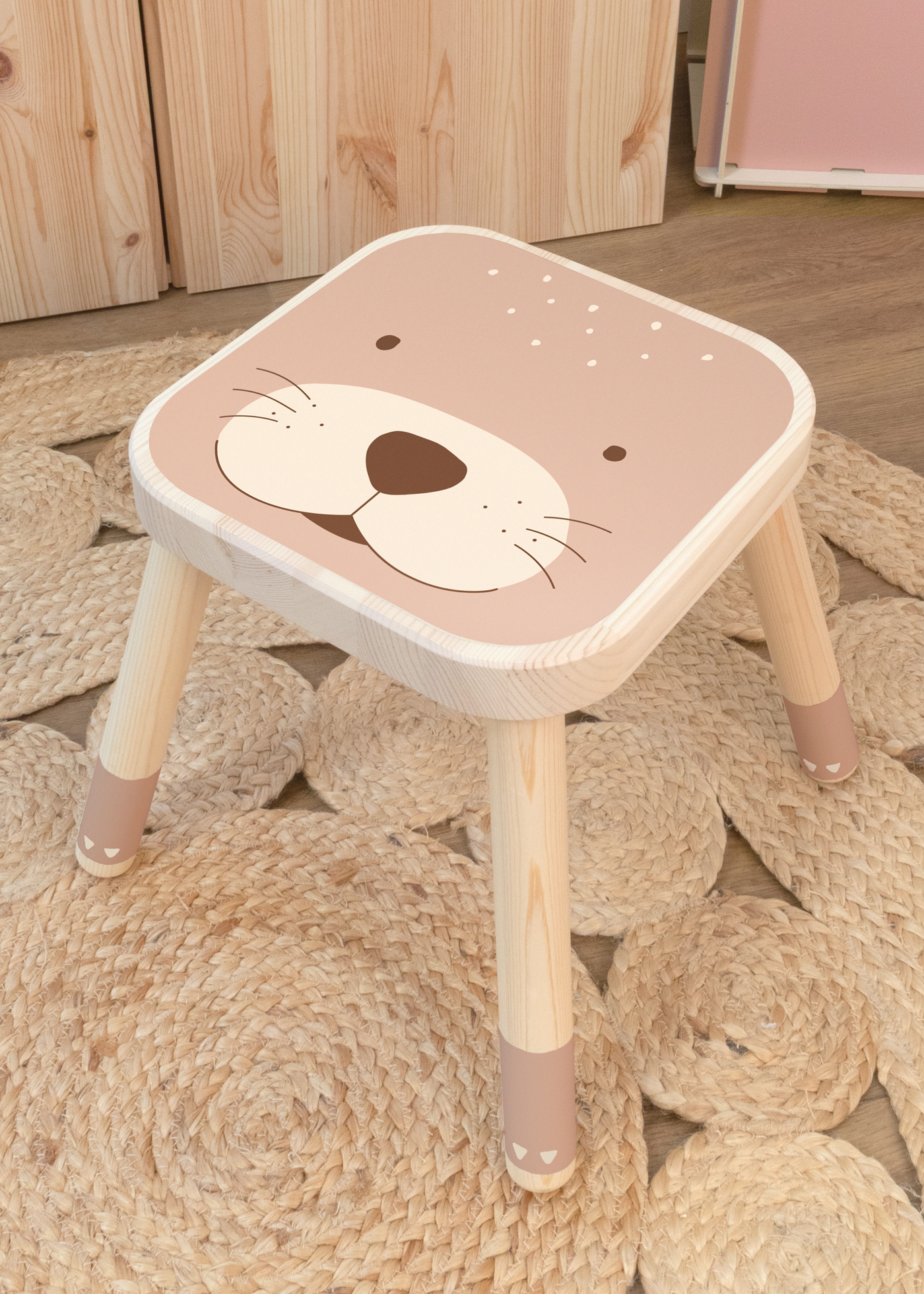
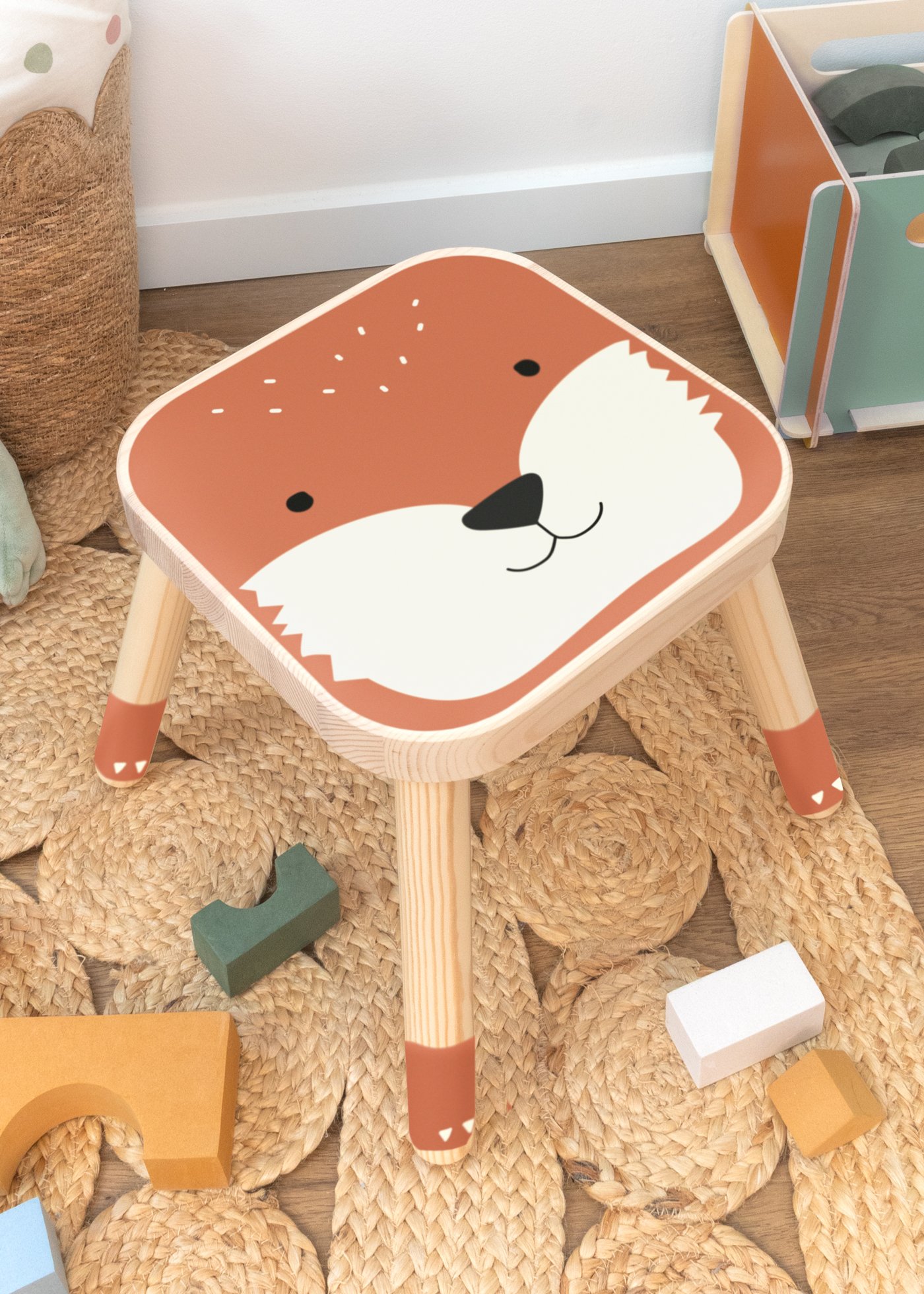
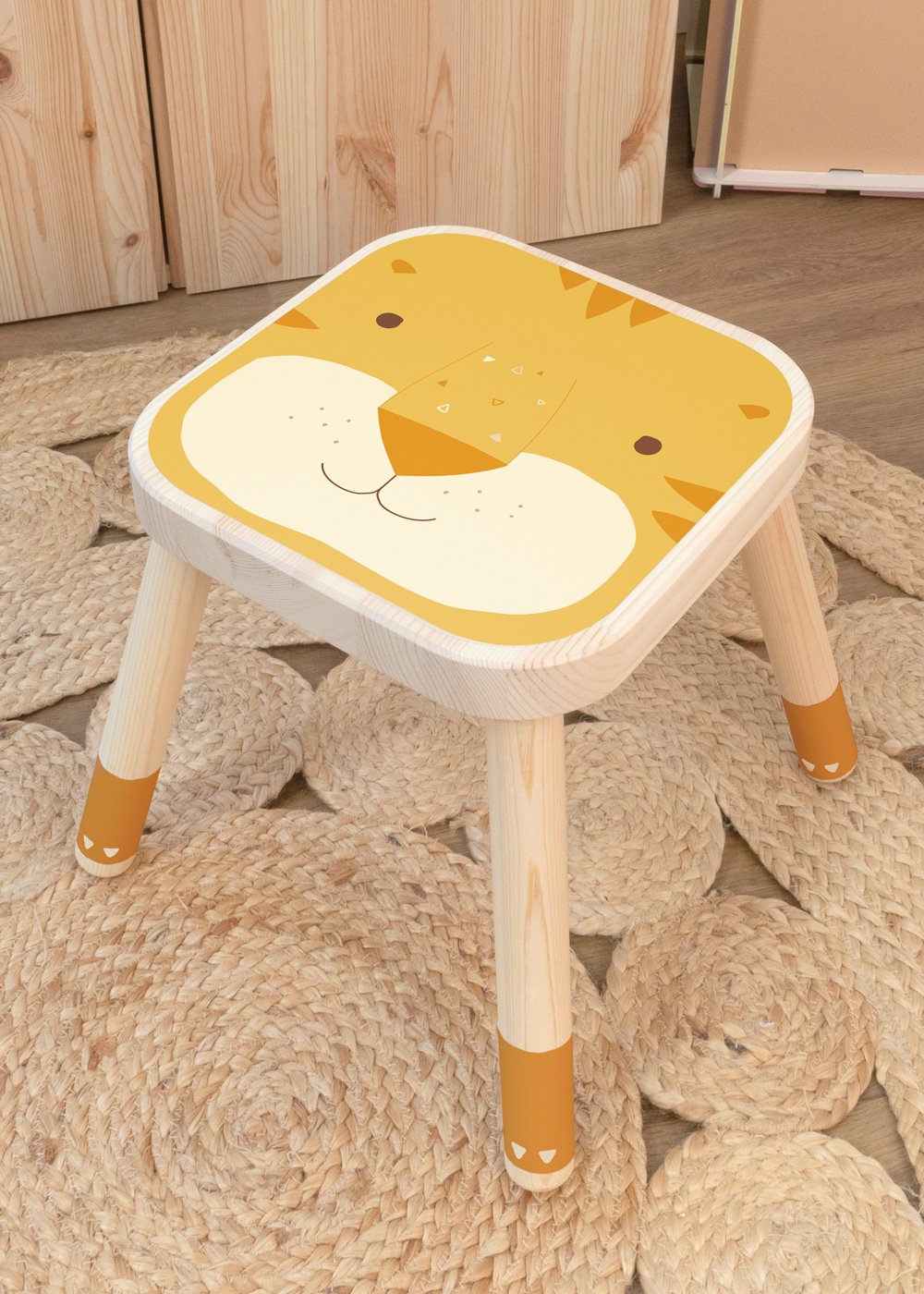

Discover even more inspiration for your baby’s room