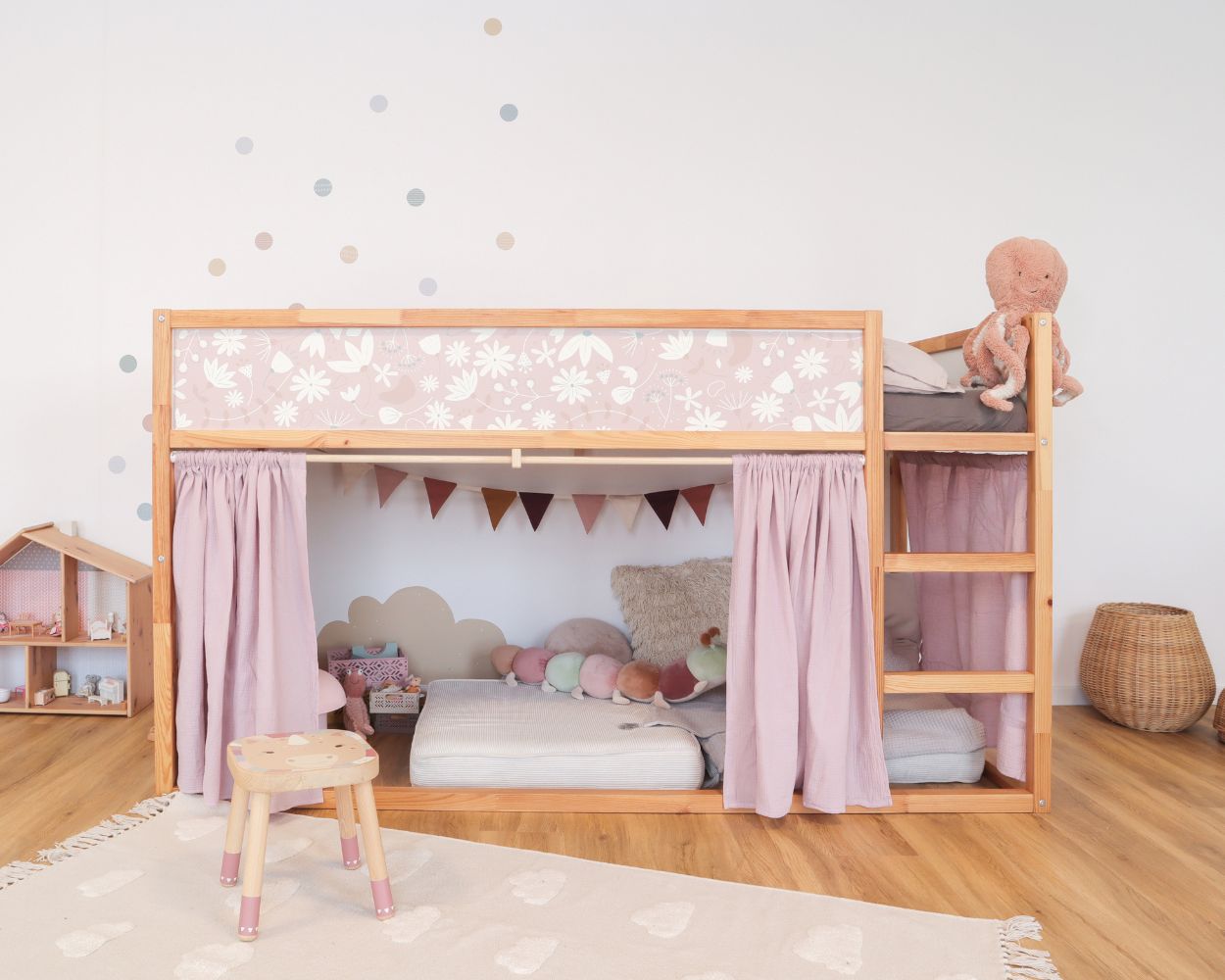
A bed of their own for children: How to make it work
Moving into
their
own
bed is a big step for children and parents alike. Whether it’s the transition from the family bed, the first night in their own bedroom or the move to bunk bed – each stage brings new challenges, but also opportunities for greater independence and a good night’s sleep. In this article, we’ll show you when the right time is to move to their own bed, how to make the transition as smooth as possible, and when a bunk bed is suitable. We’ll also give you tips on mattresses, accessories and safety measures to ensure the change is stress-free and safe.
When is the right time for
your child to have their
own
bed
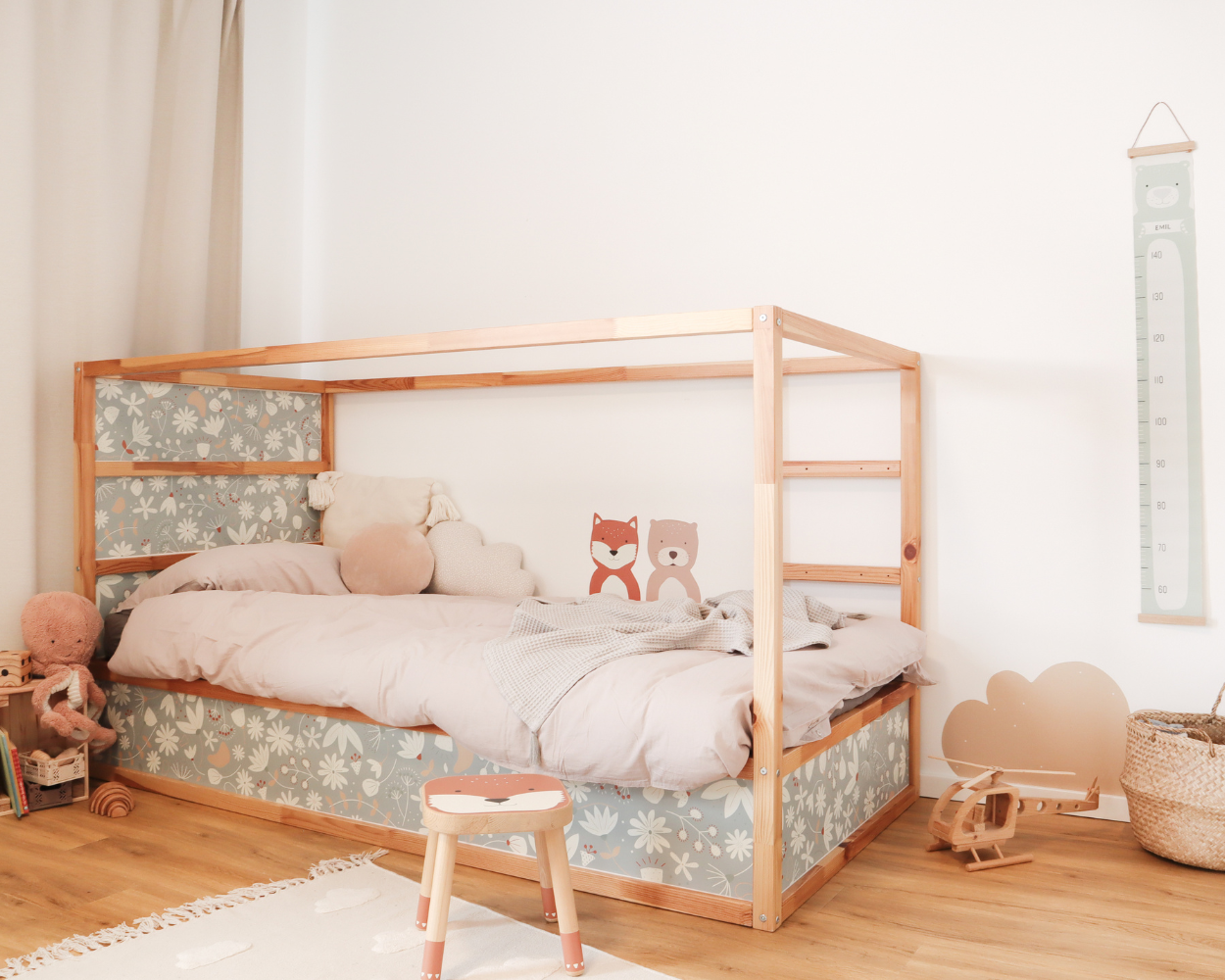
? Theideal time for your child to move into their own bed depends less on their age than on their development and needs. Many children are ready between the ages of 2 and 3, whilst others are ready a little earlier or later. Typical signs: your child sleeps more peacefully, is becoming more independent, seeks comfort less often at night, or is already climbing out of the family bed on their own. Often, little ones develop a need for independence of their own accord or even express a desire for their own bed. It’s important to make the transition gentle and without pressure – this way, your child will feel safe and secure in their new bed.
Tips and tricks for co-sleeping
We’ll show you how best to set up your family bed and what you need to bear in mind so that you can all sleep soundly and safely.
How to make the transition to their own bed – 8 tips
Once you’ve made the decision that your child should sleep in their own bed, it’s best to work through the transition together with them. Explain what’s going to change and ask your little one about their needs and wishes. By following these steps, you can ensure a smooth transition to their own bed without it becoming stressful for either the child or the parents.
- Give plenty of notice : Talk to your child about the upcoming change. This will make them feel taken seriously and prepared.
- Carry over bedtime rituals : Carry over familiar bedtime rituals from the family bed (e.g. reading aloud, cuddling) so that your child feels secure.
- Give them familiar items to take with them: a favourite cuddly toy, blanket or night light will provide a sense of security in their new bed.
- Make the transition gradually: Start with afternoon naps or the odd night in their own bed before making the permanent switch.
- Make it easy for them to feel close to you : Stay with them whilst they’re falling asleep at first, or sit by the bed – this makes the separation easier.
- Involve your child: Let your child choose their own bed linen, pillow or a small decoration. This builds their excitement about having their own bed.
- Use rewards as incentives : Small rewards, such as a sticker for each of the first few nights in their own bed, will encourage your children to be brave and sleep in their own bed.
- Be consistent but allow for exceptions: Stick to the new bedtime routine as consistently as possible so that your child gets used to it. However, exceptions in the event of illness or nightmares are perfectly fine.
When is the right time to switch to a bunk bed?
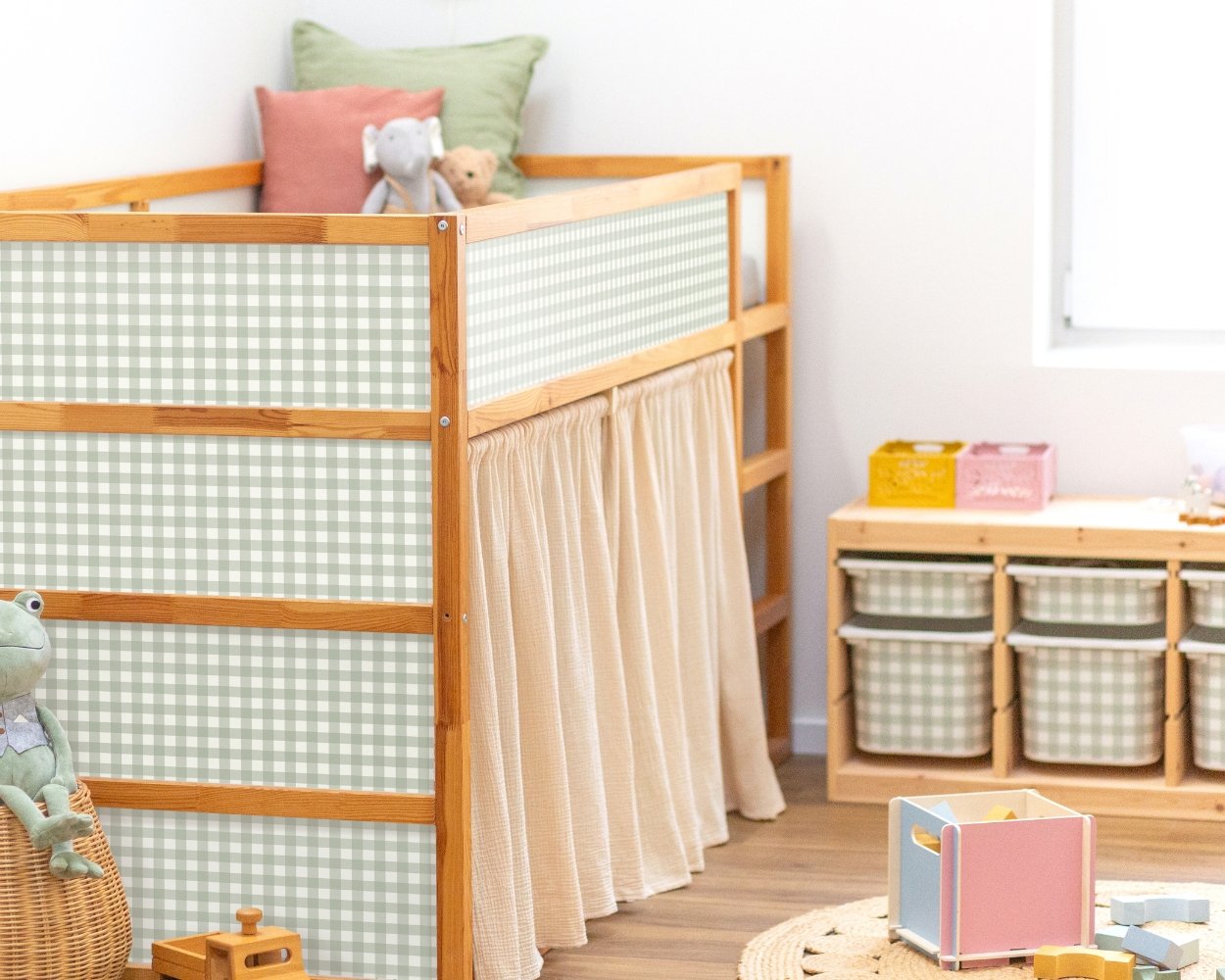
Once their child has moved into their own bed, many parents wonder when a bunk bed is suitable. There is no one-size-fits-all age recommendation – your child’s temperament and stage of development are more important. Younger children are often not yet able to judge distances accurately and react more spontaneously, which increases the risk of falling. Experts therefore generally recommend waiting until children are around 5–6 years old before introducing loft beds. At this age, children have better motor skills, can assess dangers more effectively and enjoy their bunk bed as an exciting yet safe place to sleep. Once your child can climb safely and get out of bed unaided at night, you can start using the bunk bed.
3 tips for sleeping safely in a loft bed
To ensure your child sleeps peacefully and safely in a bunk bed, you can go a long way with a few simple measures:
- Sturdy railing & non-slip ladder : A high, securely fitted railing or fall protection and a safe ladder prevent falls when getting in and out of the bed.
- Sufficient clearance from the ceiling & no sharp edges: This allows your child to move freely whilst sleeping without bumping into anything.
- A clear sleeping area free of toys : Make sure to clearly separate the sleeping area at the top from the play area underneath the bed. Remove any toys or books from the bed – this creates a peaceful sleeping environment.
We’ve got even more tips on safe sleeping. Find out everything you need to know about creating the ideal sleeping environment and safety measures in the child’s bedroom here.

Ideas for the first IKEA KURA bunk bed
When your child is ready for the next step, the IKEA KURA bed offers plenty of design options. With a few simple hacks and accessories, this simple bed can be transformed into a cosy retreat or a real adventure bed. Be inspired by our KURA ideas and design the children’s bed exactly as you wish.
Your guide to peaceful nights in the nursery
Every child is unique – which is why there’s no set time when they should move from the family bed to their own bed or to the bunk bed. With loving support, clear routines and a safe sleeping environment, you’ll create the best conditions for your child to take this step at their own pace. Use rituals, provide a sense of security and take your time: this way, the new bed will quickly become a familiar and cosy place to sleep.
More inspiration for you