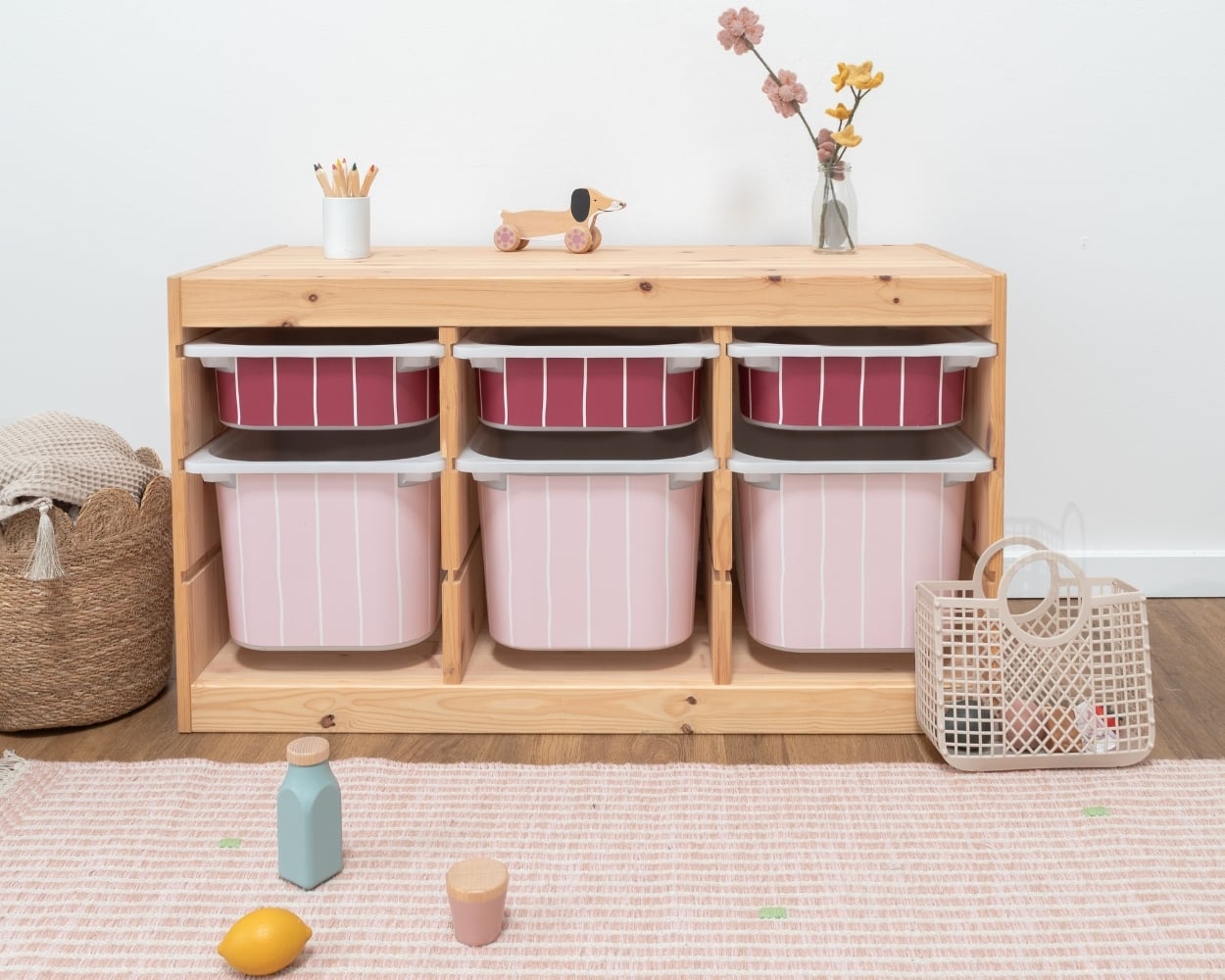
Sleeping safely in the nursery: tips, ideas & solutions
A
goodnight’s sleep means a
safe
night’s sleep – and that’s especially true for little explorers. The nursery is a playground, a place of refuge and a land of dreams all in one. To ensure your child sleeps not only comfortably but also safely there, there are a few things to bear in mind. From safety rails on the bed and non-toxic materials to potential hazards in the room – here you’ll find the most important tips on how to combine safety with a cosy atmosphere.
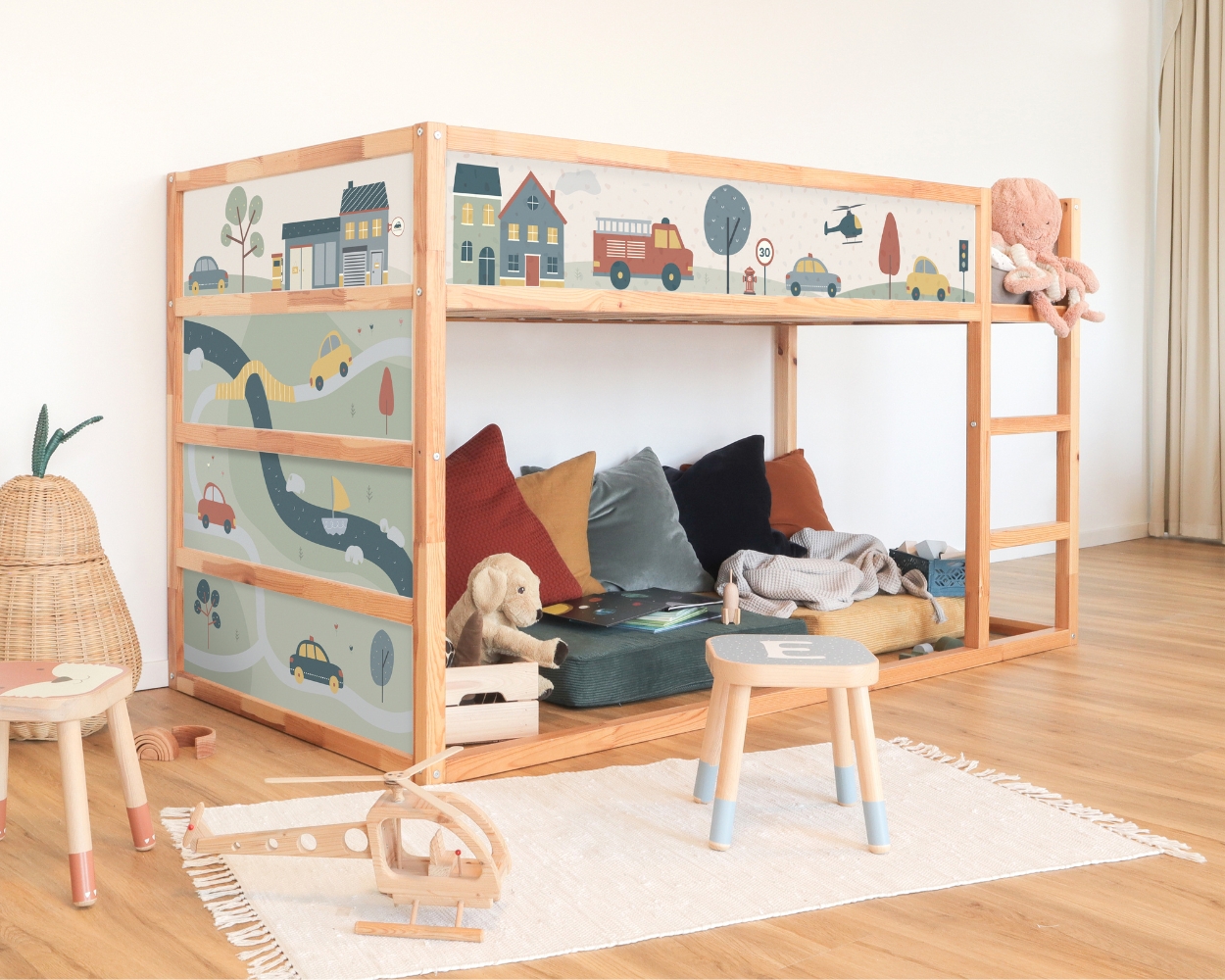
Fall protection for cots
The transition from a cot with bars to a child’s first ‘big’ bed is a big step – for both children and parents. But with this new freedom comes a new challenge: what if my child falls out of bed at night? Securing the edge of the bed is particularly important, especially with mid-height beds such as the IKEA KURA or traditional bunk beds.
Children are often very active in their sleep and are constantly changing position. Whilst this is restricted in a cot by the bars or playpen, this protection is missing in a big bed. Without a safety guard, a child can easily roll to the edge and fall out. A suitable fall protection system helps to significantly reduce this risk and makes the transition to a big bed smoother and safer.
Fall protection and bed rail options
- Classic bed rails : Particularly practical when transitioning from a cot. They can often be fitted flexibly or even folded away.
- Integrated solutions : Custom-fit safety barriers that blend in visually with the bed whilst still being secure. You’ll find this type of protection on the KURA bed, for example.
- : floor-level beds A popular solution, particularly for younger children – if there is no risk of falling, there’s no need for a safety guard.
Materials for a good night’s sleep: toxin-free children’s bed linen
A restful night’s sleep depends not only on the right bed, but also on the right bedding. The choice of materials plays a particularly important role in a child’s bedroom.
Here’s what you should look out for:
- Breathability : Fabrics that allow air to circulate prevent heat build-up and ensure your child doesn’t sweat.
- Moisture regulation: Materials that absorb and release moisture create a dry sleeping environment.
- Seasonal adaptability : In winter, bed linen should provide cosy warmth; in summer, it should have a cooling effect.
- Soft to the touch : Opt for gentle fabrics such as cotton or linen.
- Easy to care for : Little accidents are bound to happen – so covers that are easy to wash are particularly practical.
- Mattress protectors : A mattress protector safeguards your mattresses against minor accidents and is therefore essential in a child’s bedroom. At IKEA, you’ll find mattress protectors in various sizes and materials.
- Paints and varnishes : We’ll show you which paints and varnishes are safe for use in a child’s bedroom and how you can easily paint furniture.
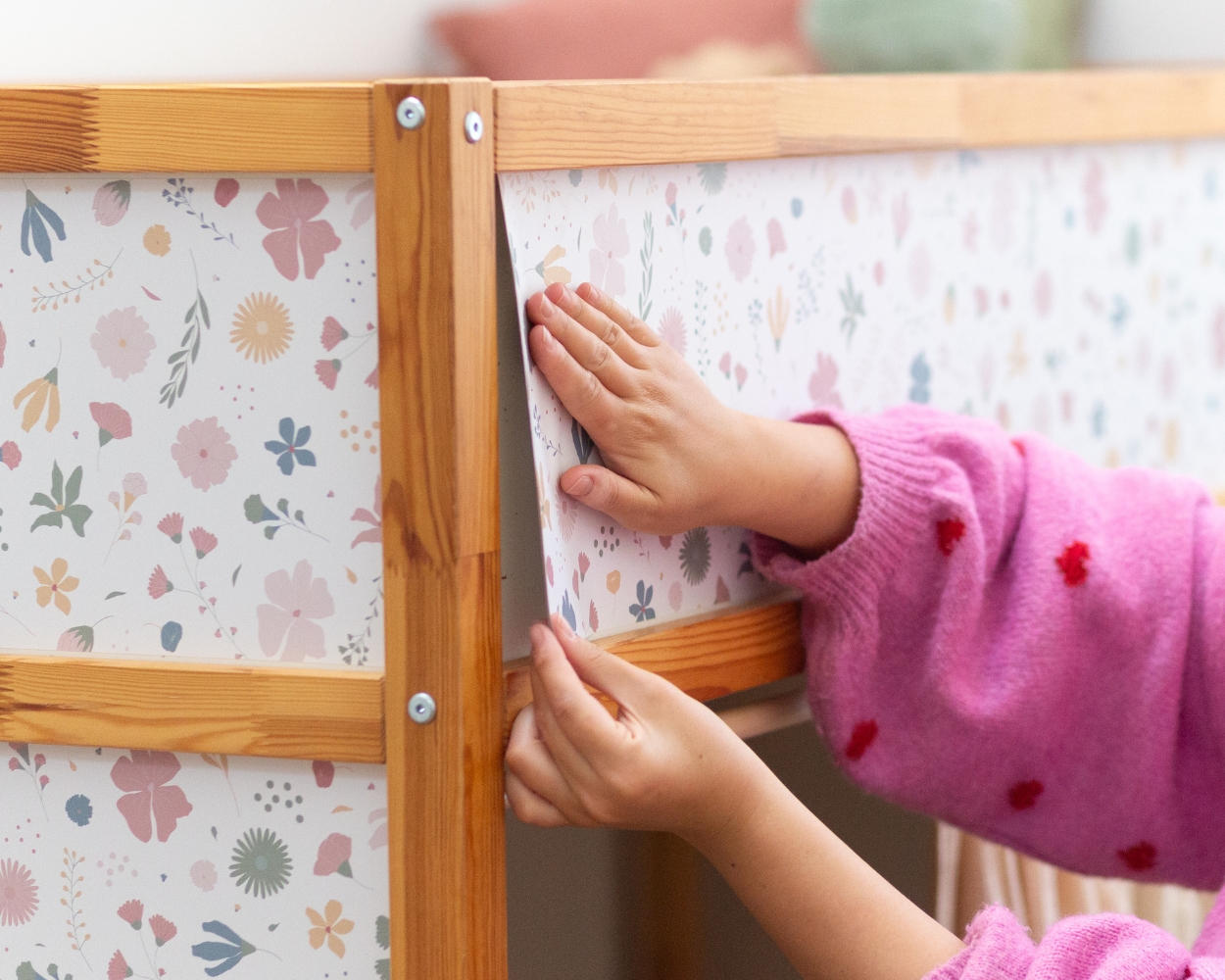
💡 Our safe adhesive films for the KURA bed
Our adhesive films for walls and furniture, such as the IKEA KURA bed, are CE-certified, washable and removable – ensuring the children’s bedroom remains safe, hygienic and versatile. Manufactured in Germany using eco-friendly latex printing, they help ensure that children can play without a care in the world.
KURA muslin curtains: Soft, airy and child-friendly
Curtains made from natural fabrics are the perfect match for breathable bed linen. Our pure cotton muslin curtains feel pleasantly light and are designed to fit the IKEA KURA bed perfectly. This way, you can create a cosy snuggle or sleep corner under the bunk bed.
Avoiding hazards in the child’s bedroom
A child’s bedroom should be a safe haven even at night – especially if your child sleeps alone or gets up during the night, you should ensure the room is safe. Loose cables, small decorative items or furniture with sharp edges can quickly become a hazard if your child is playing or running about whilst half-asleep.
So make sure to cover electrical sockets with child-proof covers, store small items out of reach and secure tall pieces of furniture, such as shelves, firmly to the wall. Curtains, roller blinds and fairy lights should also be securely fastened and not form any ‘ loops’ that children could get caught in. This way, you’ll minimise tripping hazards, the risk of injury and scary moments – and create a sleeping environment where your child can dream peacefully and without worry.
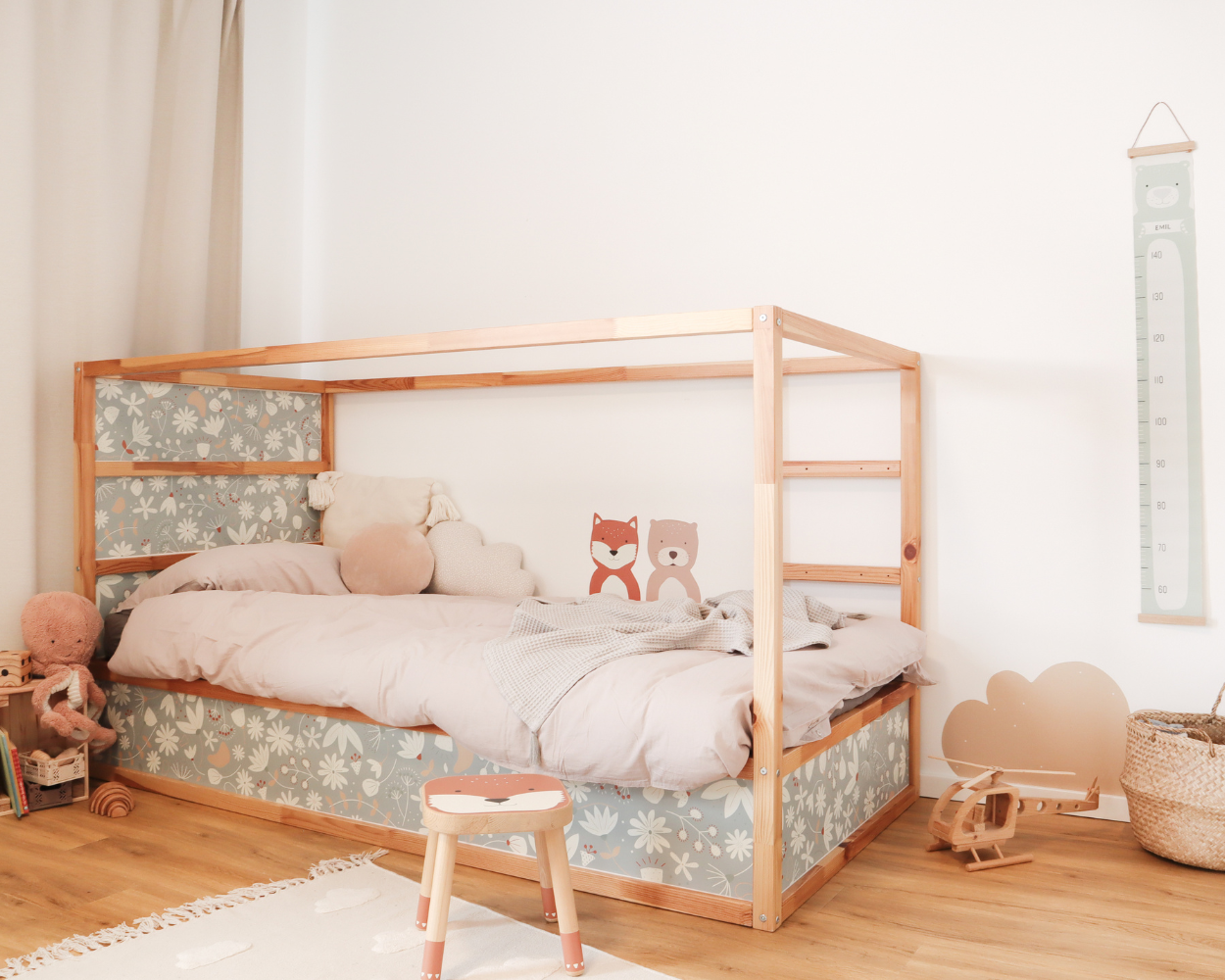
FAQs – Frequently asked questions about safe sleeping
When does my child need a safety rail?
As soon as your child moves from a cot to a junior bed or a ‘ bunk bed’. This is usually around 2–3 years old. At this age, little ones are particularly active and move around a lot in their sleep.
Is a ‘ bunk bed’ safe for toddlers?
bunk bed s are not recommended for children under 6 years old. A good alternative is the IKEA KURA bed, which can be used flexibly as a floor bed or a mid-high bed as soon as your child is old enough.
How can I stop my child from falling out of bed?
Young children move around a lot in their sleep, which is why a safety rail for their bed is particularly important. You can easily fit these yourself. If you feel the risk is still too great, your child can sleep in a floor-level bed to begin with.
What are the best materials for children’s beds?
Natural materials such as real wood or toxin-free fabrics are the safest. They ensure a healthy indoor environment and minimise the risk of allergies. It’s best to choose materials that are robust and easy to clean.
Why does a night light help with safety?
A soft night light helps your child find their way around better at night. It prevents them from tripping when they get up, takes away their fear of the dark and makes it easier for you, as a parent, to check on the room without waking your child.
More inspiration for you