
How to
furnish a
child’s bedroom properly: 7 tips for organisation & fun
How do you furnish a child’s bedroom properly so that it’s practical, tidy and child-friendly? A well-designed child’s bedroom creates plenty of open space for playing, offers clever storage solutions and, at the same time, encourages creativity and development. Many parents wonder how all this can be put into practice in everyday life – this is exactly where our 7 simple and practical tips come in.
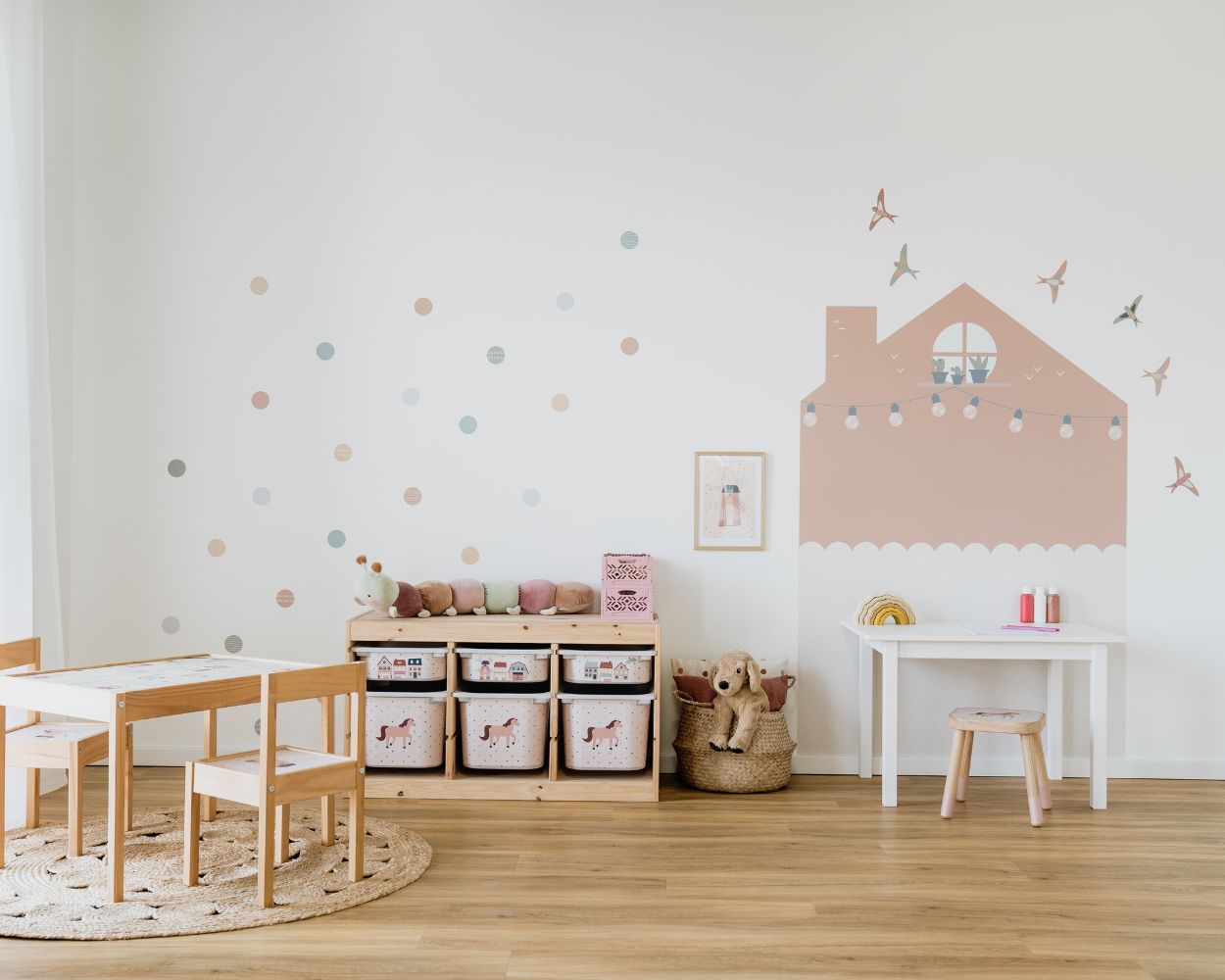
Tip 1: Open space for creative freedom
How do you go about furnishing a child’s bedroom so that it’s practical, tidy and child-friendly? A well-designed child’s bedroom creates plenty of open space for playing, offers clever storage solutions and, at the same time, encourages creativity as well as motor and cognitive development. Many parents wonder how all this can be put into practice in everyday life – this is exactly where our 7 simple, practical tips come in.
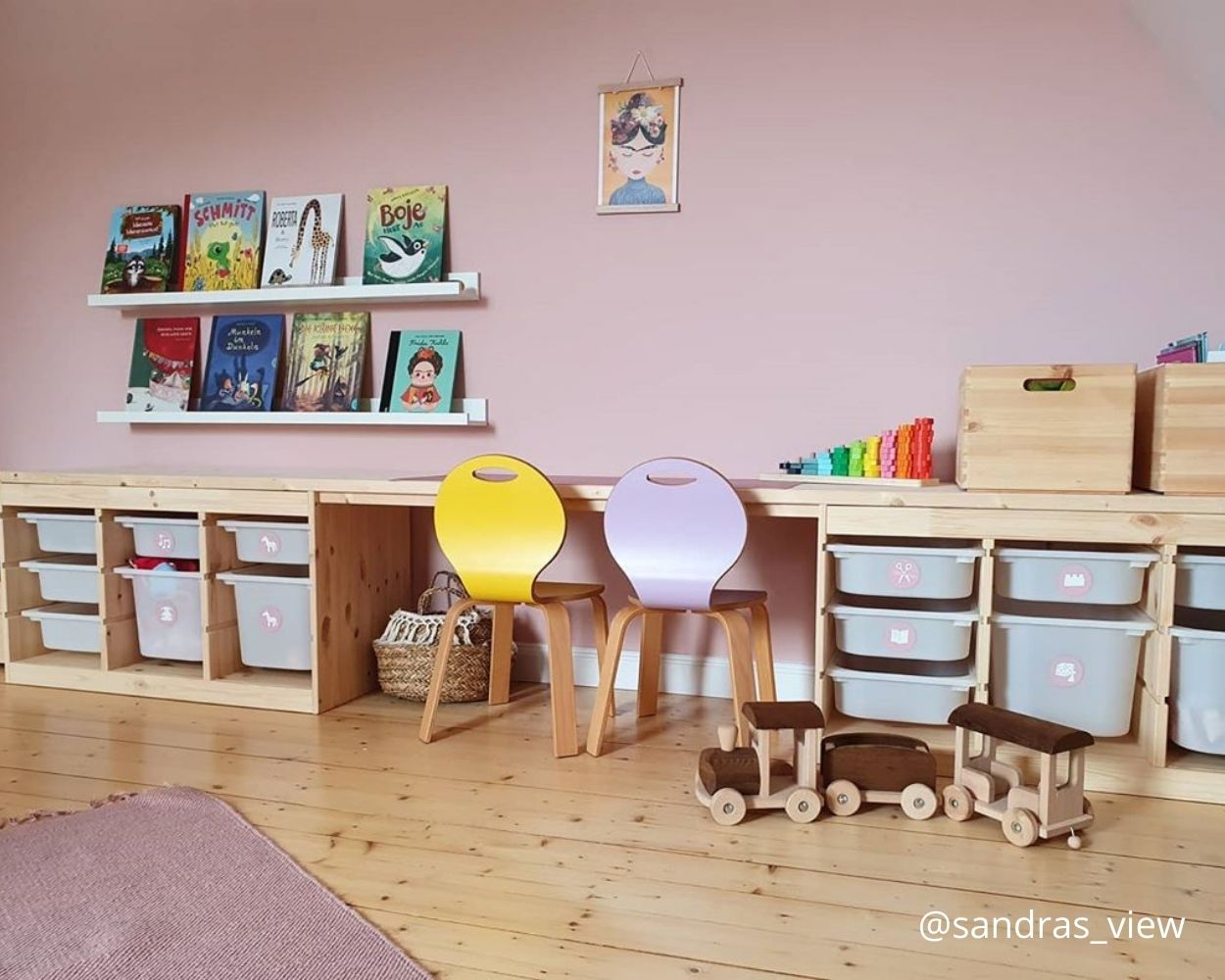
Tip 2: We need plenty of storage space!
To ensure there’s enough open space in the children’s room, well-designed storage is essential. A particularly clever idea: the TROFAST shelving unit from IKEA. It saves space and creates organisation in everyday life. Here, Sandra uses a combination of IKEA TROFAST and a desk, creating storage space for all her craft materials straight away.
To make the storage space child’s play to use, our ‘ order stickers’ come into play: clear symbols show which toy goes in which box. This encourages independence and helps even the youngest children to join in with tidying up in a playful way.


Tip 3: A children’s table encourages creativity
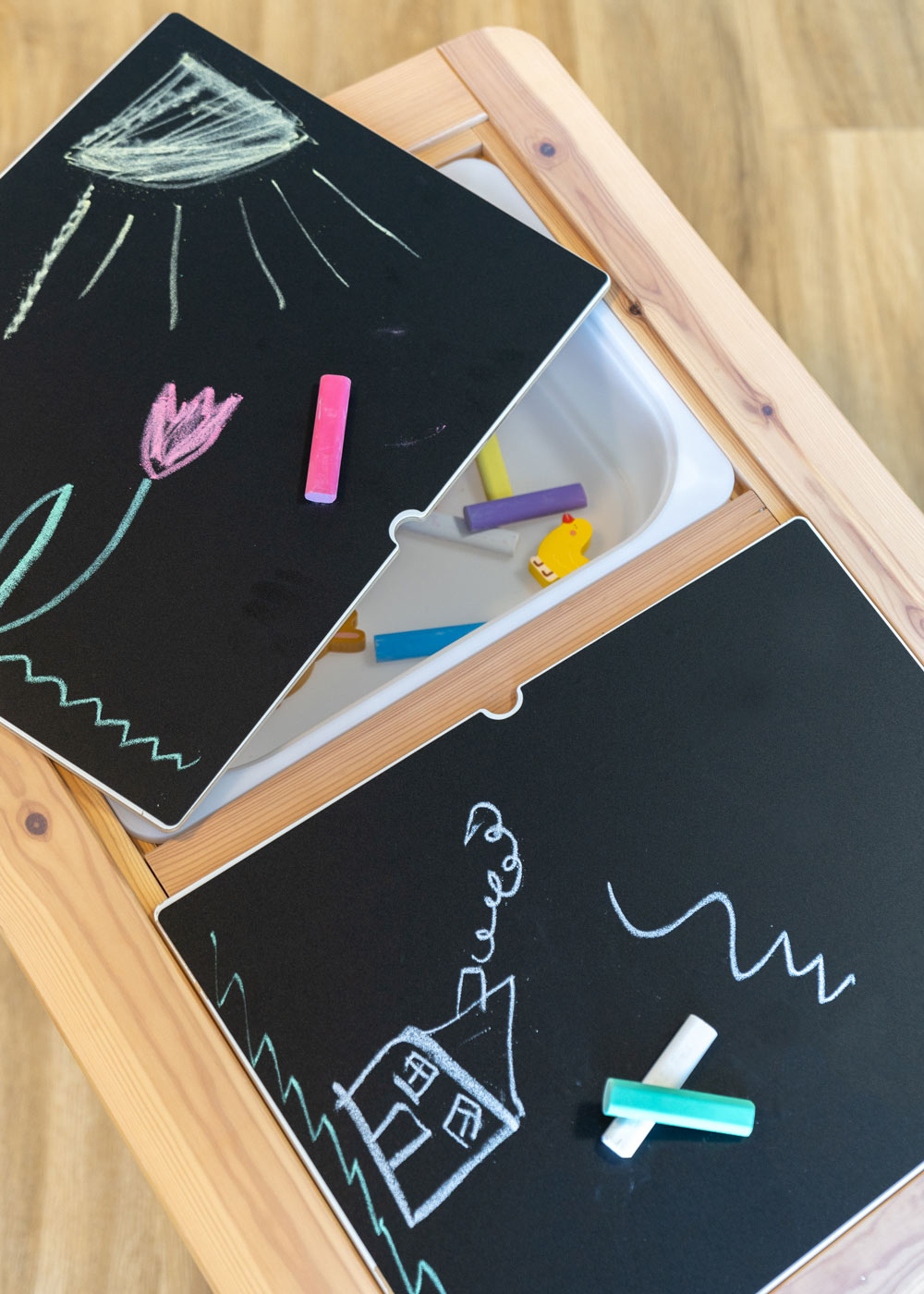
Crafts and painting can be done at the dining table too – but a child-friendly play table makes creative moments much easier and more independent. With a multifunctional table and our Limmaland play table sheets, it transforms into a versatile play and learning area in no time at all. In addition, a chalkboard sheet provides space for spontaneous ideas and little works of art. This creates a flexible, everyday creative space that encourages your child to explore independently.
Tip 4: Retreat! A hideaway for little adventurers
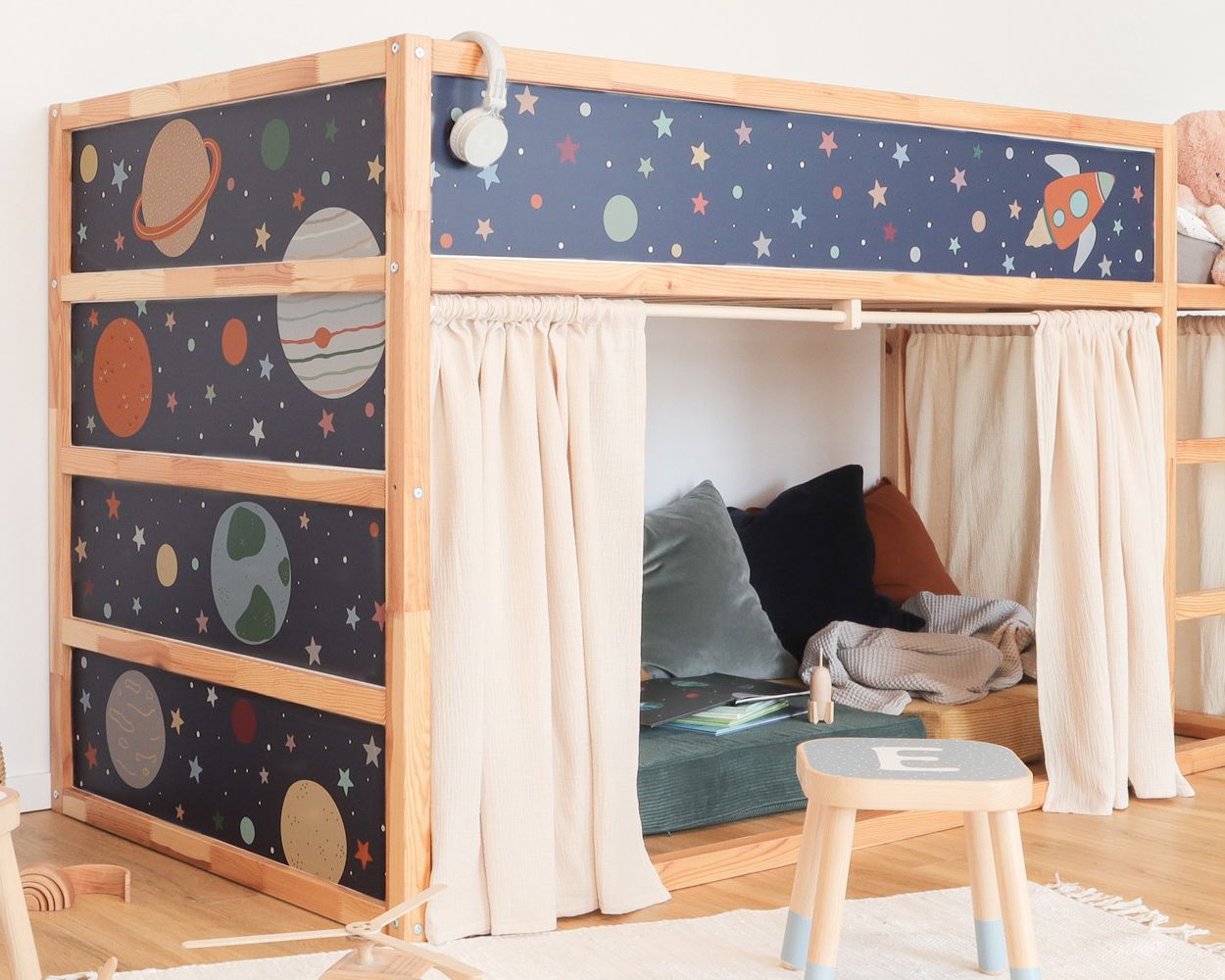
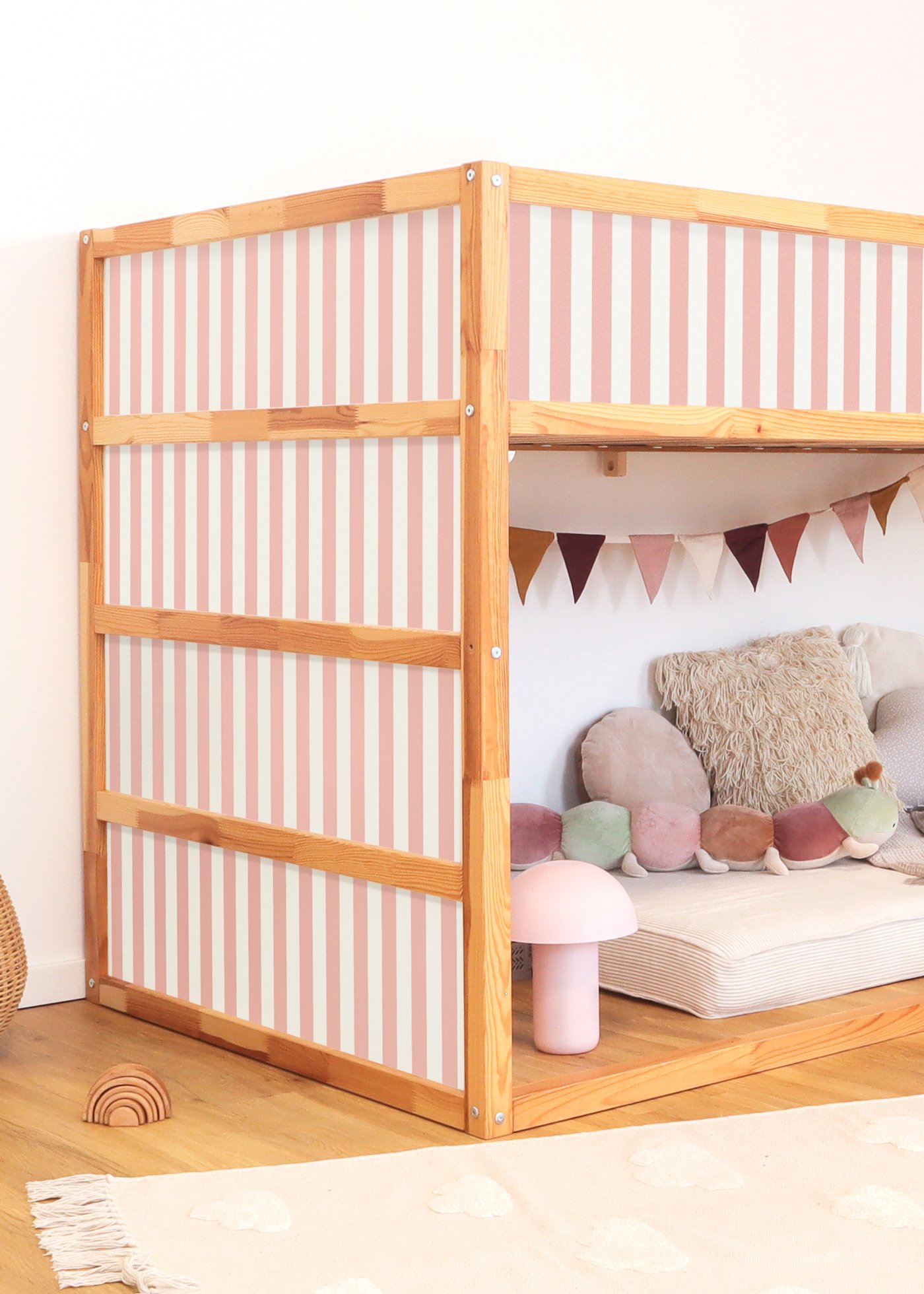
‘Come on, let’s build a den!’ Do you remember that too? For generations, building a little cave has been one of the most popular children’s games of all. It’s a place to hide, be invisible and make yourself comfortable. With our curtains for the KURA bunk bed, you can conjure up a hideaway in just a few minutes.


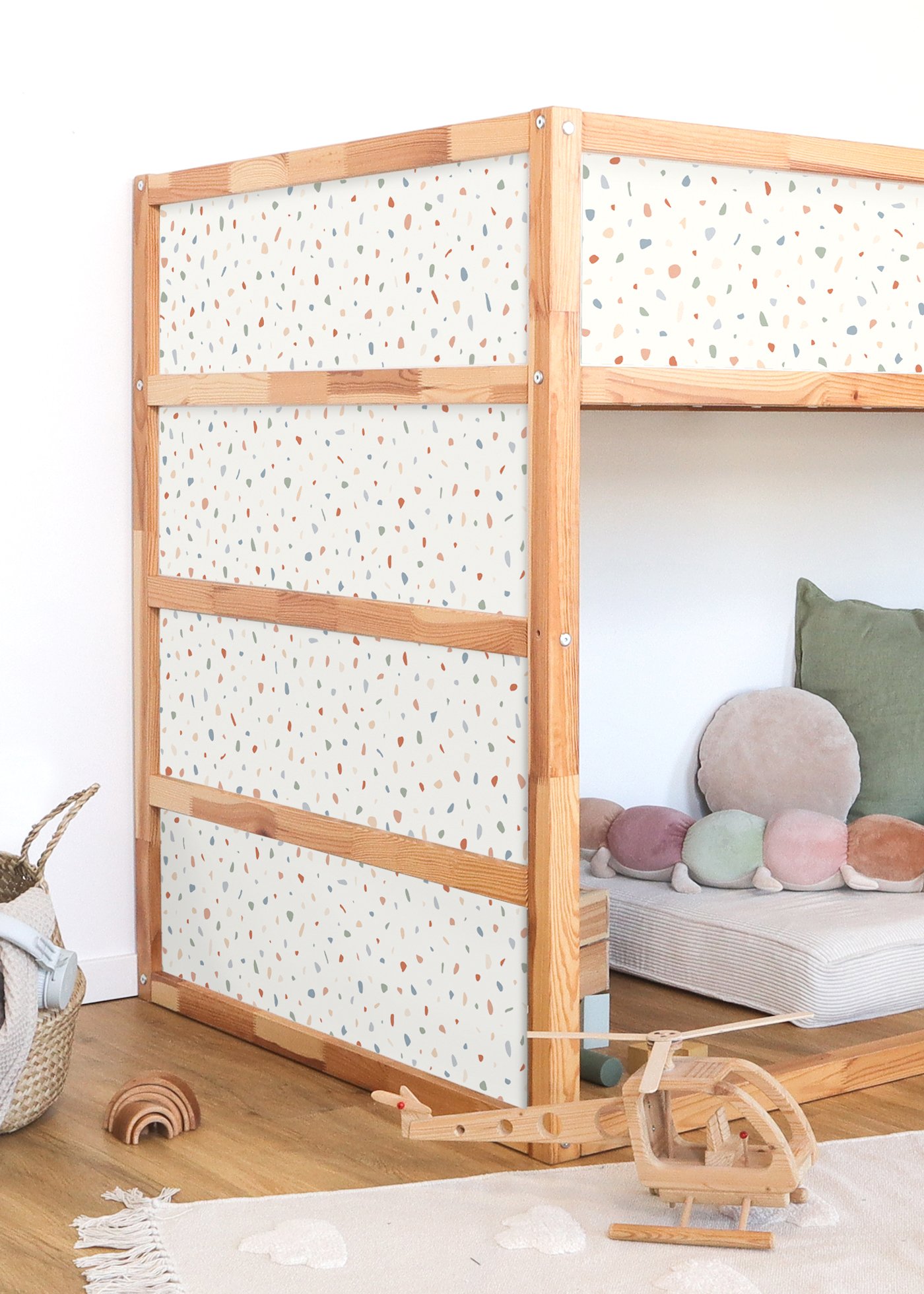
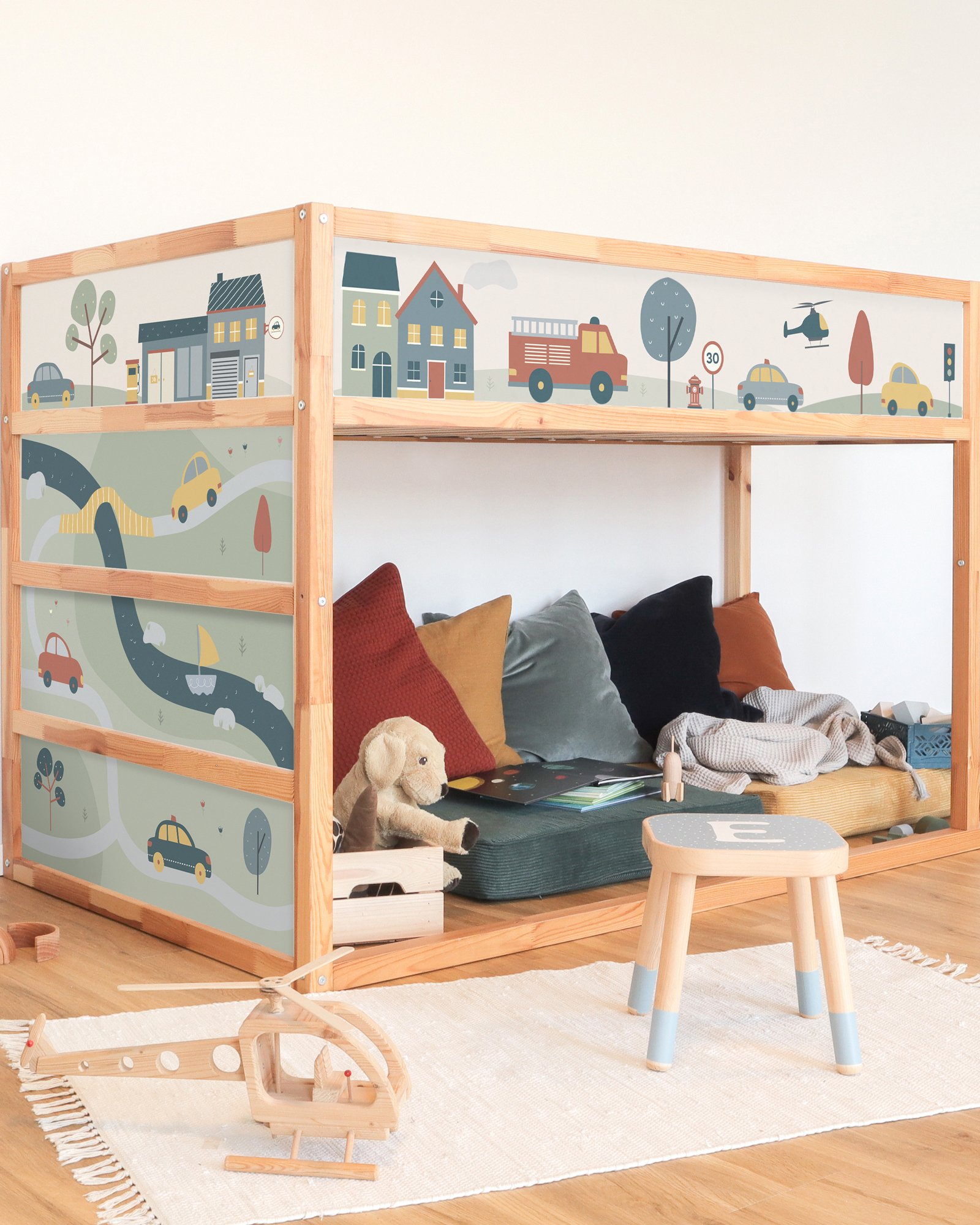
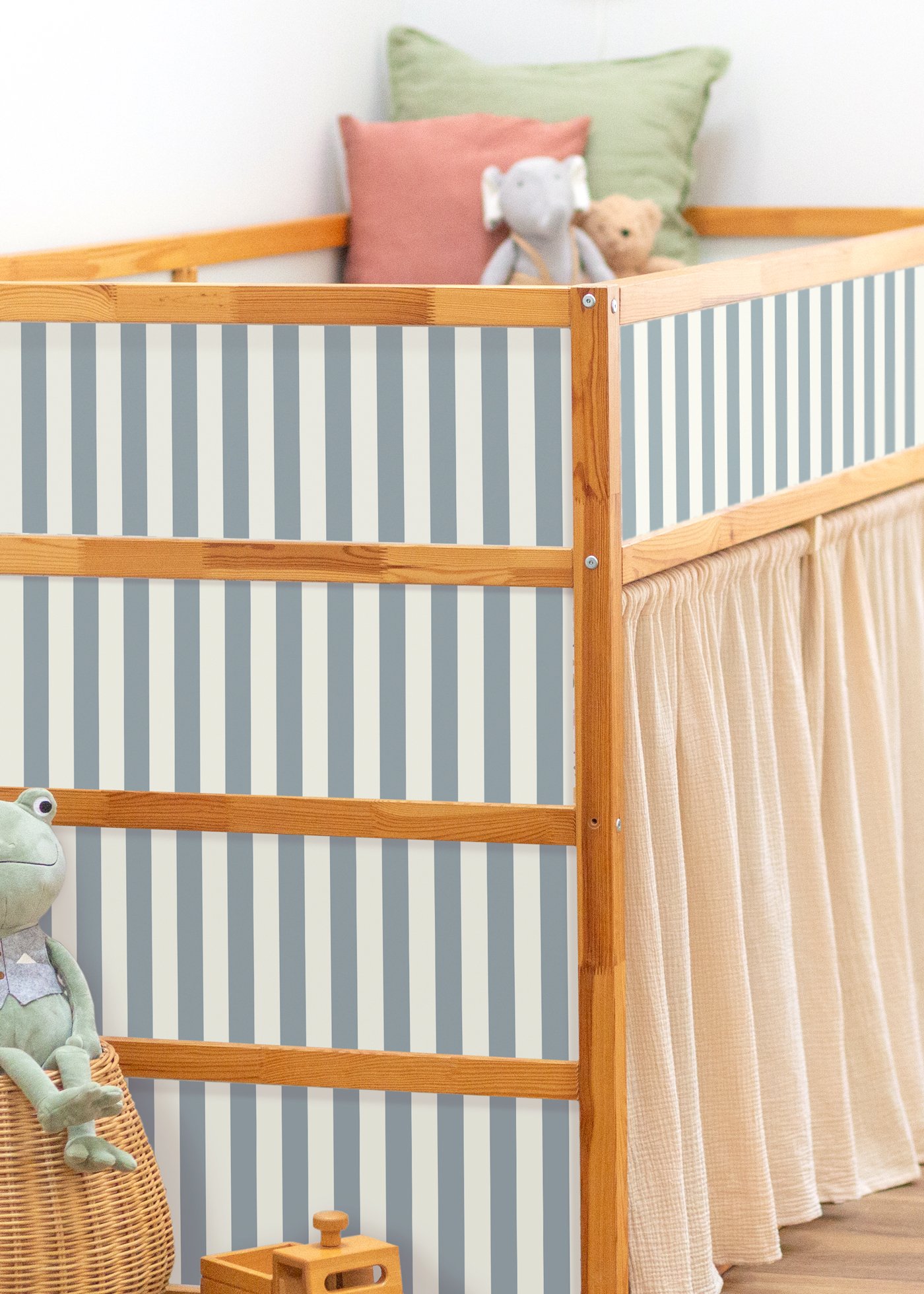
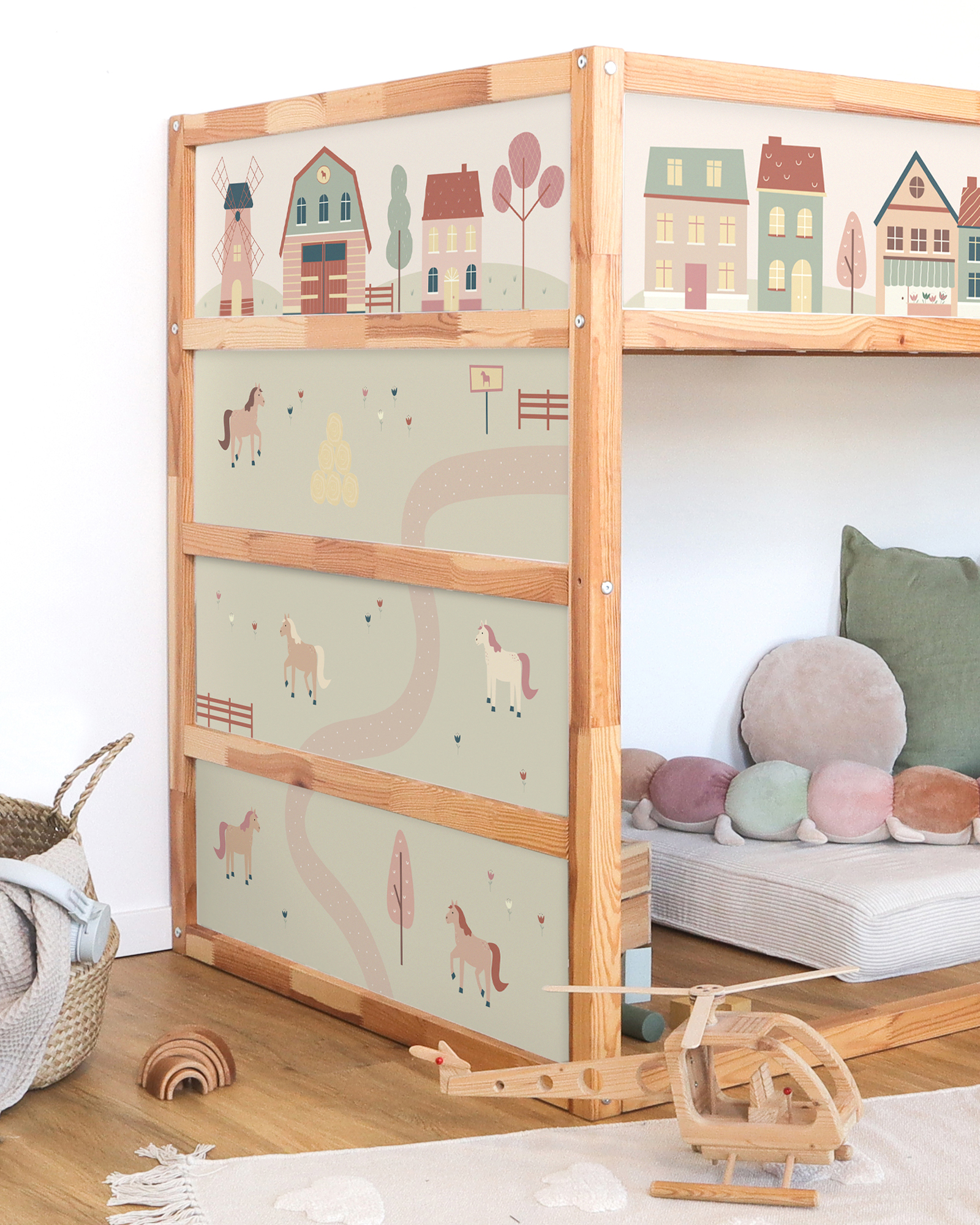



Tip 5: Bright colours have a cheerful effect
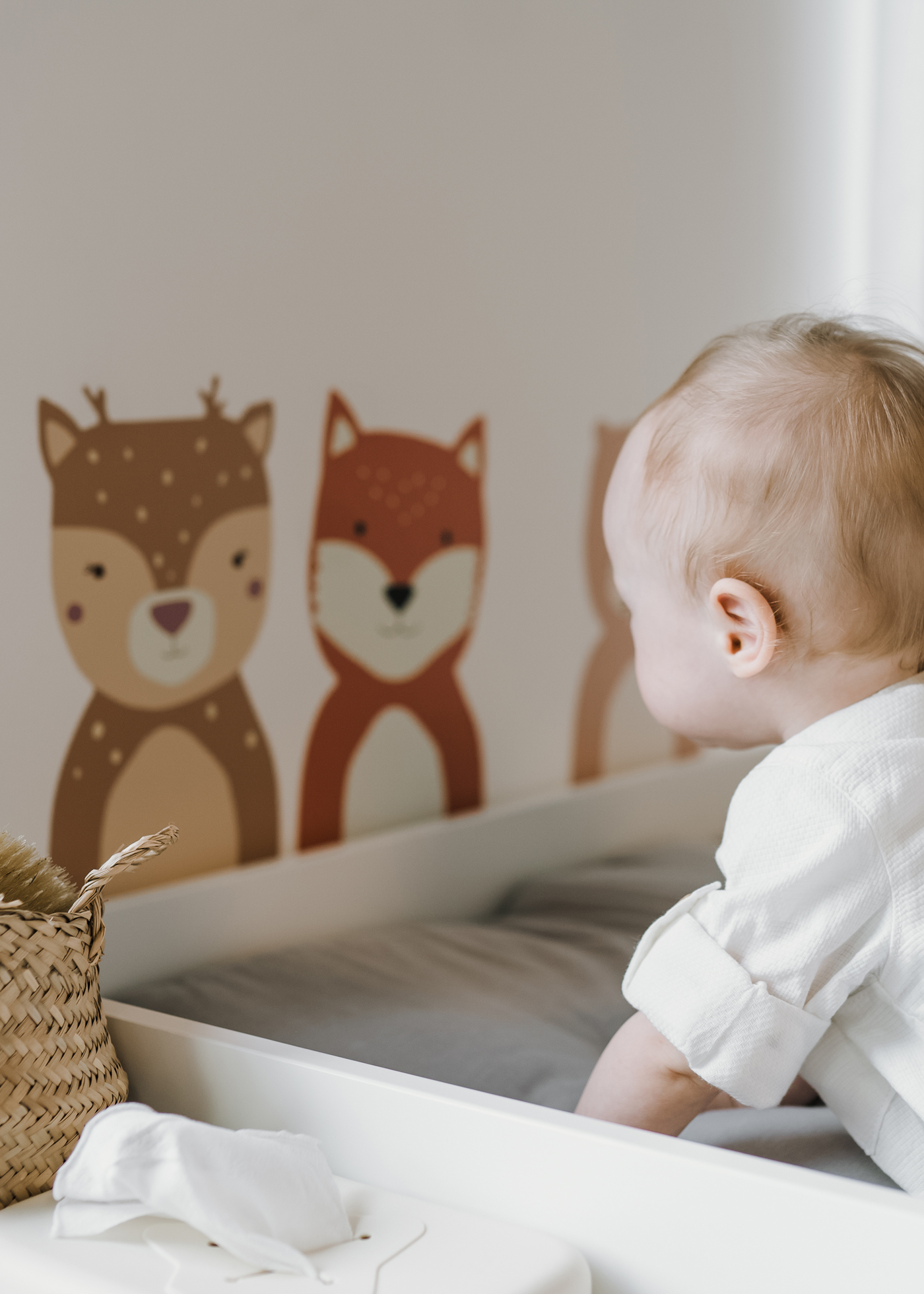
Even though many adults tend to keep their décor colours subdued and opt for a minimalist style, children love a splash of colour! Especially when they’re still little. And that’s a good thing, because colours not only encourage creative play but also influence our mood. Wall stickers from LIMMALAND are a particularly easy way to add a splash of colour to a child’s bedroom. You can customise them to suit your child’s room perfectly and remove them at any time without leaving any residue.
Tip 6: Keep books within easy reach – for children too
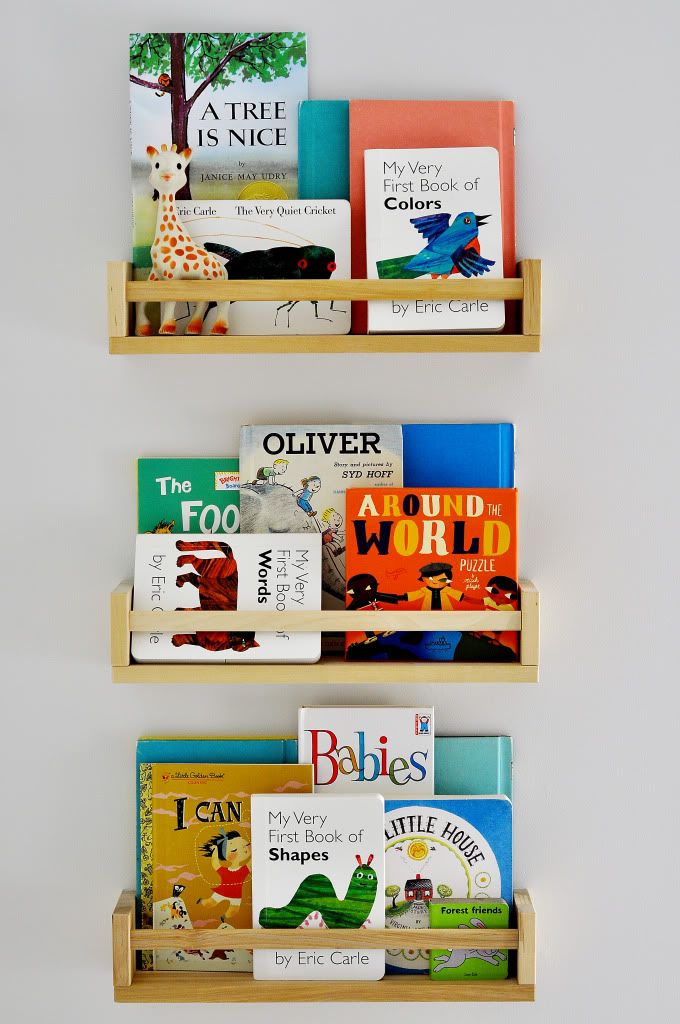
It’s so frustrating… You want to have a look at your favourite book, but you just can’t reach it. And trying to climb up there on your own can actually be quite dangerous. So it makes much more sense to keep children’s books within easy reach of those little bookworms. Incidentally, the BEKVÄM spice rack from IKEA makes a wonderful bookshelf for children. That way, their favourite stories are always in plain sight – yet can’t fall out.
Image source: @melissasabra
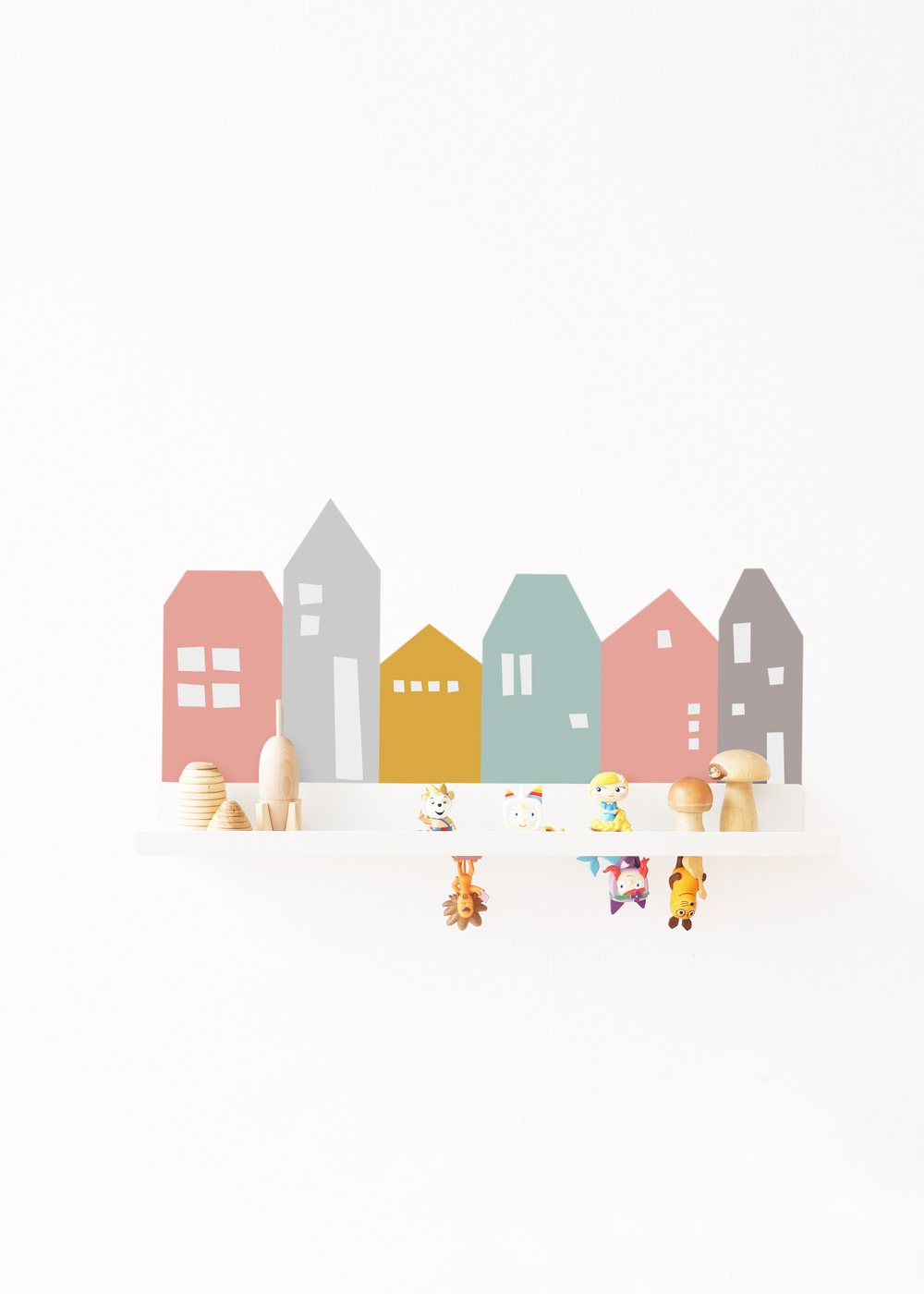
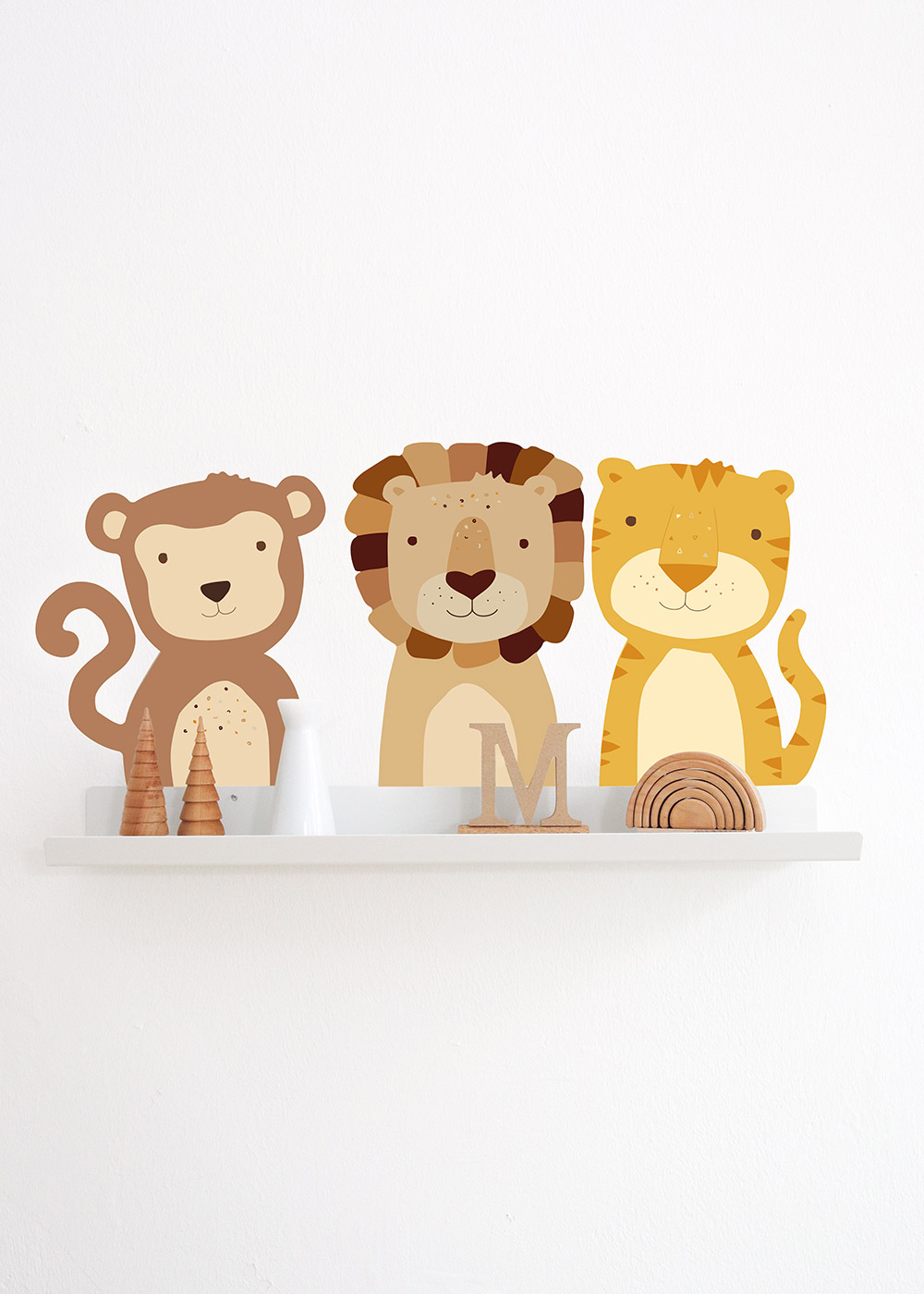
Another great idea for a homemade children’s bookcase is an IKEA ‘ picture ledge’ combined with the matching wall sticker from Limmaland. This way, you can create both decoration and storage space at the same time.
Tip 7: Montessori in the nursery
‘Help me to do it myself’ – the fundamental principle of Montessori education encourages independence right from the nursery. Putting this into practice is simple: divide the room into distinct areas such as a playing surface, a reading or cosy corner and a creative zone. This creates structured, educationally valuable learning environments. Different colours or elements help to visually separate the zones.
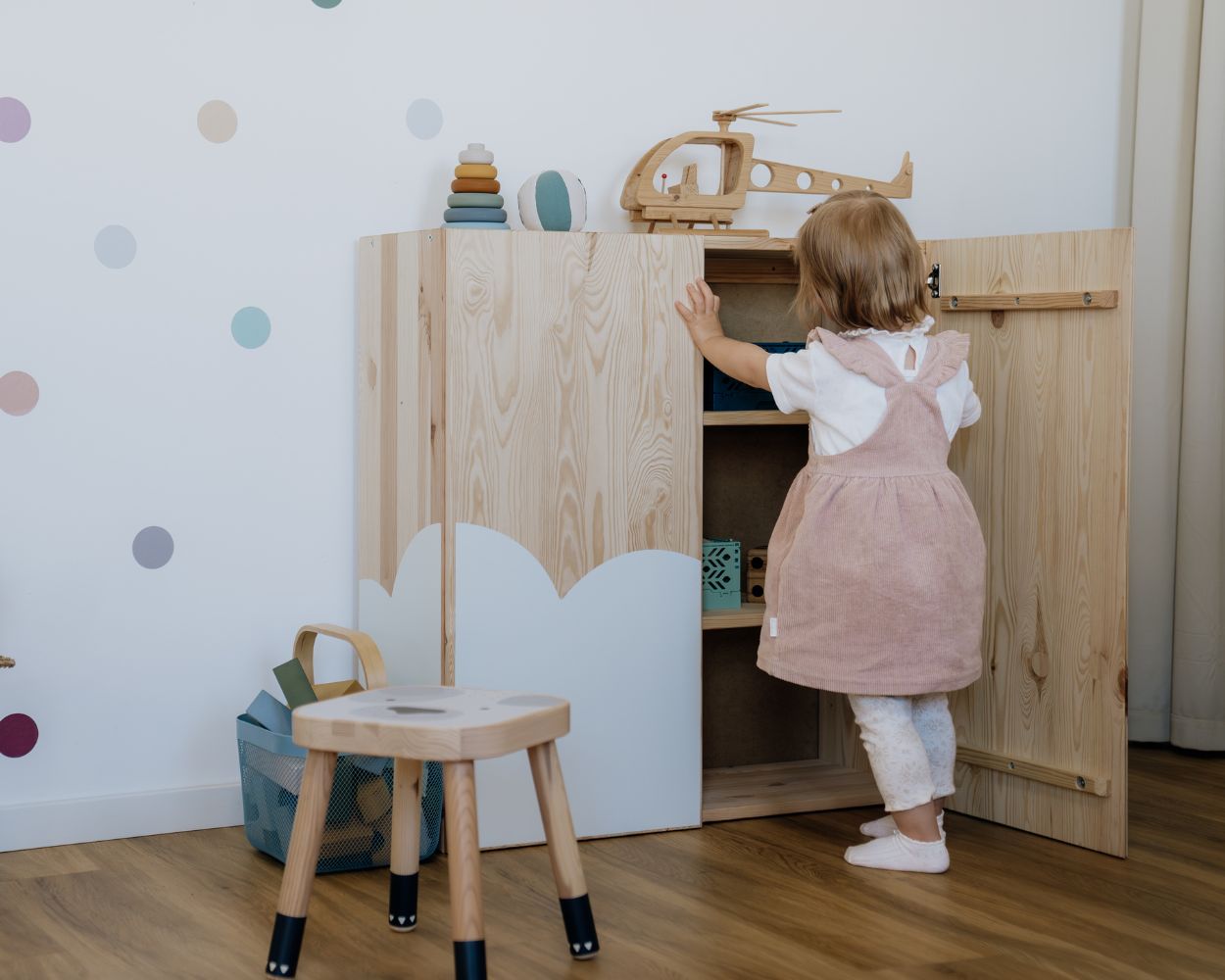
You can also encourage your little ones’ independence by providing ‘ storage’ at child height. Low cupboards and storage boxes make it easier for children to tidy up and keep themselves occupied.