Eating with a toddler at the table: The 5 best tips for a relaxed mealtime at highchair
Mealtimes with a baby or toddler are often anything but relaxed – but with the right tools and routines, they can become a real highlight of the day. We’ll show you the best tips for more structure, comfort and organisation at the family table.
1. The right highchair for your needs
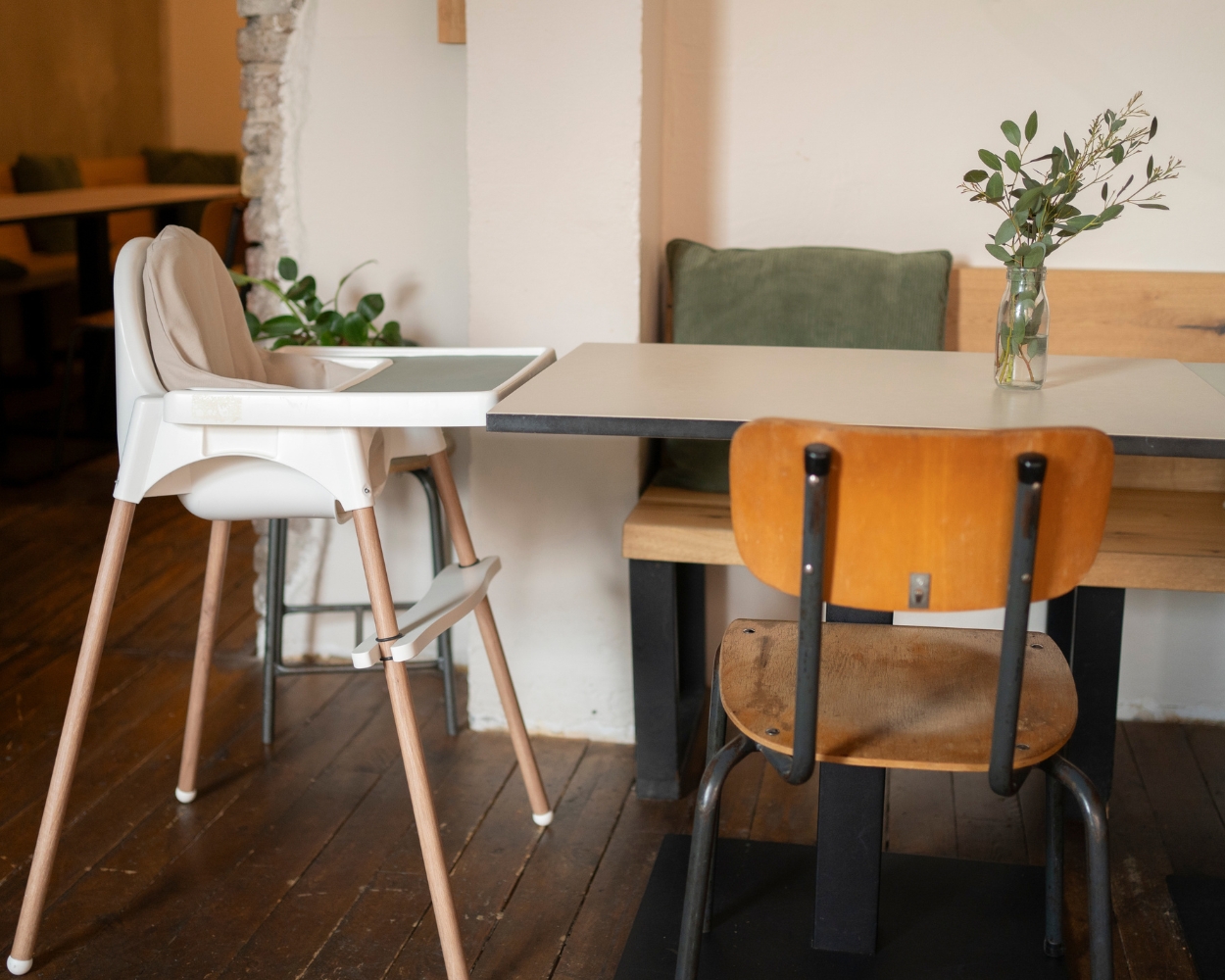
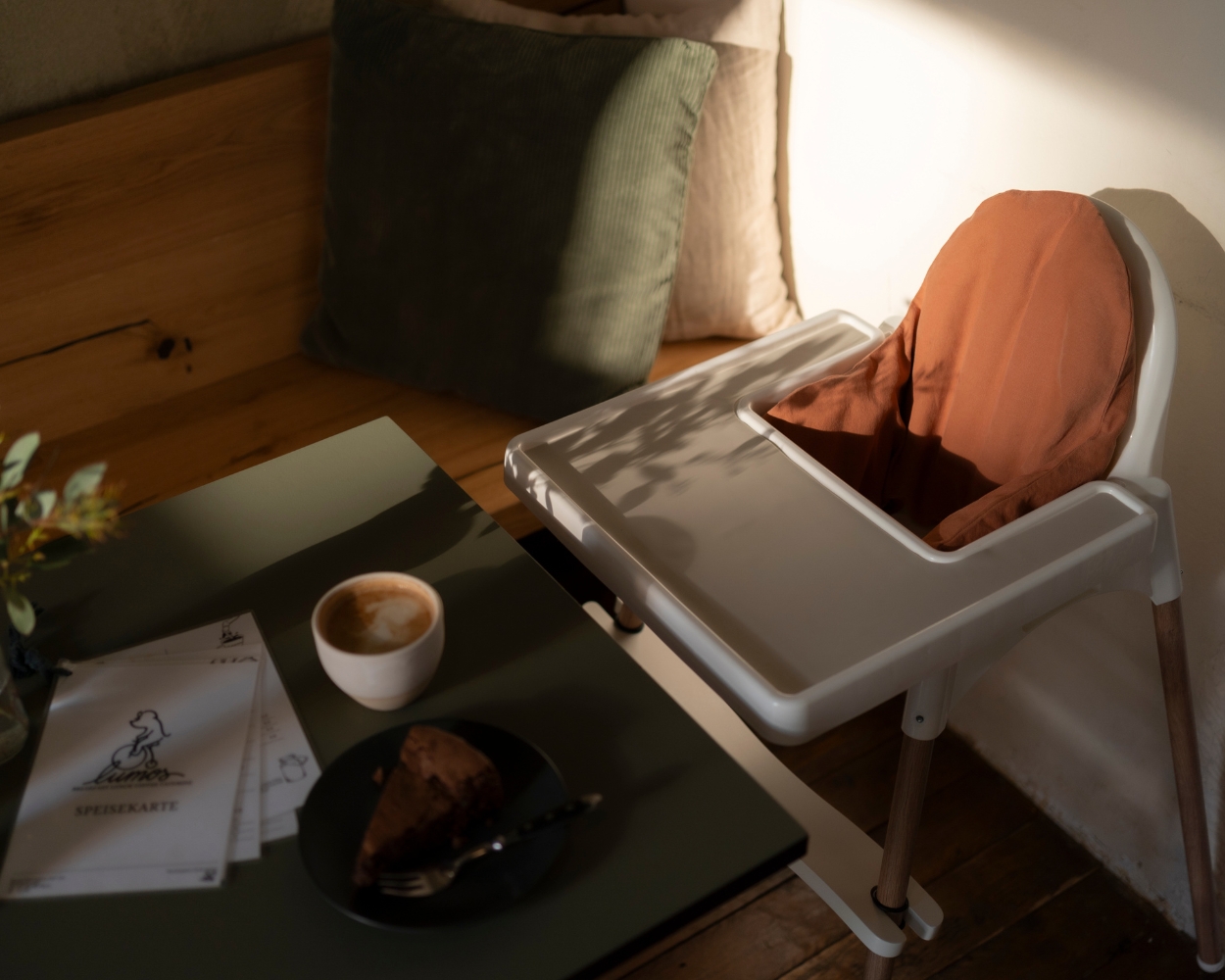
Not all high chairs ( highchair) are the same – and this becomes particularly noticeable when your child starts eating regularly at the family table. Seat height, harness system, materials, adjustability and accessories can vary greatly. Depending on your child’s age, the size of your dining table or how much space you have in the kitchen, a different model may suit you better. A popular classic is the IKEA ANTILOP highchair, which can be perfectly adapted to the needs of babies and toddlers with just a few simple tweaks.
2. Keeping things tidy
Let’s be realistic: spilling food is simply part and parcel of mealtimes for little ones and is unavoidable. Nevertheless, there are a few clever tricks and practical accessories to help you get things back to organisation as quickly as possible and ensure mealtimes are hygienic.
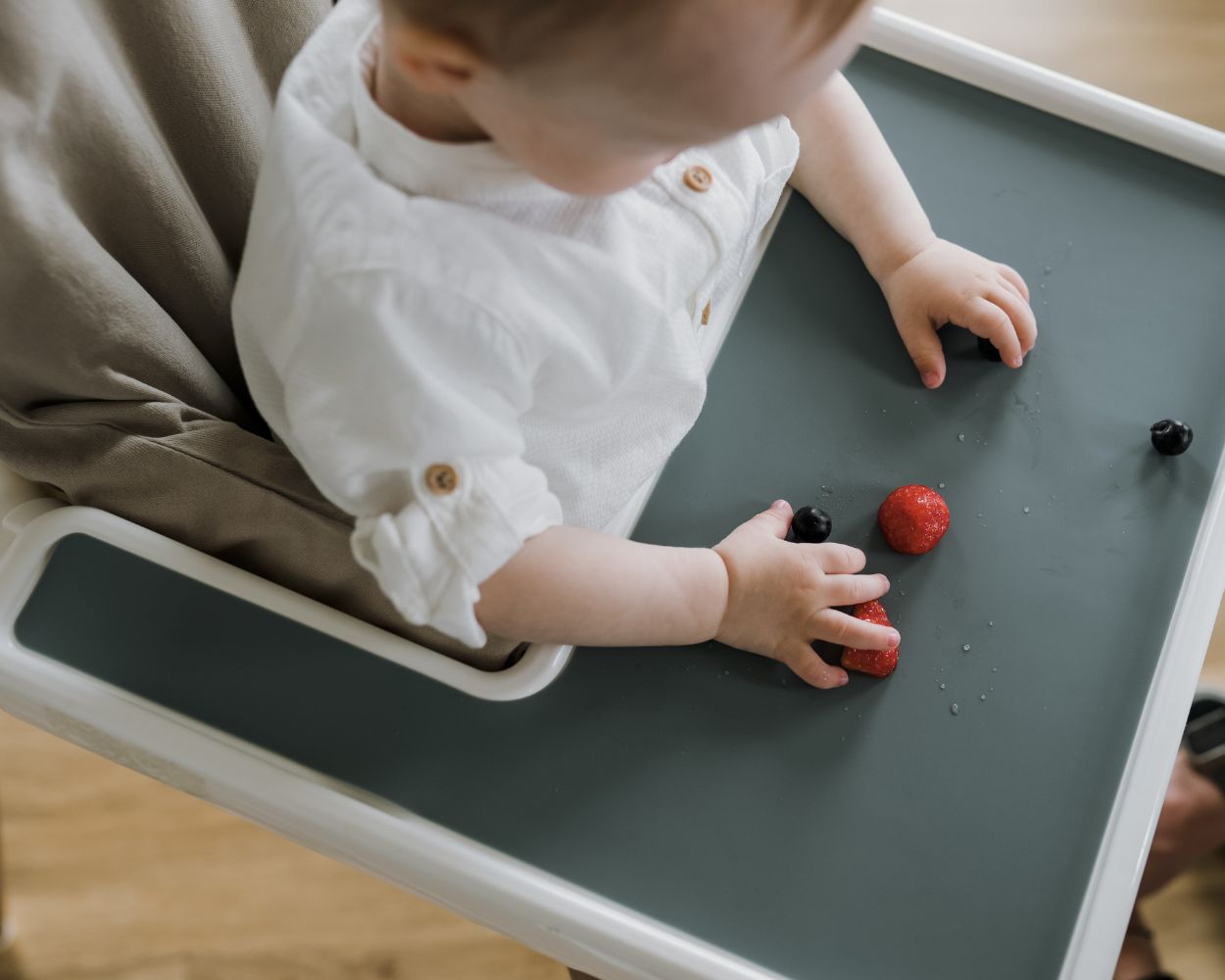
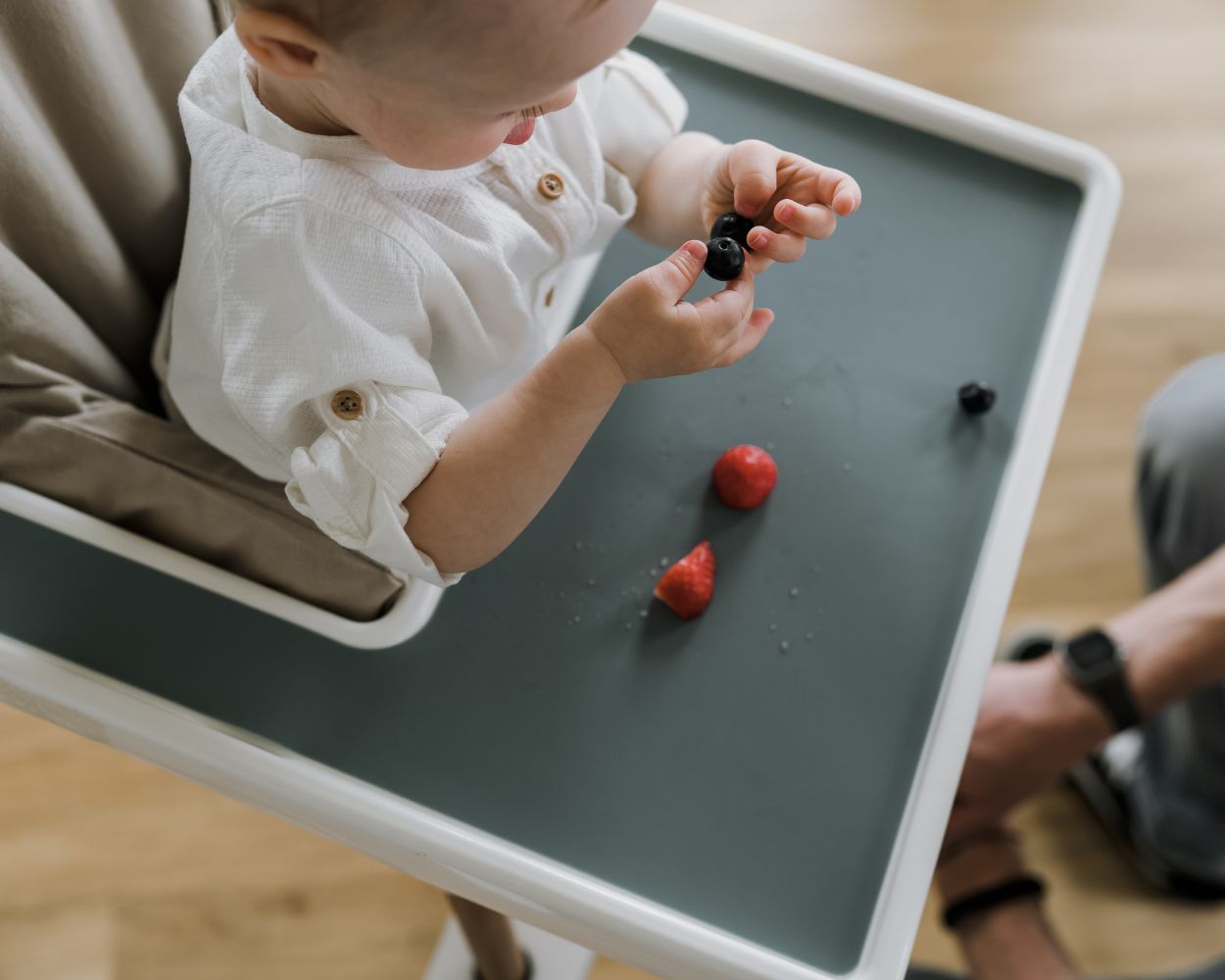
- Silicone mats : Our washable silicone mat is very handy for mealtimes at highchair. It’s non-slip and stops plates and cups from sliding off the table. If something does go wrong, the mat can be easily washed by hand or popped in the dishwasher.
- : bibs Bibs with a built-in catch tray also help keep your baby, the ‘ highchair’ and the floor clean. IKEA offers a silicone version that’s also dishwasher-safe: the GULDVÄVARE bib.
- : floor protector Even with bibs and silicone mat, it’s almost impossible to avoid spills when eating at the highchair. To provide extra protection for carpets and floors, it’s worth using a floor protector that you simply place under the highchair. The KOLON floor protector from IKEA is ideal for this.
- Children’s tableware : Bowls with a non-slip silicone base are particularly recommended – they stay where they’re meant to be and don’t end up on the floor at the very first attempt with a spoon. Spill-proof drinking cups also ensure far fewer puddles on the table.
- ANTILOP highchair : The ANTILOP high chair from IKEA, made from sturdy plastic, is not only easy to wipe clean but can also be placed under the shower for cleaning. Once you’ve unscrewed the legs, you can simply pop the seat shell in the dishwasher.
3. Encouraging independence
So much more happens at the family table than just eating – this is where children learn, experiment and develop independence. Especially for young children, mealtimes are an important opportunity to practise new skills: bringing a spoon to their mouth, pouring themselves a drink or spreading butter on their own bread. Even if things go a bit wrong now and then – that’s exactly where the learning lies. The Montessori approach shows that when we have faith in our children’s abilities, they rise to the challenge.
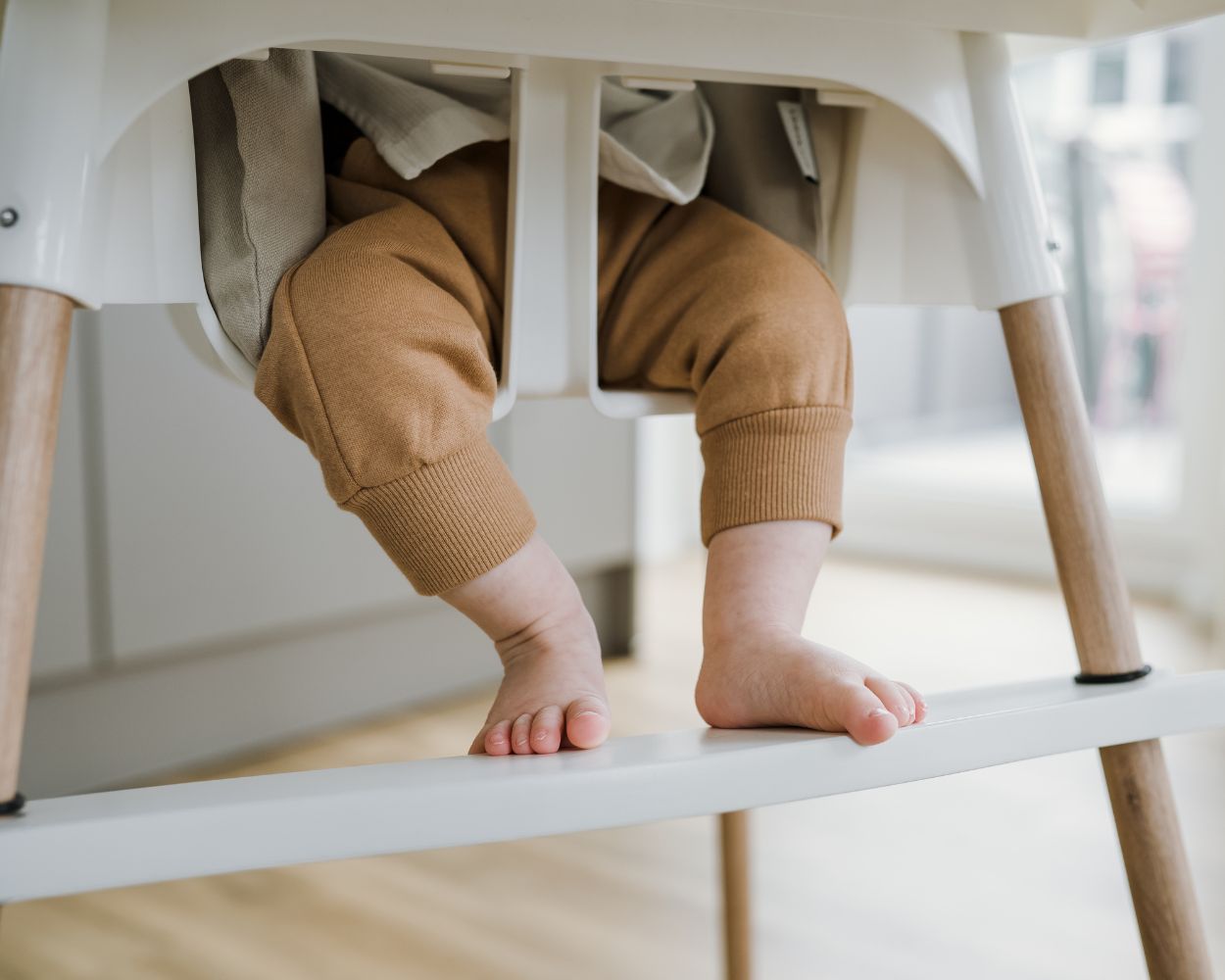
4. Sitting safely and comfortably
Good posture is much more than just a question of ergonomics – it makes a real difference at mealtimes. If your child sits steadily and upright whilst eating, it’s not only easier for them to grasp, chew and swallow, but also to concentrate and join in at the table. Footrest is a huge help here: it provides secure support and prevents your child from sliding back and forth in the highchair. This creates a calm atmosphere – and your child can concentrate fully on their meal.
5. Rituals and routines promote relaxation
For young children, everyday life can often feel overwhelming – which makes fixed rituals that provide a sense of security and structure all the more important. This also plays a major role at mealtimes. If the routine surrounding meals is always similar, your child will find it easier to settle into it. Whether it’s a little bell to signal mealtime, a song you sing together or simply set mealtimes – such recurring cues help them switch from play mode to mealtime mode. This creates a more relaxed atmosphere for everyone involved. And what if things don’t go to plan? That’s all part of it too. The important thing is to stay calm and not throw the routine out of the window straight away. Children need repetition – and patience.
Find out more about the highchair

The correct posture at highchair
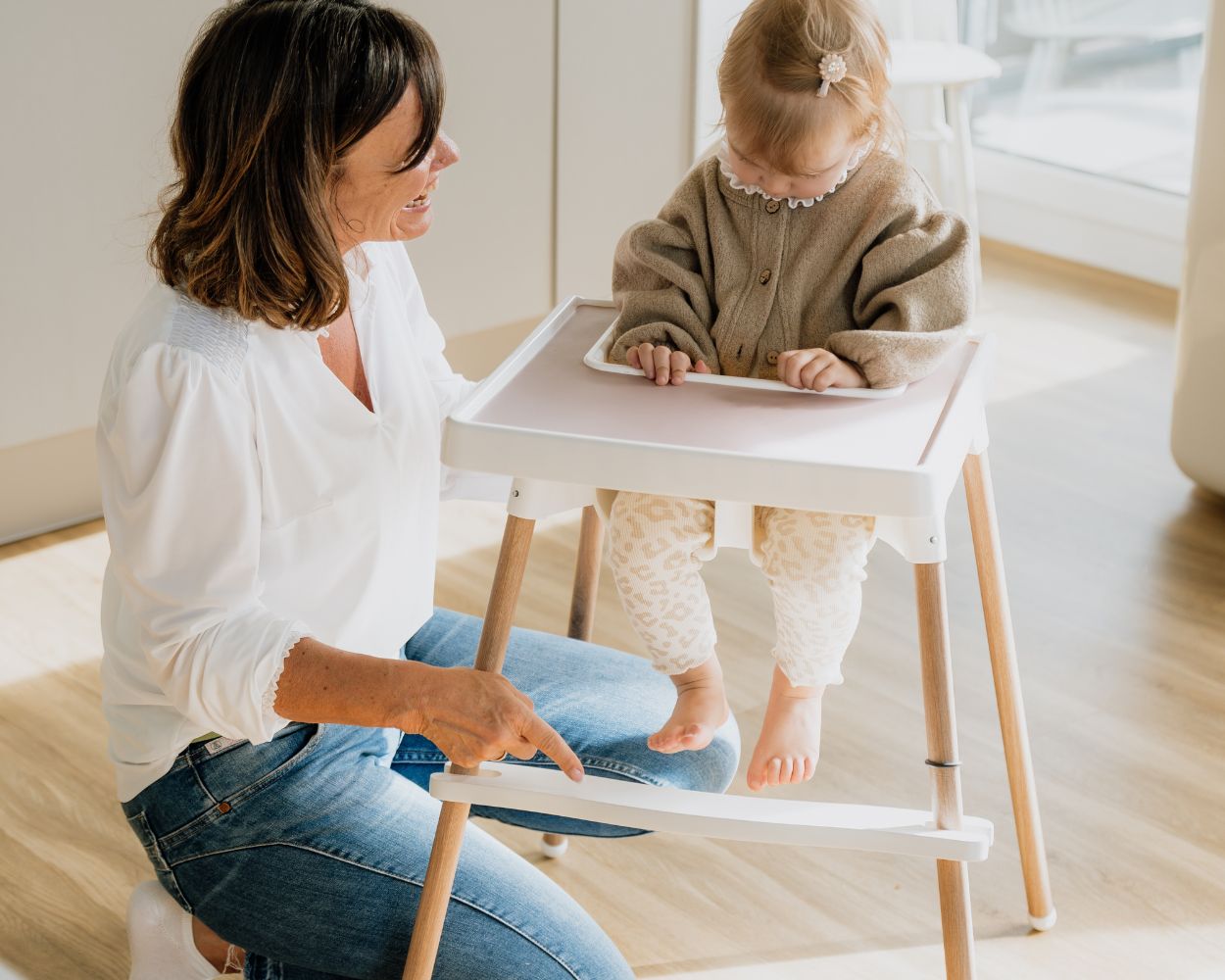
When can my child start sitting in the ‘ highchair’?