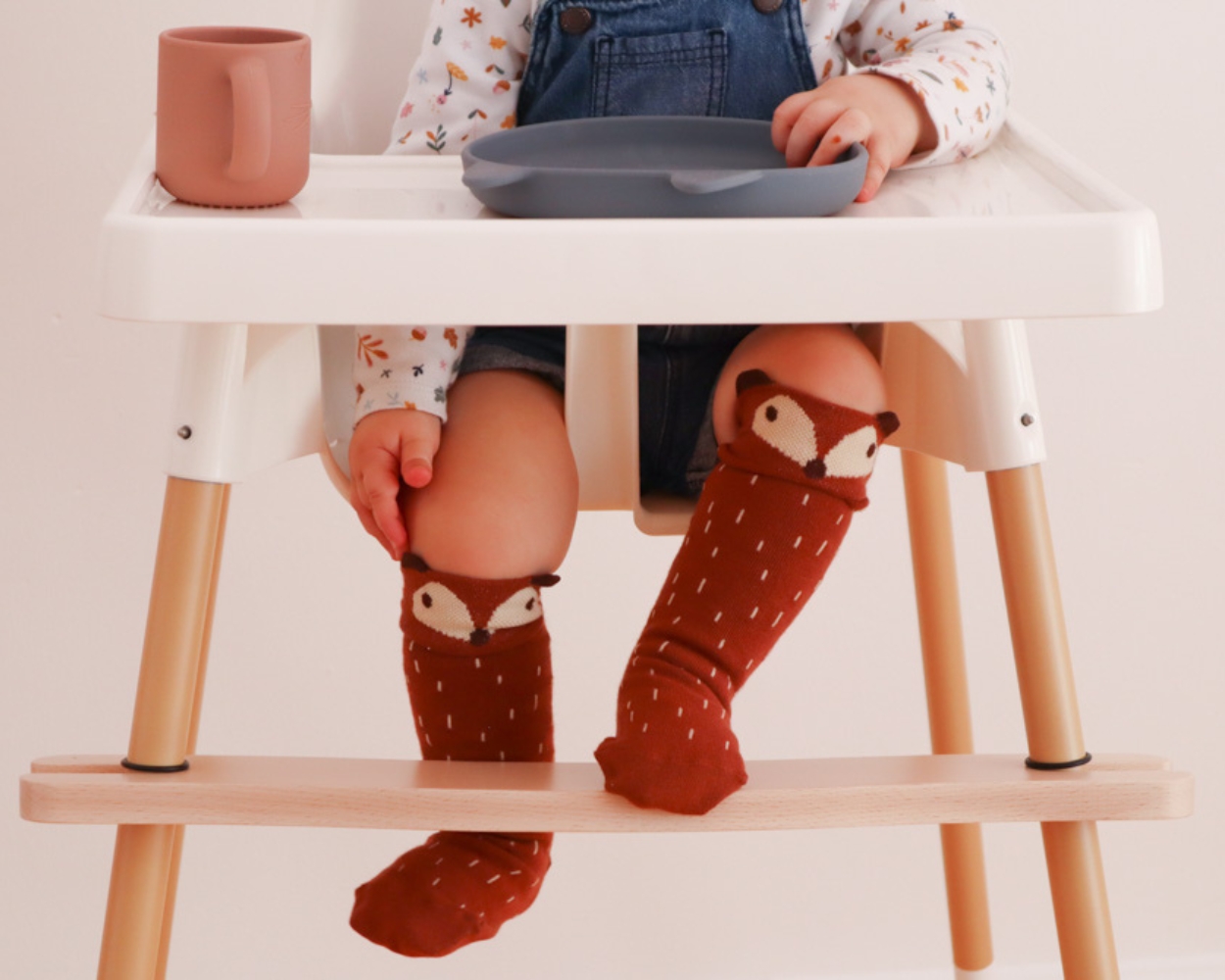
Solid foods for your baby: tips from the experts
Introducing solid foods is an important milestone in your baby’s development. It marks the transition from an exclusively milk-based diet to solid foods and allows your baby to discover new flavours and textures. Pia and Isabell from Malama advise families on introducing solid foods and have shared their expert knowledge with us. In this article, they answer your most frequently asked questions about introducing solid foods.
What is complementary feeding and why is it important?
Complementary feeding refers to the introduction of solid foods alongside milk-based feeding for babies. It plays a crucial role in your child’s development, as it provides important nutrients and makes the transition to solid food easier. Introducing complementary foods allows your baby to discover new flavours and textures, develop their taste preferences and gradually expand their diet.
That’s why complementary foods are important
- Solid foods provide your baby with important nutrients for growth and development.
- Starting with solid foods allows your baby to discover new flavours and textures.
- Introducing solid foods promotes your baby’s independence and motor skills.
- Solid foods gradually prepare your baby for family meals and strengthen social interaction at the dinner table.
Overall, the introduction of solid foods is an important milestone in a baby’s nutritional development. It offers the opportunity to expand their diet, discover new flavours and encourage the baby’s independence. However, the introduction of solid foods should always be approached gently and tailored to the individual child to meet their needs and support their development. Consulting with a paediatrician or a specialist can be helpful in ensuring a smooth transition to solid foods.
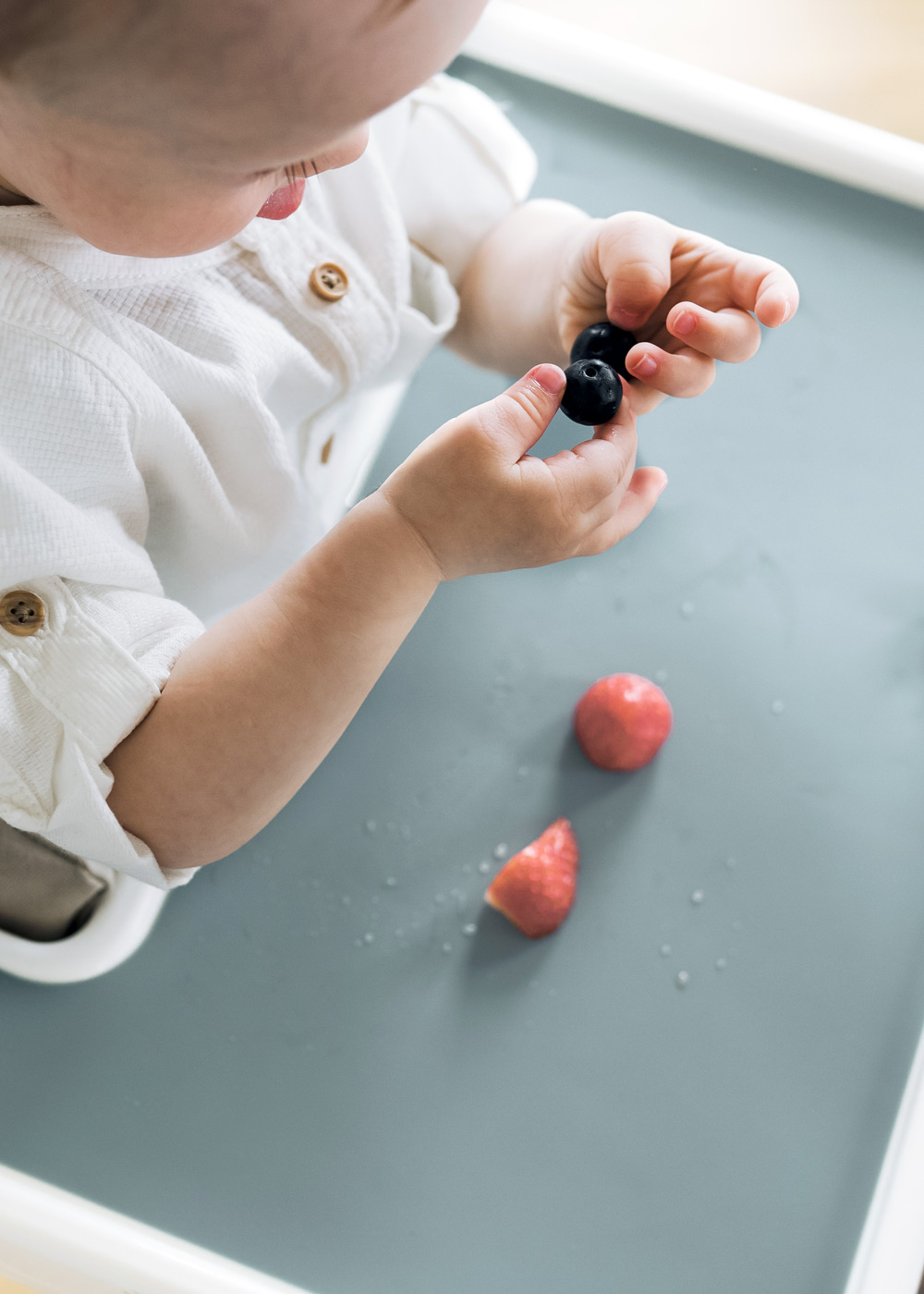
Solid foods or BLW: Which method is right for you?
Are you trying to decide between baby-led weaning and BLW? Don’t worry, you don’t have to choose just one method, as it’s also possible to combine both approaches. Here’s some information to help you make your decision:
- Baby-led weaning: With baby-led weaning, you offer your baby pureed or chopped foods. This approach allows you to better control the texture and consistency of the food and ensure your baby receives all the necessary nutrients. It is also a good way to gradually introduce certain allergens and adapt the food to your baby’s individual needs.
- Baby-led weaning (BLW): BLW involves offering solid foods in finger-friendly pieces that your baby can pick up and eat independently. This approach promotes your baby’s motor skills and encourages them to take control of their own meals. It is important that you offer your baby suitable foods that are safe to handle and do not pose a choking hazard.
- Combining baby-led weaning and BLW: Many parents choose to practise both baby-led weaning and BLW. You could sometimes offer your baby puréed or mashed foods and at other times give them finger-friendly pieces to eat by themselves. This way, you can benefit from both methods and provide your baby with a varied and balanced diet.
When deciding between baby-led weaning and traditional weaning, it is important to take your baby’s preferences and needs into account. Every baby is unique and there is no ‘right’ or ‘wrong’ way. You can also speak to your paediatrician or a specialist for further advice and information. The important thing is that you choose a method that makes you and your baby feel comfortable and confident. So, don’t stress and be open to new experiences. The most important thing is that your baby is healthy and happy whilst exploring the exciting world of solid foods.
Solid foods: When can I start introducing solid foods to my baby?
When you can start feeding your baby solid foods depends on various factors. Firstly, it should be noted that the World Health Organisation (WHO) recommends exclusively breastfeeding babies up to the age of 6 months. There is no one-size-fits-all answer as to when the right time is to introduce solid foods. Most parents start introducing solid foods to their baby between 5 and 7 months. You can tell when your baby is ready by looking out for the following signs.
Important signs of your baby’s development
- Head control: Your baby can hold their head steady and lift it up on their own.
- Ability to sit: Your baby can sit upright with just a little support on their back.
- Disappearance of the tongue-thrust reflex: At first, babies automatically push food out of their mouths with their tongues. Once the tongue-thrust reflex has disappeared, this is a sign that your baby is ready to eat solid food.
- Interest in food: Your baby shows an interest in the food you are eating and may try to grab it or imitate you.
- Hand-mouth coordination: Your baby can reach for objects and bring them purposefully to their mouth. They show an interest in exploring food independently and tasting it.
- Developed chewing movements: Your baby makes chewing movements with their mouth to work on solid objects.
It is important to note that these signs of readiness are only guidelines and that every baby develops at their own pace. Observe your baby closely and listen to their cues. If they show these signs of readiness and you are confident that they are ready, you can start introducing solid foods.
Remember that solid foods are a supplement to milk-based feeding and that breastfeeding or bottle-feeding continues to play an important role. Start with small portions and gradually increase the amount as your baby gets used to the new flavours and textures.
Enjoy this exciting stage of your baby’s development and have fun discovering new culinary adventures together with your baby!
What are the best first solid foods?
Introducing solid foods opens up a whole new world of taste experiences for your baby. Here are some recommended first foods you can try:
- Sweet potato: Sweet potato is an excellent choice for a first solid food. It is mild, easy to digest and rich in important nutrients such as vitamin A, fibre and potassium. You can peel it, cut it into small pieces and gently steam it until it is soft enough to purée or mash.
- Courgette: Courgette is another popular vegetable for first solid foods. It is gentle on your baby’s sensitive tummy and contains important nutrients such as vitamin C, fibre and potassium. Slice the courgette, steam it and then mash it to a smooth consistency.
- Avocado: Avocado is a healthy and creamy option for first foods. It contains healthy fats, fibre and a variety of vitamins and minerals. Peel a ripe avocado, remove the stone and mash the flesh to a smooth consistency. You can serve it on its own or combine it with other vegetables.
- Carrot: Carrots are rich in beta-carotene, which is converted into vitamin A in the body. Peel the carrots, cut them into pieces and cook them until soft. You can mash them or cut them into small pieces, depending on how well your baby can already chew.
- Parsnips: Parsnips are a mild root vegetable rich in fibre and vitamins. Peel the parsnips, cut them into pieces and cook them until soft. You can mash them or cut them into small pieces to offer your baby a variety of textures.
- Pumpkin: Pumpkin is also a popular vegetable for first attempts at weaning. It is rich in fibre, vitamins and minerals. Peel the pumpkin, remove the seeds and cut it into pieces. Cook it until soft and mash it to a smooth consistency or offer it in small pieces.
Remember to introduce new foods one at a time and watch for your baby’s reaction to any allergies or intolerances. Also, stick to the recommended age guidelines for specific foods to minimise the risk of choking. There is a wide variety of first solid foods to choose from, and you can gradually introduce different types of vegetables to explore your baby’s taste preferences. It is important to pay attention to your baby’s individual needs and reactions and to consult your paediatrician or a nutritionist if you have any questions or concerns, to ensure that your baby’s weaning diet is balanced and safe.
Accessories for your IKEA highchair


Which foods are unsuitable as complementary foods?
When introducing solid foods, it is important to avoid certain foods as they can pose an increased risk of choking. Here are some foods you should avoid during the first few months of weaning :
- Foods with large pieces: Avoid foods containing large pieces, such as whole nuts, grapes or cherry tomatoes. Always cut them into small, child-friendly pieces to prevent choking.
- Hard or sticky foods: Avoid foods such as hard sweets, toffee or marshmallows, as they can pose a choking hazard. You should also avoid sticky foods such as peanut butter during the first few months.
- Raw foods: Avoid feeding raw meat, raw eggs or raw fish. They may contain potentially dangerous bacteria and increase the risk of food poisoning.
- Honey: Avoid using honey in complementary foods, as it can increase the risk of botulism, a serious illness that can affect infants.
- Strongly spiced food: Avoid strongly spiced or hot foods, as they can irritate your baby’s sensitive tummy. Start with mild and easily digestible flavours.
It is important to follow these recommendations to ensure your baby’s safety and well-being during the weaning process. If in doubt, you can always contact your paediatrician or a nutritionist for further information and advice.
Is it normal for my baby to choke when I start introducing solid foods?
This can certainly happen at first. After all, your baby has only been drinking up until now. Some children need time to get used to solid food and initially prefer everything finely puréed. This allows them to gradually get used to anything chunky. Over time, children become more skilled and their oral motor skills improve. However, frequent choking can indicate a certain degree of immaturity, and you may need to wait a little longer before introducing solid foods.
Why should I only feed my baby whilst they are sitting up?
Sitting upright is important, as babies do indeed choke on chunky food more often when lying down. When sitting, the stomach is in the ideal position to take in food. Perhaps you’ve tried eating whilst lying down yourself. Even for experienced adults, this is often not that easy. And for those new to weaning, eating whilst lying down is even more difficult. Furthermore, sitting promotes your baby’s independence. They can discover their food for themselves and actively participate. Eating whilst lying down, on the other hand, is a passive activity for your baby.

Why is a footrest important when introducing solid foods?
With a footrest, your baby can prop up their feet and achieve a healthy spinal posture. The correct posture in the highchair offers many benefits for your baby, which are very important when introducing solid foods:
- Ergonomic sitting position: A footrest helps to create an ergonomic sitting position for your baby. This allows them to concentrate better on their food and adopt a comfortable, upright posture.
- Stability and balance: Resting their feet on a footrest increases your baby’s stability during feeding. This can help them sit more securely and with less wobbling.
- Reduced risk of choking: A footrest can help minimise the risk of choking. As your baby has a firmer grip and sits in a stable position, they can concentrate better on chewing and swallowing. There is less risk of food accidentally entering the airways.
What can you do if your baby is constipated?
If your baby is suffering from constipation, there are some foods that can have a laxative effect and help to ease bowel movements. Here are a few tips:
- Plum purée: Plum purée is known for its laxative effect and can help relieve constipation. Give your baby a small spoonful of plum purée to stimulate digestion.
- Pears: Pears contain fibre and natural sugars that can stimulate bowel movements. Offer your baby puréed or steamed pears as a gentle laxative.
- Warm apple juice: A sip of warm apple juice can also help with constipation. However, make sure the apple juice isn’t too hot and dilute it with a little water if necessary to reduce the concentration.
- Hydration: Make sure your baby is getting enough fluids, especially water. Good hydration can help regulate bowel movements.
In addition to these laxative foods, you can also try gently massaging your baby’s tummy or holding them upright to stimulate bowel movements. If the constipation persists or you are concerned, you should consult your paediatrician for further advice and possible treatment options. Remember that every baby’s digestion is different and it is normal for them to experience occasional constipation. With the right measures and support, you can help your baby develop healthy digestion.
How much solid food does my baby need?
The amount of solid food your baby needs varies from child to child and depends on their needs and developmental stage. Generally speaking, when you first start introducing solids, it’s less about the quantity of food and more about exploring new flavours and textures. Here are some key points to bear in mind:
- Tasting and exploring: In the first few months of introducing solid foods, the aim is to give your baby the opportunity to try different foods and gain experience with different flavours and textures. Breast milk or infant formula remains the main source of nutrition, providing the necessary nutrients.
- Respect individual differences: Every baby develops at their own pace and has their own appetite. Some babies can eat larger amounts of solid food right from the start, whilst others initially only accept small portions. It is important to pay attention to your baby’s cues and not to force them. The pace of introducing solid foods can vary from baby to baby.
- Combining with breastfeeding or bottle-feeding: Initially, solid foods serve as a supplement to breastfeeding or bottle-feeding. Your baby will continue to receive the necessary breast milk or infant formula to meet their nutritional needs. Solid foods are intended to introduce new foods and broaden their taste horizons.
If you have any questions or concerns regarding the amount of solid food, you should always consult your paediatrician. Pay attention to your baby’s natural signals, watch for signs of fullness and hunger, and give them the chance to regulate their own appetite and sense of fullness. The amount of solid food will gradually increase over time as your baby continues to discover new foods and develop their eating skills.
How much water does my baby need when breastfeeding and eating solid foods?
Staying hydrated is important both during breastfeeding and when introducing solid foods to ensure your baby remains sufficiently hydrated. Here are some key points to bear in mind:
- Breast milk or infant formula as the main source of fluids: In the first few months of life, breast milk or infant formula is the most important source of fluids for your baby. These contain all the necessary nutrients and fluids your baby needs for growth and development.
- Water intake during weaning: When you start introducing solid foods, you can also offer your baby water. This can be done during mealtimes.
- Pay attention to your baby’s needs and signals: Fluid requirements can vary depending on age, activity level and weather conditions. Look out for your baby’s signals, such as signs of thirst, increased drooling or dry lips.
Maintain a balanced fluid intake by paying attention to your baby’s natural signals and offering them sufficient fluids both during breastfeeding and when introducing solid foods.
Should I take omega-3 supplements if we don’t eat fish?
Omega-3 fatty acids play an important role in your baby’s healthy development. They are particularly important for the development of the brain and eyes. Omega-3 fatty acids are usually obtained by eating oily fish such as salmon, mackerel or tuna. However, if you or your baby do not eat fish for specific reasons, it may be necessary to take omega-3 supplements. Here are some important points to bear in mind:
- Consult your paediatrician: Before you consider omega-3 supplements for your baby, it is important to speak to your paediatrician. The doctor can assess your baby’s specific nutritional needs and provide recommendations for suitable supplementation.
- Alternative sources of omega-3 fatty acids: If you avoid fish, there are other sources of omega-3 fatty acids that can be incorporated into your baby’s diet. These include, for example, flaxseeds, chia seeds or walnuts. Note, however, that infants may find these foods difficult to chew or digest. It is therefore important to choose the appropriate form and preparation, such as ground powder or a puréed form.
- Specific omega-3 supplements: In some cases, it may be necessary to use omega-3 supplements in the form of drops or capsules. These are usually specially formulated to meet the needs of infants and contain the required amount of omega-3 fatty acids. Consult your paediatrician for recommendations and to determine the correct dosage.
- Take allergies or intolerances into account: When choosing omega-3 supplements, you should also take allergies or intolerances into account. Check the ingredients and ensure the product is free from allergens to which your baby might be sensitive.

Pia and Isabell from Malama Family Support offer baby classes, advice and workshops on topics such as weaning, breastfeeding and sleep. The experts share useful tips on their Instagram channel @malama_familie.