









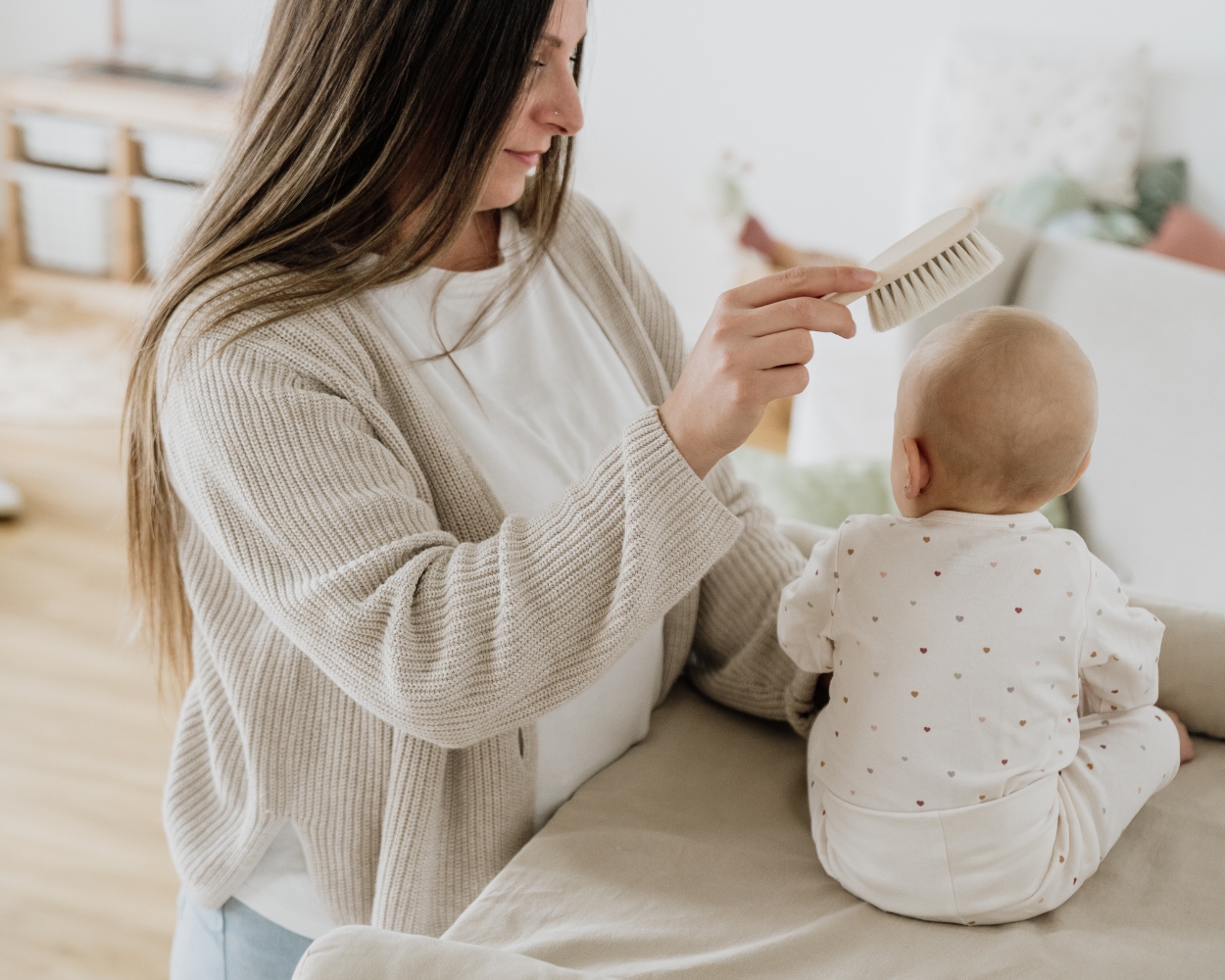
Why a cosy nursery is important
A cosy nursery has an important function: it creates a comfortable atmosphere for your little one and helps them feel safe and secure. Just think about how uncomfortable you feel in an uncomfortable bed or in a room with bright lights. Your baby will not have the same preferences as you, of course, but it is important that they feel comfortable in their room.
A cosy nursery can help your little one sleep better and calm down more quickly. Choosing the right furniture and accessories also plays an important role in creating a cosy nursery. There should be enough space for playing and exploring, but also places to retreat to for rest breaks.
Colours and patterns can also have a big impact on the mood in the room. So take your time when planning the nursery and make sure it becomes a place where your little one can feel completely at ease.
Baby room checklist: What you need
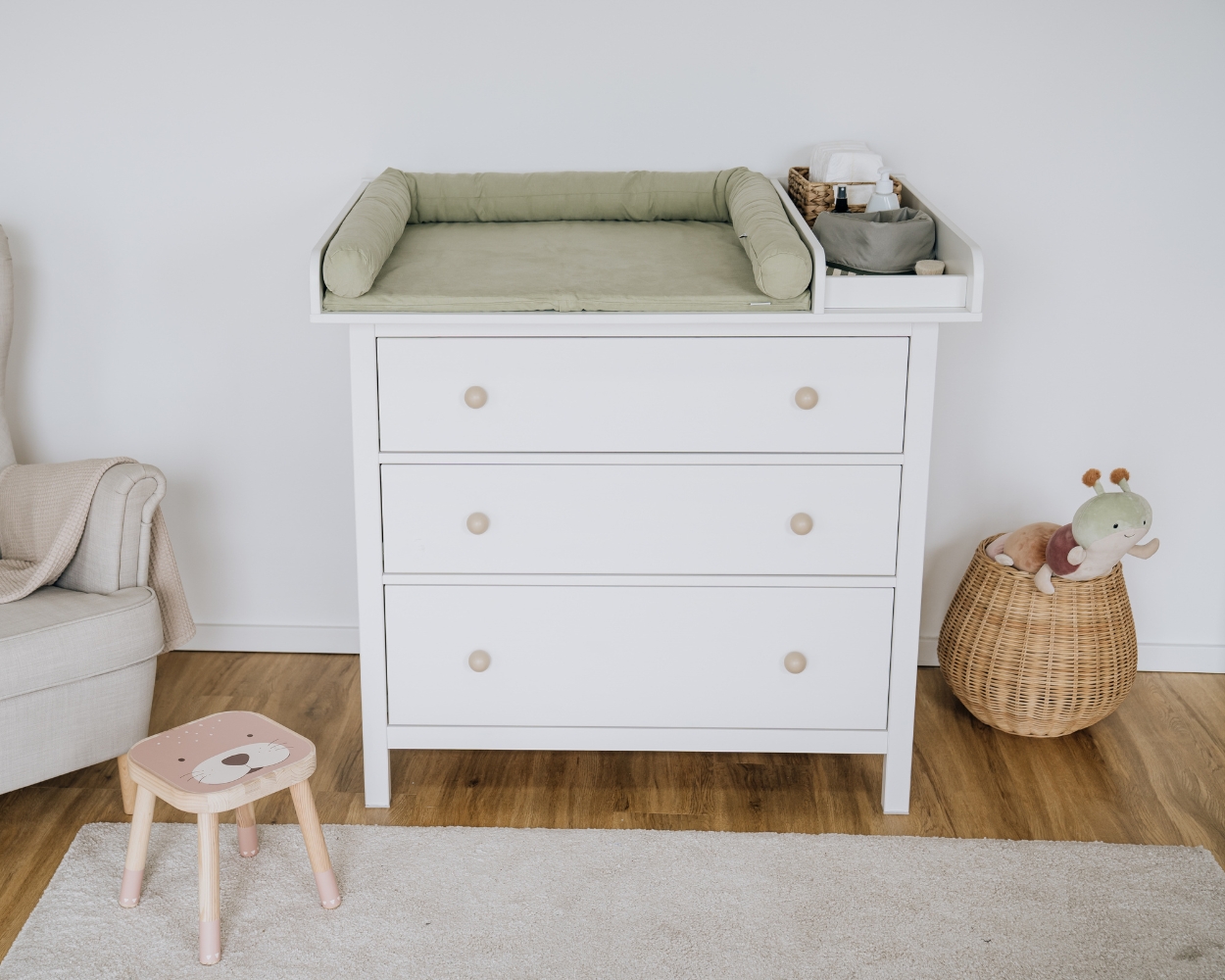
1. Changing table with sufficient storage space
The ideal location for your changing table
Organisation In the changing table: Organisers for the drawer
The drawer of a changing table can quickly become messy. With our organisers, everything stays tidy and within reach. You can sort clothes upright into the small compartments so that you always have everything ready without having to rummage through the drawer. This allows you to stay relaxed while changing nappies and concentrate fully on your baby.
Checklist for your changing table
- Safety on the changing table: Make sure your changing table ( chest of drawers) is sturdy and stable. If you want to install a wall shelf, it must be professionally mounted. Your baby should not be able to get hold of any creams or oils.
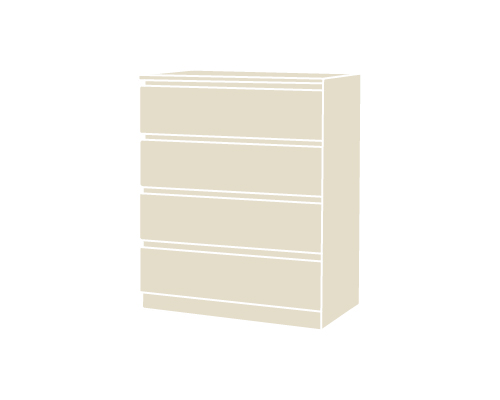
- Sustainable purchasing decision: Do you already have a suitable chest of drawers at home? Many IKEA chests of drawers or vintage furniture can be converted into a changing table with a changing top. This means you don't need to buy new furniture and can continue to use the chest of drawers after the nappy-changing phase.
- Everything you need for nappy changing: A changing table with sufficient storage space for nappies, clothes and care products makes your daily routine easier. Use baskets or boxes in different sizes for nappies, care products or clothes. Dividers in the drawers are particularly practical for small items of clothing. Cosmetics can be stored out of your baby's reach on a wall shelf – but make sure that it cannot fall down under any circumstances.
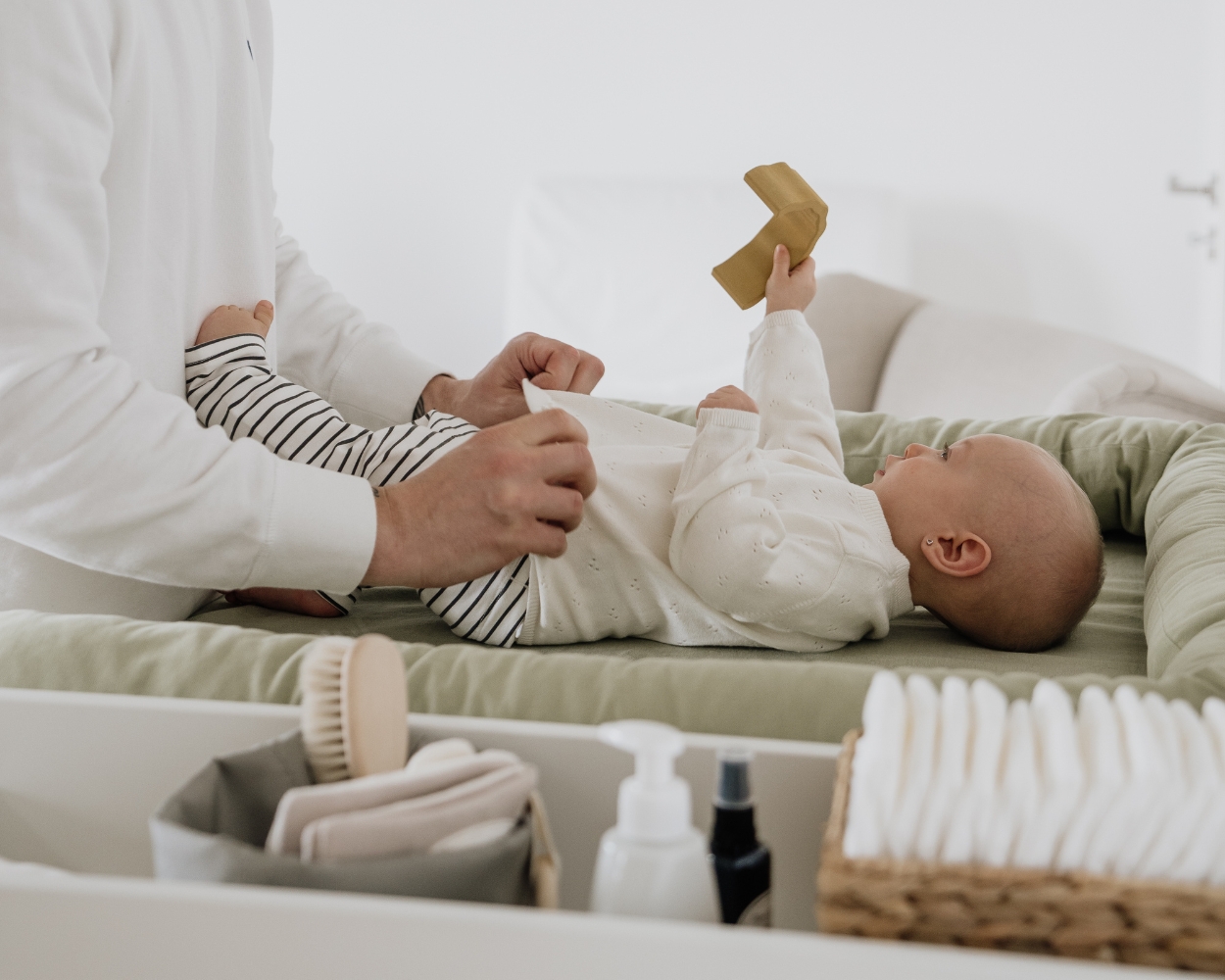
- Distractions on the changing table: To make nappy changing fun for your little one, have some distractions ready. Toys, cuddly toys or even your hairbrush will keep your little one focused while you change their nappy undisturbed. However, it is best to keep cosmetic products out of your baby's reach.
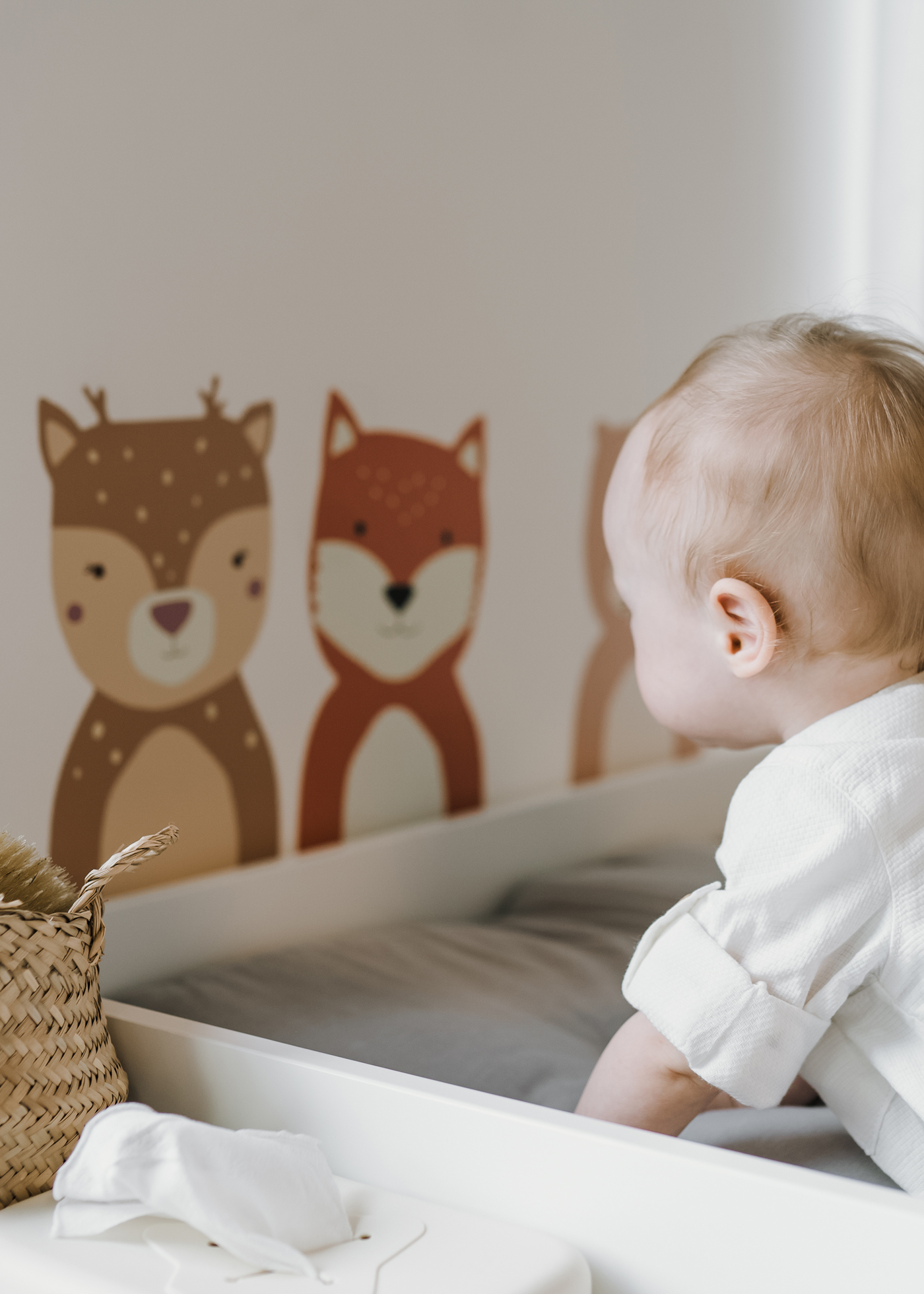
- Cheerful decorations: You can transform the changing table in the nursery into a child-friendly space with handles and cute stickers.
2. Baby cot for sweet dreams
Checklist for baby
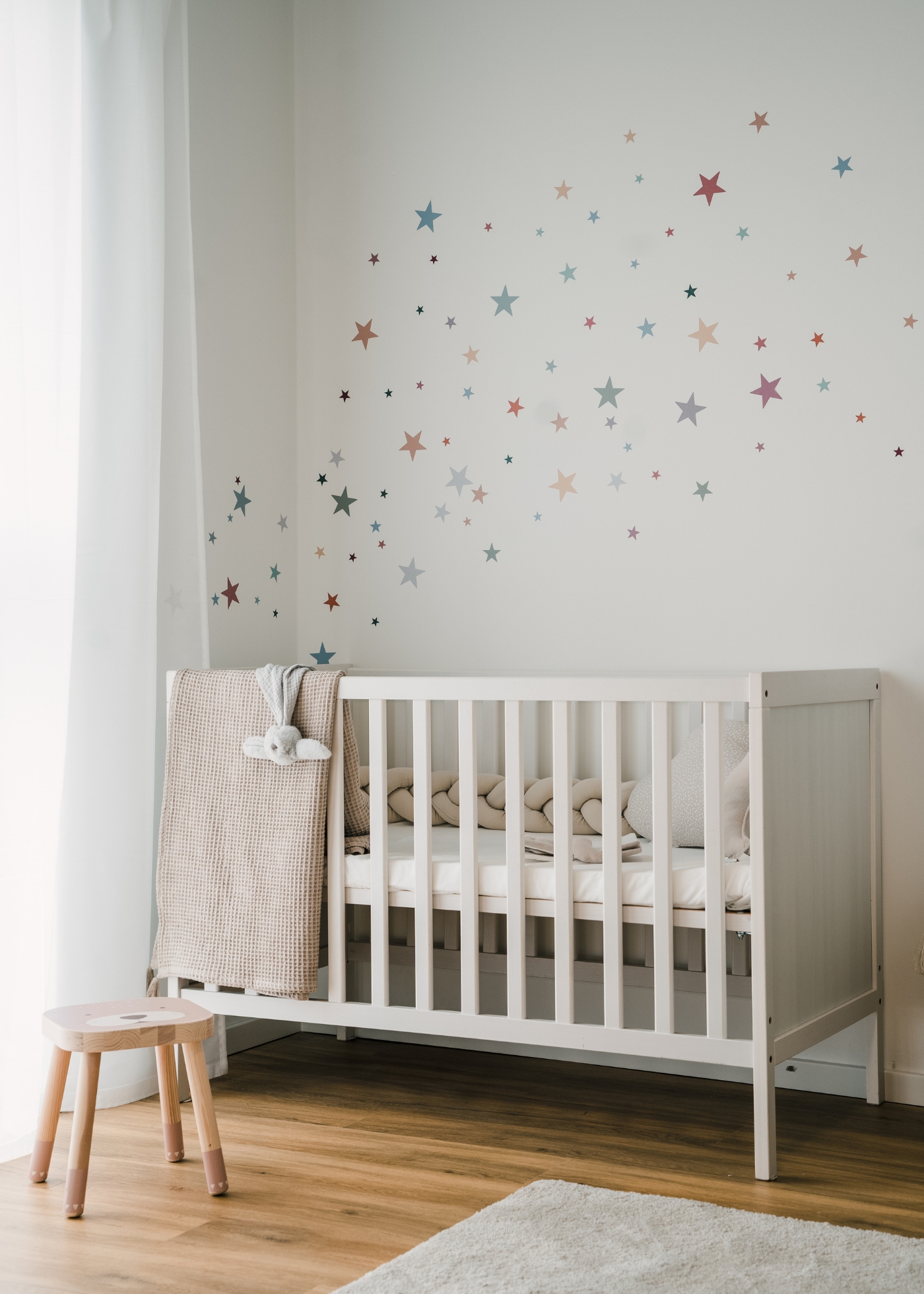
- beds Baby bed, co-sleeper or family bed? The decision for or against a baby bed is entirely individual and depends on your personal circumstances and the needs of your baby. Are you thinking about sharing a bed? You can find all the information and IKEA hacks on the topic of family beds via the link.
- Safety in the cot: Make sure that the cot is stable and complies with current safety standards. A suitable mattress is also a must. Make sure that the cot is not overfilled with pillows, blankets and cuddly toys. Too many textiles could pose a suffocation hazard for your baby.
- Location of the cot: The choice of whether to place the cot in the parents' bedroom or in the baby's room is also an individual one. How can you all sleep best? Often, it's a matter of trial and error.
- Sustainable furniture purchases: Many cots can be converted flexibly. As your baby grows, many models allow you to lower the bed base and remove one side of the bars. A bed that grows with your child can be used for much longer.
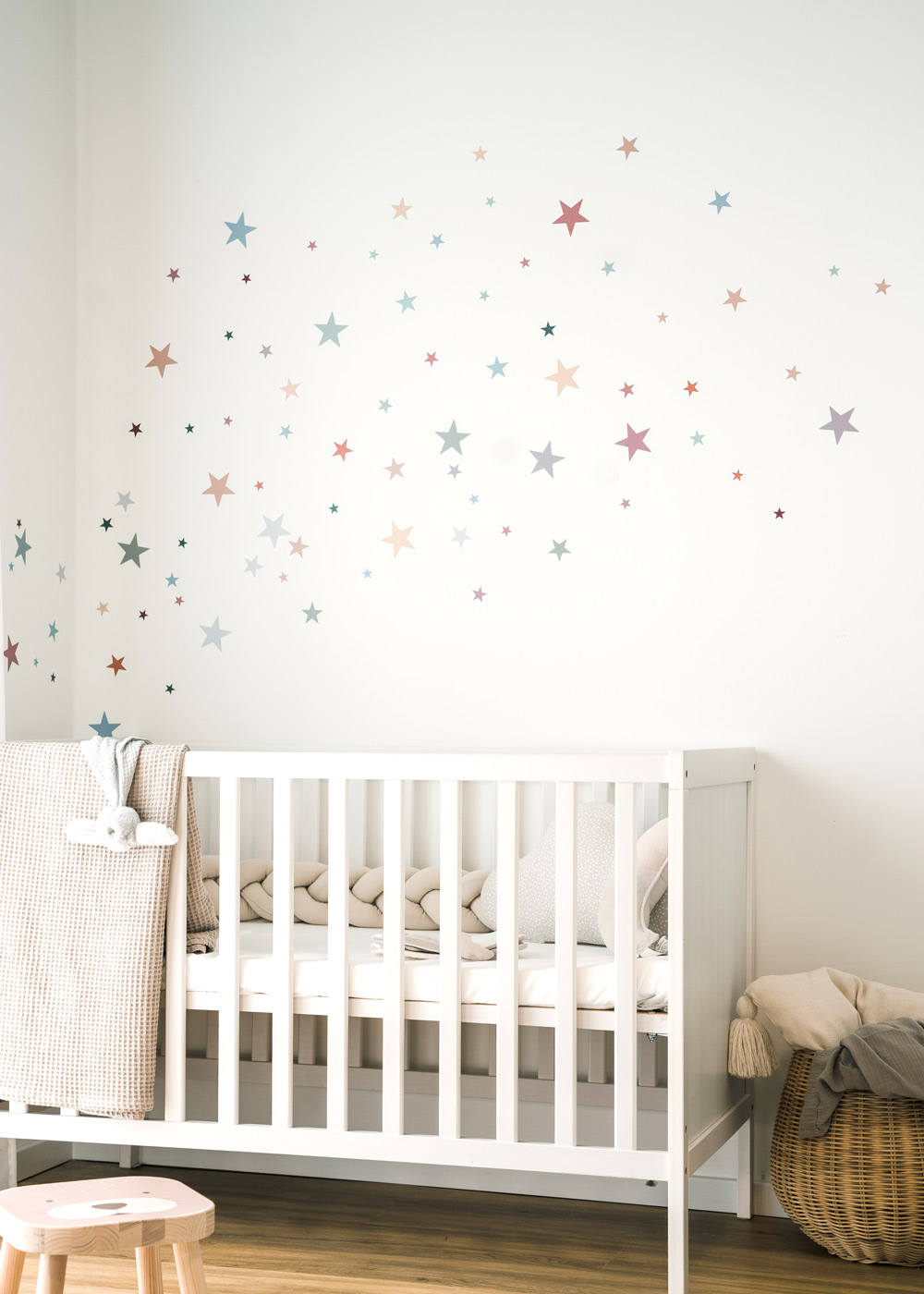
- Cosiness with stylish decorations: A bed bumper around the edge makes the cot extra cosy. And matching wall stickers around the bed turn the sleeping area into an eye-catcher in the nursery.

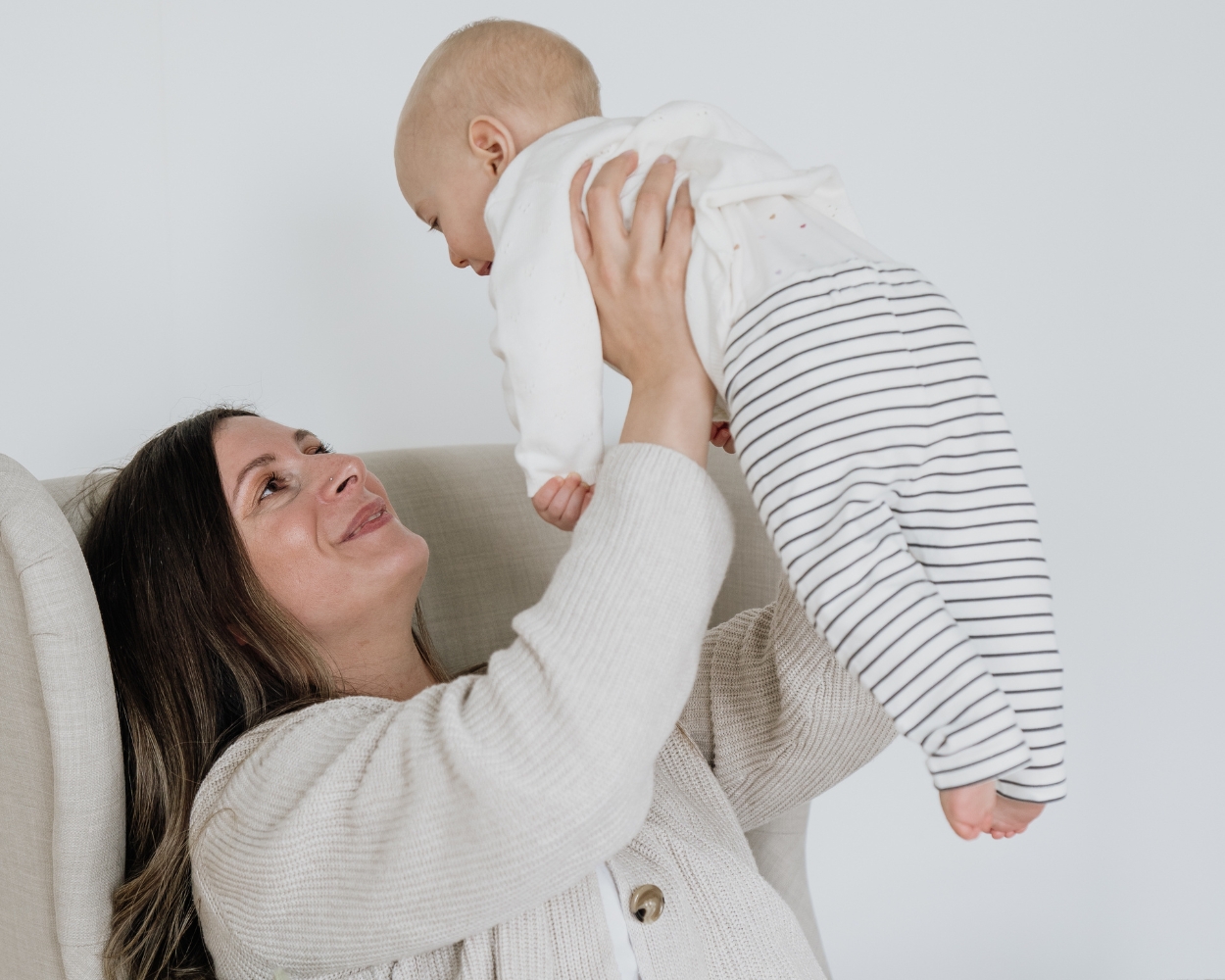
3. Breastfeeding and cuddling in the nursery
A comfortable armchair or cosy sofa is ideal for cuddling with your baby or breastfeeding. You can also sit down comfortably while helping your baby fall asleep.
Of course, you don't always have to breastfeed and cuddle in the nursery. However, having a designated place where you can retreat in peace promotes rituals and can have a calming effect on your baby.
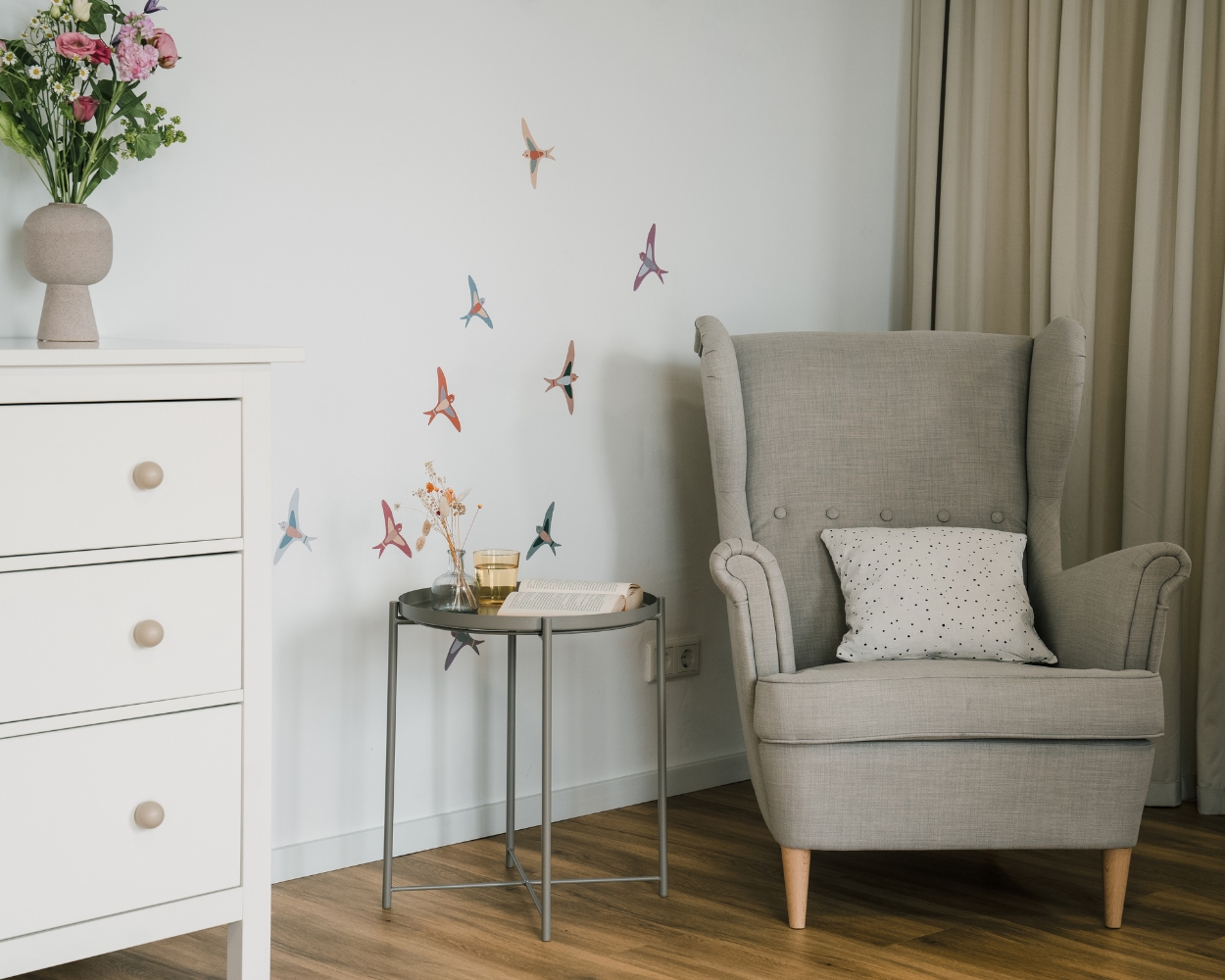
Checklist for the cosy corner
- Comfort is key: cuddling and breastfeeding (or bottle feeding) will soon become part of your daily routine. That's why your breastfeeding area should be comfortable and inviting. You should enjoy sitting there.
- Sufficient space: Make sure that you and your baby have enough space in the breastfeeding chair, even when your baby gets a little bigger. A side table also gives you somewhere to put things down.
- Quiet corner: Place your breastfeeding area in a quiet corner. With few distractions, your baby can relax best. And you too, of course.
- Hard-wearing fabric: When breastfeeding, things can get messy from time to time. It is therefore advisable to choose an armchair that is easy to clean. Hard-wearing fabrics can be cleaned easily with upholstery cleaner.
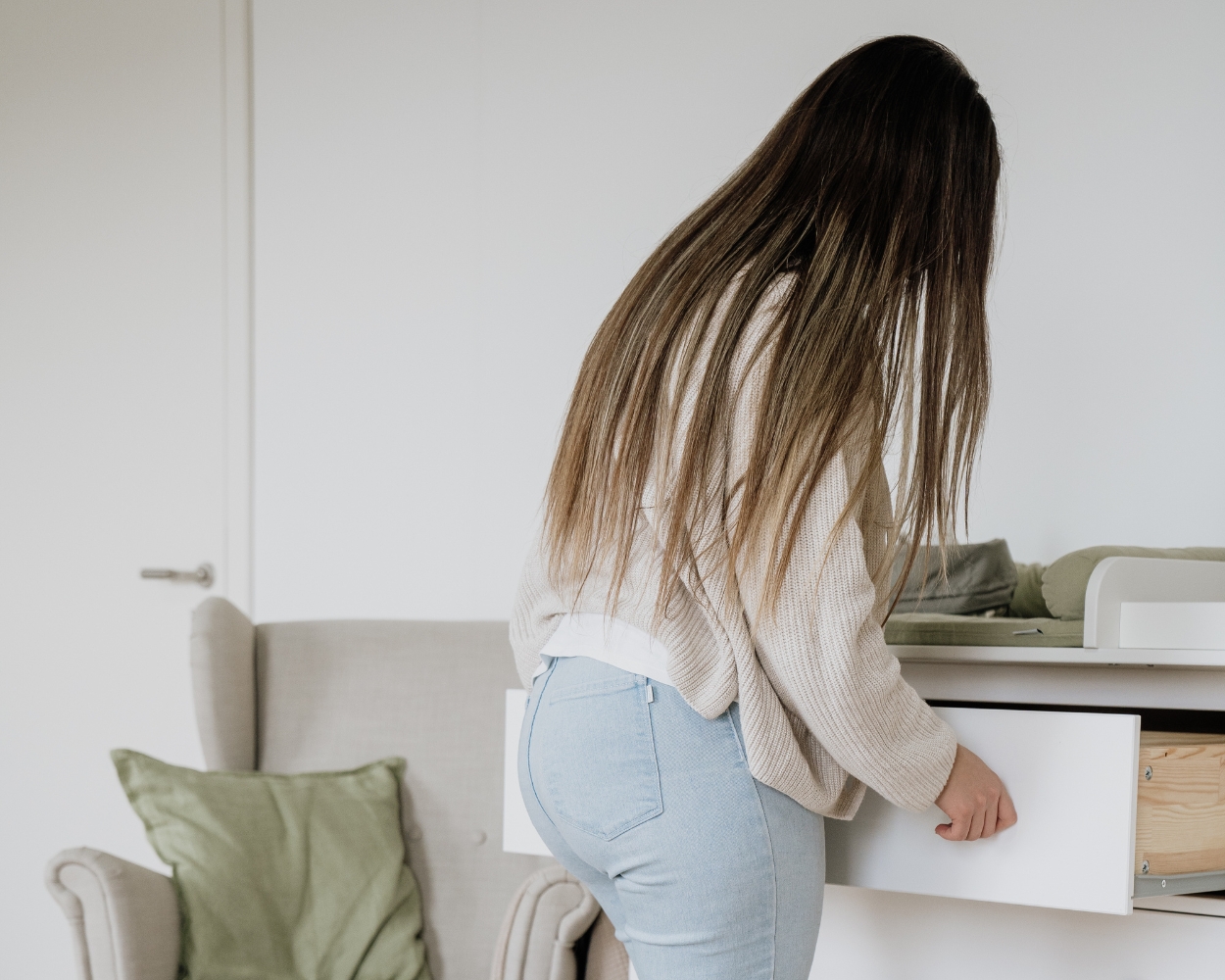
4. Storage & organisation in the baby room
Practical storage in the baby room is essential for keeping organisation and having everything you need quickly to hand. Especially on the changing unit, but ideally everything should also have its place in the rest of the room. Remember: the simpler the storage options are, the more likely you are to use them regularly. So keep the room as minimalist as possible - less is often more!
Checklist for organisation in the baby room
- Store small items well: Use baskets or boxes in different sizes for toys, nappies and clothes.
- Organisation in the drawer: Use drawer inserts with dividers. Your baby's clothes are so small that it's easy to lose track of them in a large drawer.
- Closed storage space: In the beginning, your little one won't be able to do anything on their own, but this will change quickly. And all items that are kept open and within your baby's reach will become interesting. You should therefore also have closed storage space where possible, for example in the form of a wardrobe. Bear in mind that this should also be attached to the wall for safety reasons.
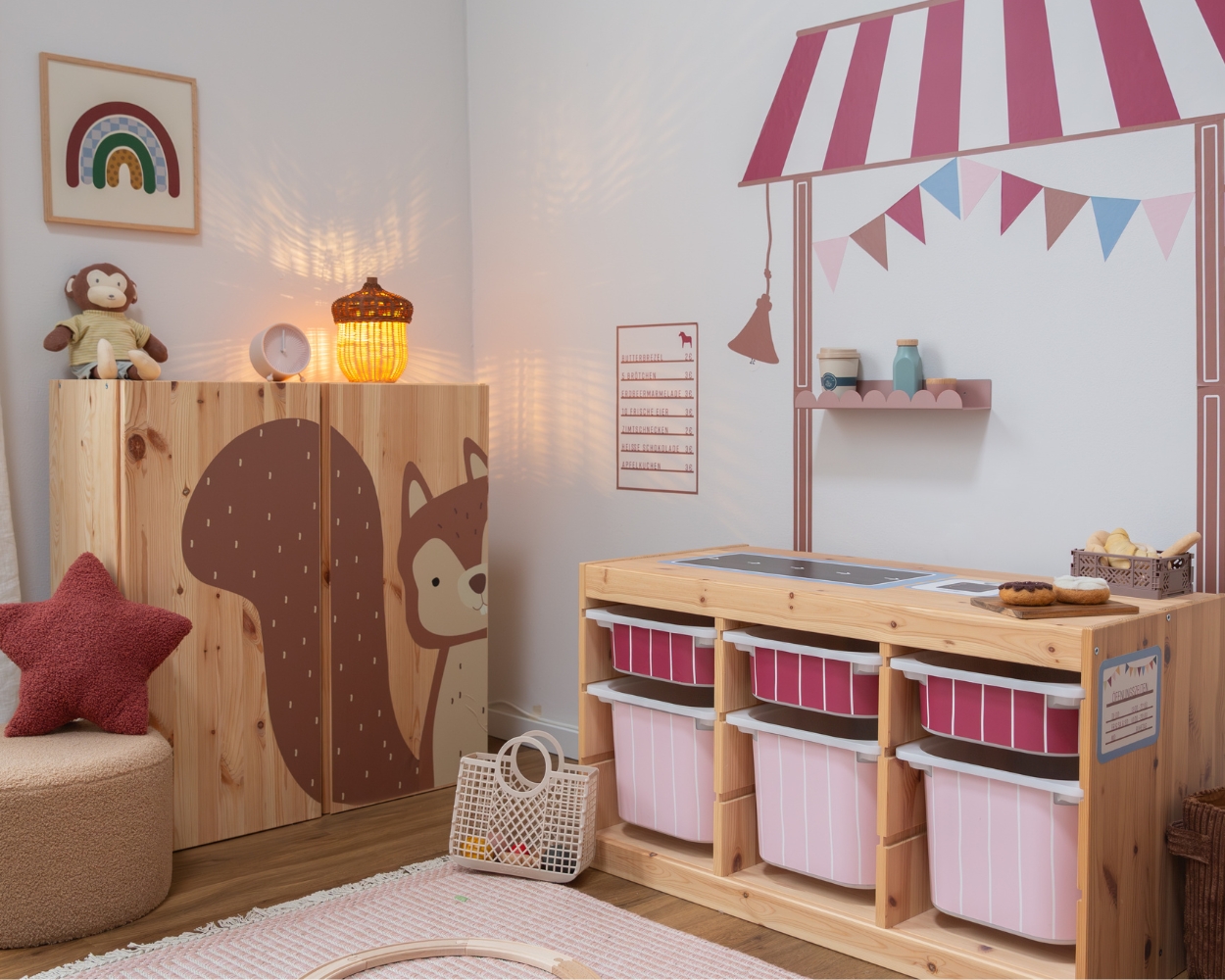
- Decorative storage space on the wall: Shelves on the wall save space on the floor and can be used to showcase beautiful things. Tip: Use wall foils to create cute shelves in the baby room.
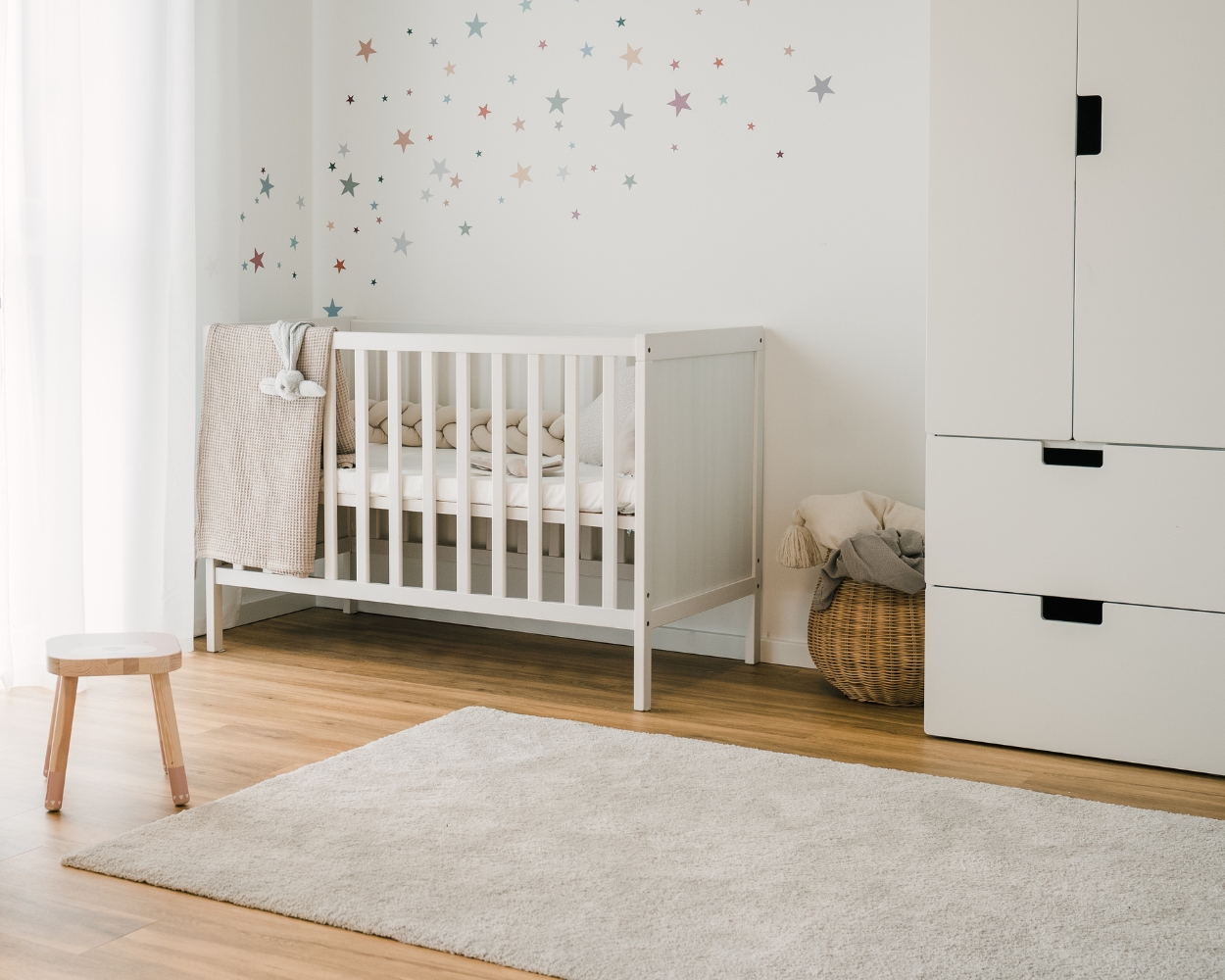
5. Carpet in the nursery
Carpets create a warm atmosphere in the room and ensure that your baby can play barefoot on the floor. It is best to choose models made from natural materials such as cotton or wool that do not contain any harmful substances. A high-quality natural carpet creates a cosy atmosphere in the nursery, promotes your child's health and stimulates their creativity. So don't hesitate to invest a little more money in a high-quality model – it's worth it!
Checklist for your rug in the nursery
- Natural materials: These are not only more environmentally friendly, but also healthier for your child. Synthetic carpets can contain harmful substances and cause allergic reactions.
- Easy cleaning: When choosing a carpet, look for durable materials that are easy to clean.
- Safety: When buying, make sure that the carpet is non-slip and does not pose a tripping hazard. Alternatively, you can place an anti-slip mat under the carpet. This is particularly important later on in the nursery, where little ones often romp around wildly.
- Child-friendly designs: Choose a carpet with a child-friendly design or pattern. This will turn your child's room into a place full of imagination and adventure. Even a plain carpet can look particularly beautiful in a nursery.
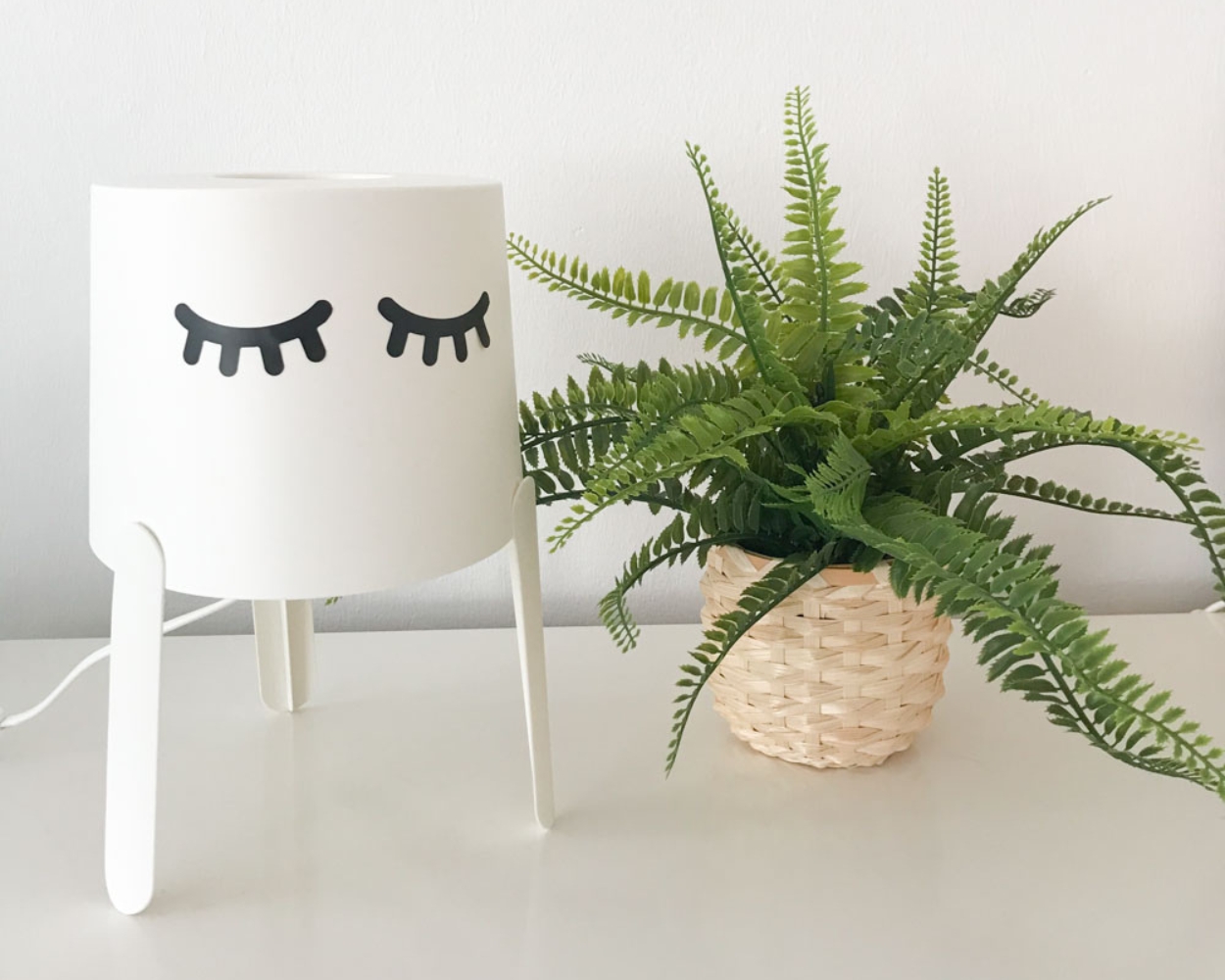
6. Lighting in the nursery
The right lighting in the nursery is important for your child's well-being. It should not be too bright, but also not too dark. A dimmable lamp or indirect lighting are ideal for this. Overall, the right lighting contributes significantly to your baby's well-being. With well-designed lighting, you can create a cosy atmosphere in the room and support your child's healthy sleep and daily rhythm.
Checklist for lighting in the nursery
- Avoid hazards: Make sure that the lamps are securely and stably mounted and do not pose a hazard.
- Indirect light: You should also make sure that the light does not shine directly into your baby's eyes. A good option is to install the light on the ceiling and fit it with a lampshade or cover. Night lights can also create a pleasant atmosphere and help to calm your baby as they fall asleep.
- Cosy colour temperature: However, make sure that the light in the nursery is not only functional but also cosy. A warm yellow or orange light creates a pleasant atmosphere for relaxing and falling asleep. If you decide to use LED lamps, you should choose a warm white colour temperature. This is particularly cosy and creates a comfortable atmosphere in your child's room.
- Save energy: Another important aspect when choosing the right light for the nursery is energy efficiency. Be sure to choose energy-efficient light bulbs – this will not only save you money but also help the environment.
- Strengthen rhythm with light: There are also special lamps for the nursery that come in different colours and brightness levels and can therefore support the natural day-night rhythm. These so-called "light alarm clocks" simulate sunrise and sunset and help your baby get used to a regular sleep rhythm.
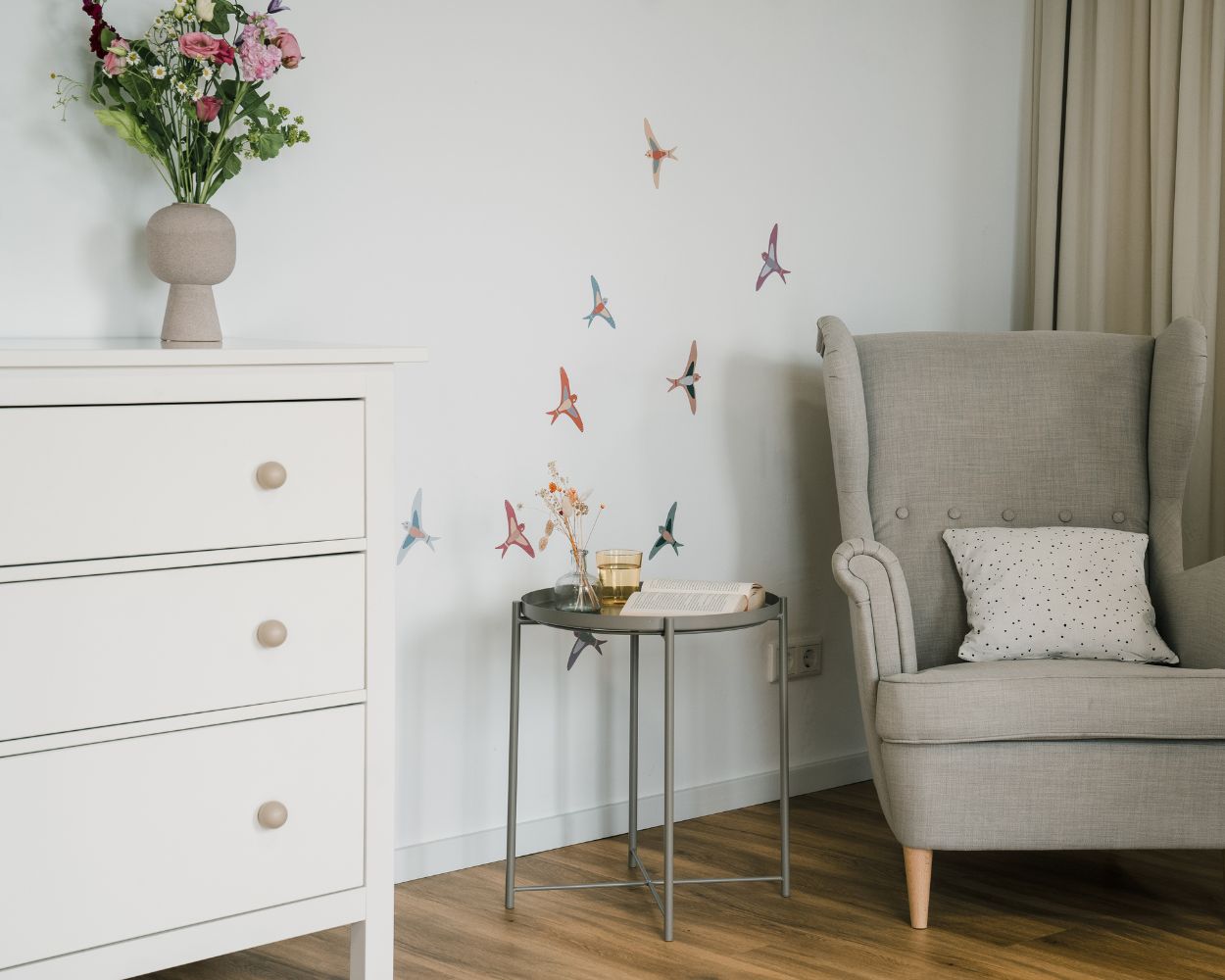
7. Decor & colours in the nursery
In addition to functional aspects, the design of the nursery should not be neglected. With a harmonious colour scheme and cute details, you can create a cosy retreat for your baby. And decorating is, of course, the most fun part.
Checklist for decoration and colours in the nursery
- Colour selection: Choose a soothing colour palette for your baby's room, such as pastel shades or soft natural tones. Avoid bright and overstimulating colours, as they may irritate your baby. Keep in mind that certain colours can have a calming effect, while others can be more energising. Take this into account when making your selection.
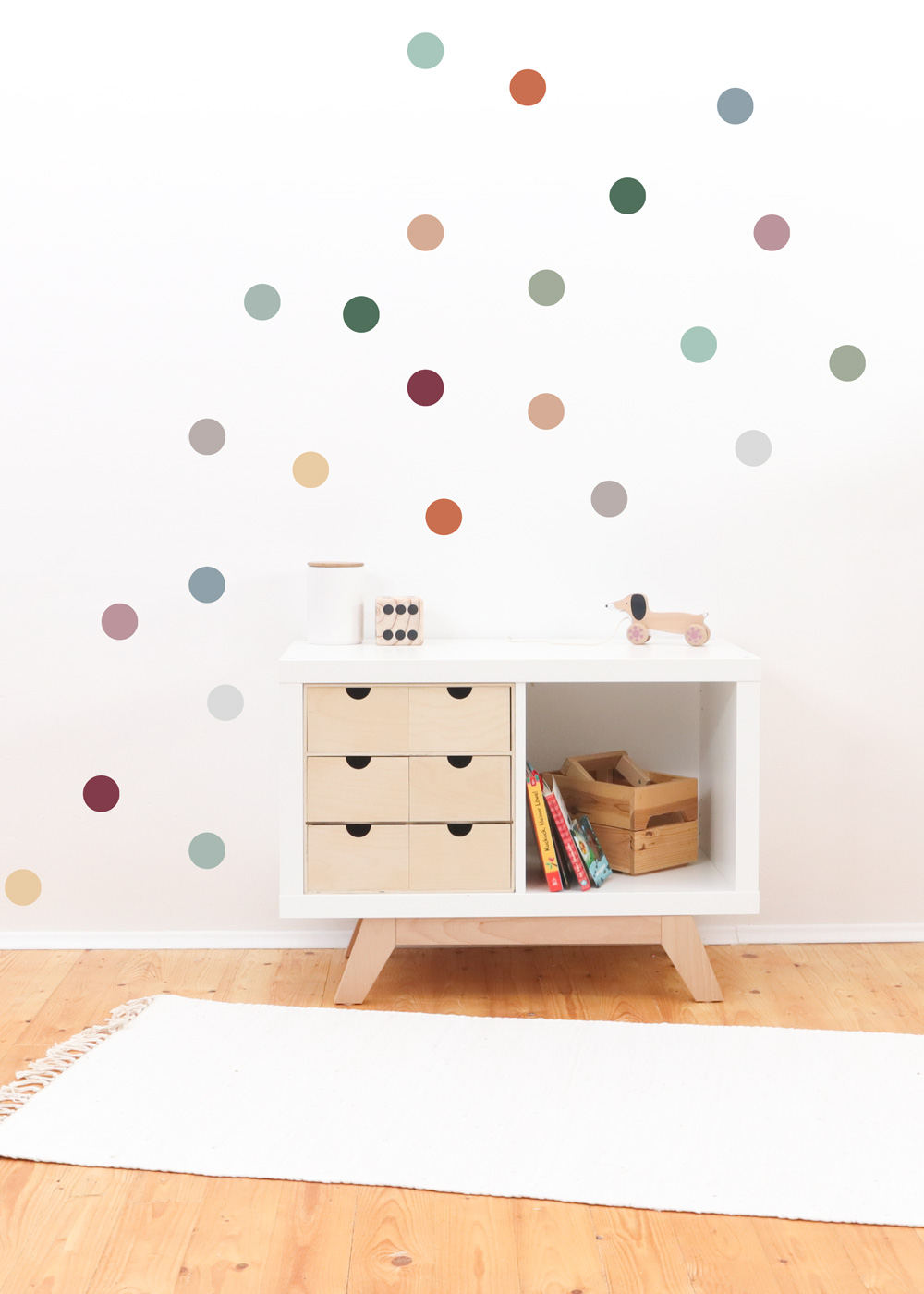
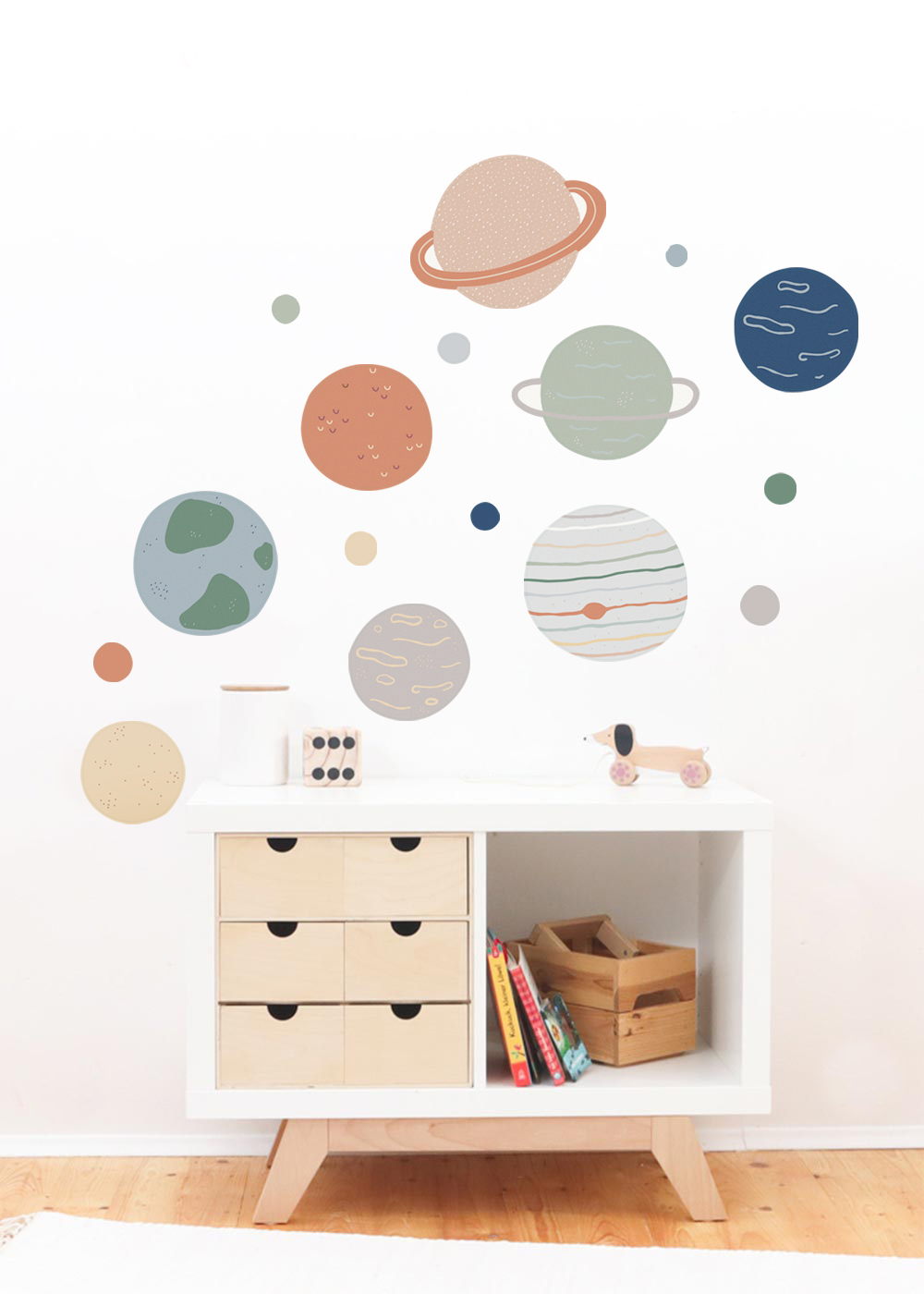
- Wall design: Opt for a neutral colour or subtle pattern as a background. Ideally, use washable paints or wallpapers that are easy to clean in case your baby smears something on the wall. You can also incorporate wall tattoos into the décor to spice up your room.
- Window decoration: Choose sheer curtains or blinds to let in daylight and create a pleasant atmosphere. Avoid long curtains with hanging cords or ribbons, as these could pose a potential hazard to your baby.
- Mobiles: Hang a mobile above your baby's cot to provide visual stimulation. However, this should be hung out of your baby's reach.
- Safety: Ensure that all decorative elements are secure and well attached to prevent them from falling or tipping over. Remove small items or decorations that could pose a choking hazard to your baby. Check the safety of decorative elements regularly.
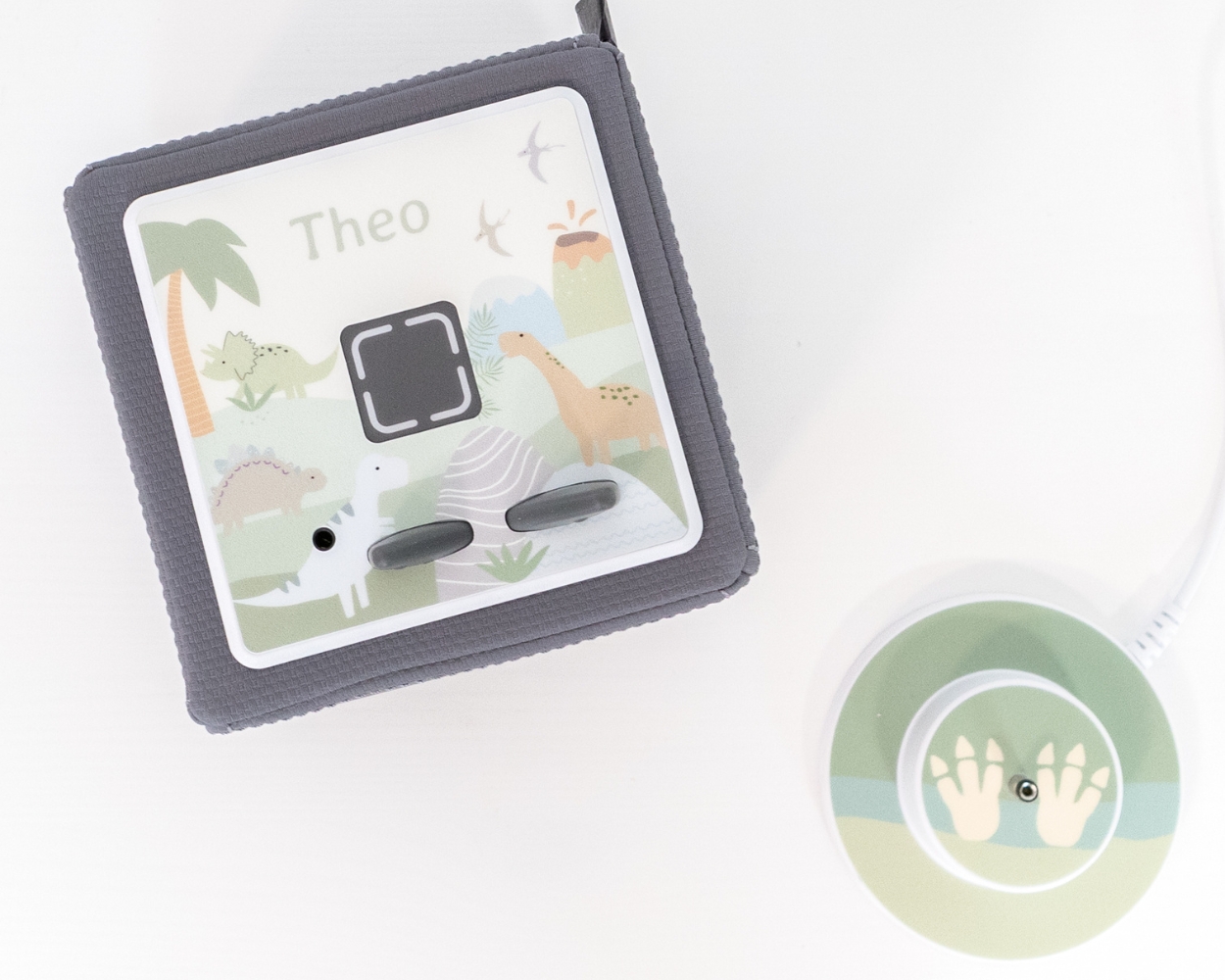
8. Music and sounds in the nursery
Music and sounds can have a calming effect on your baby. A gentle melody or the sound of a waterfall can help your child relax more quickly and fall asleep more easily.
Checklist for music and sounds in the nursery
- Choose the right music: There is special sleep music for babies that contains various natural sounds such as birdsong or the sound of the sea. Just try it out!
- The dose makes the poison: Make sure that the music is not too loud and that there is no continuous sound. Too much noise can damage your baby's hearing and cause unnecessary stress.
- Device safety: The music source should also be securely installed – ideally out of your baby's reach. A Toniebox is also a good idea. This sound system is specially designed for children and will accompany you throughout your child's childhood with its fun characters. You can personalise your Toniebox with matching protective films.
9. Safety in the nursery: what you should pay attention to
Having a baby in the house brings with it many responsibilities and tasks. While it is important that your baby has a cosy and safe place to sleep, you also need to think about safety when setting up a nursery. A checklist can help you ensure that your baby is well cared for and safe in their room.
Checklist for safety in the nursery
- Reduce the risk of injury: Start by choosing furniture with rounded edges to minimise the risk of injury.
- Secure electrical sockets: Remove any objects that your little ones could reach and ensure that cables and plugs are protected by safety clips.
- Furniture stability: Make sure you choose stable furniture that cannot easily tip over – especially wardrobes and chests of drawers. These should ideally be fixed to the wall.
- Curtain No risk: You also need to be careful when choosing window coverings. Avoid curtains or blinds with long ties or cords, as these can pose a strangulation hazard.
- Secure toys and decorations: To avoid strangulation risks, do not hang any dangling toys or other objects on the wall near your baby's bed. You should also avoid having too many or too large pillows, blankets or cuddly toys in the cot.
- For emergencies: For added safety, you can install smoke detectors and have an emergency plan ready for all family members. You should also check whether your home has a fire extinguisher and whether it is easily accessible. A first aid plan for babies is also a good idea.
- Check regularly: Check all furniture and appliances regularly. Make sure everything is stable, remove any unsafe items and test the smoke detectors. Then you'll be well prepared for a safe baby's room!
