







How do I furnish my child's room properly? 7 tips and tricks
How do I furnish the nursery correctly? 7 tips and tricks
This is where our little ones should feel completely at home, have space to play and be able to develop freely... we are, of course, talking about the children's room! After all, a stimulating environment not only promotes creativity, but also motor and mental skills. In a suitable space, children can really immerse themselves in play and develop their personalities. But many parents are at a loss. How do I set up the nursery correctly? Don't worry: we have 7 valuable tips and tricks for you!
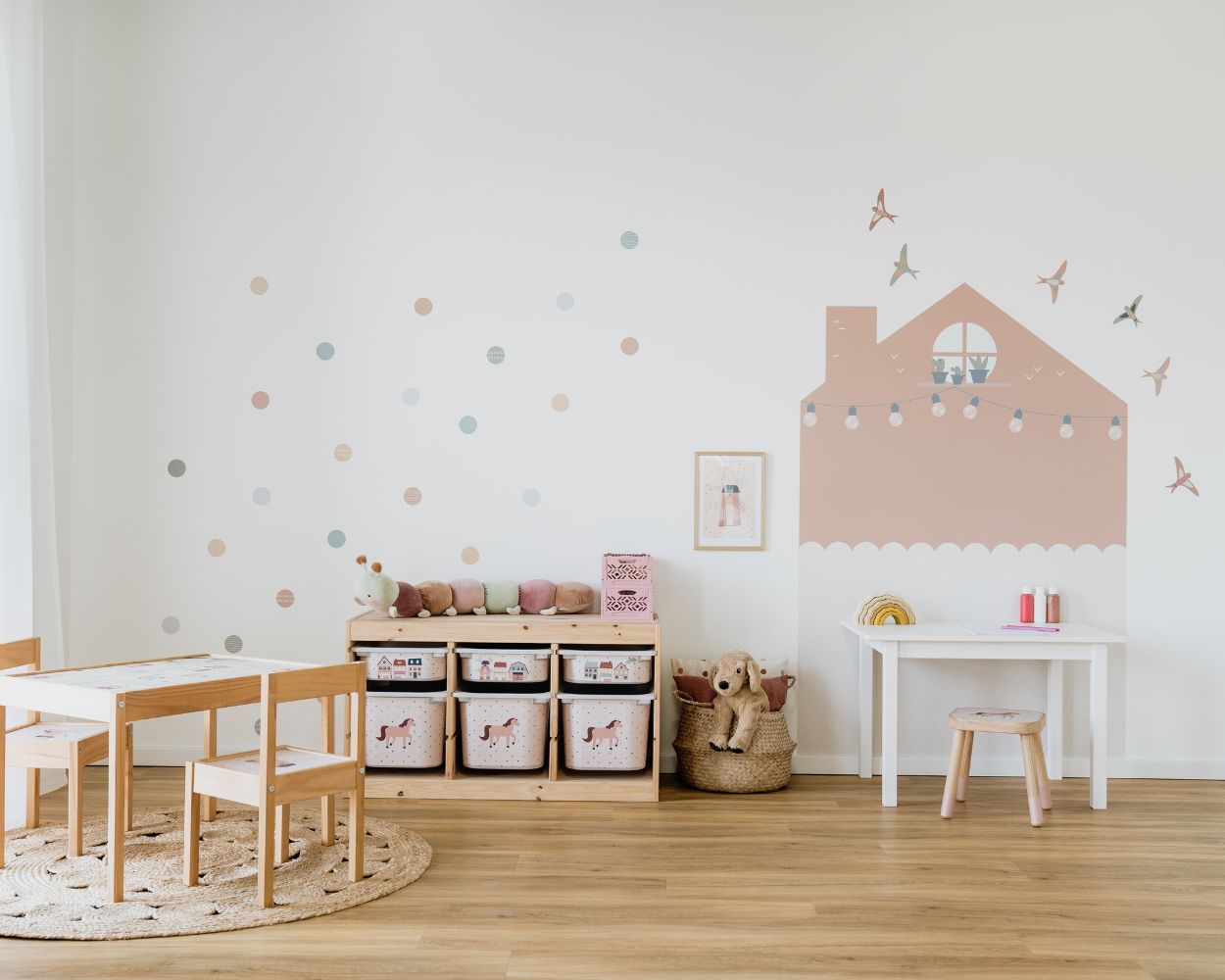
Tip 1: Open space for creative freedom
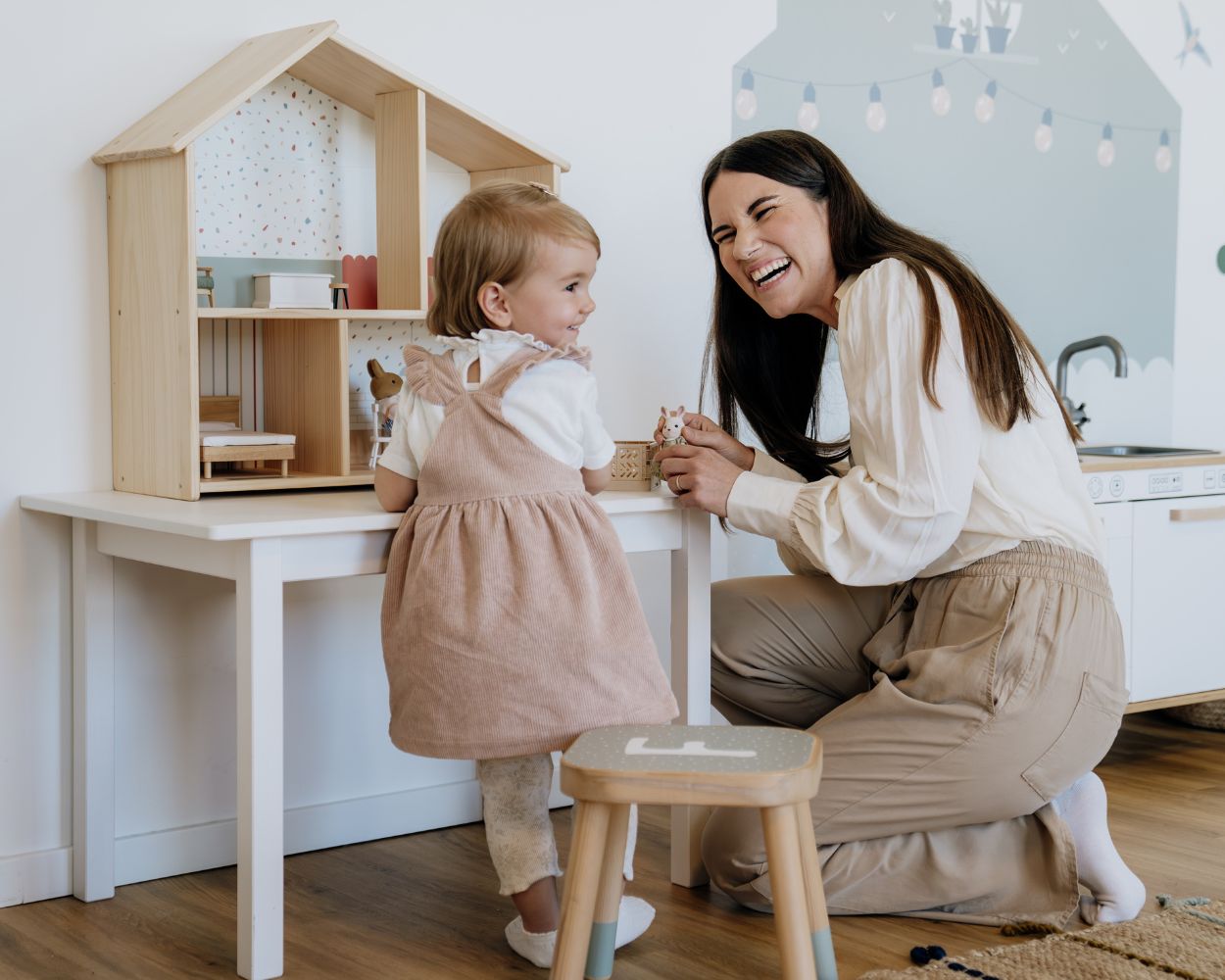
Very important: your child needs enough space to play freely. This is the only way to promote optimal development. A children's room that is crammed with furniture and toys offers no space for personal development. So, how do I furnish the children's room properly? A play rug is a good solution. Here, your child can really immerse themselves in play without getting cold on the cold floor.
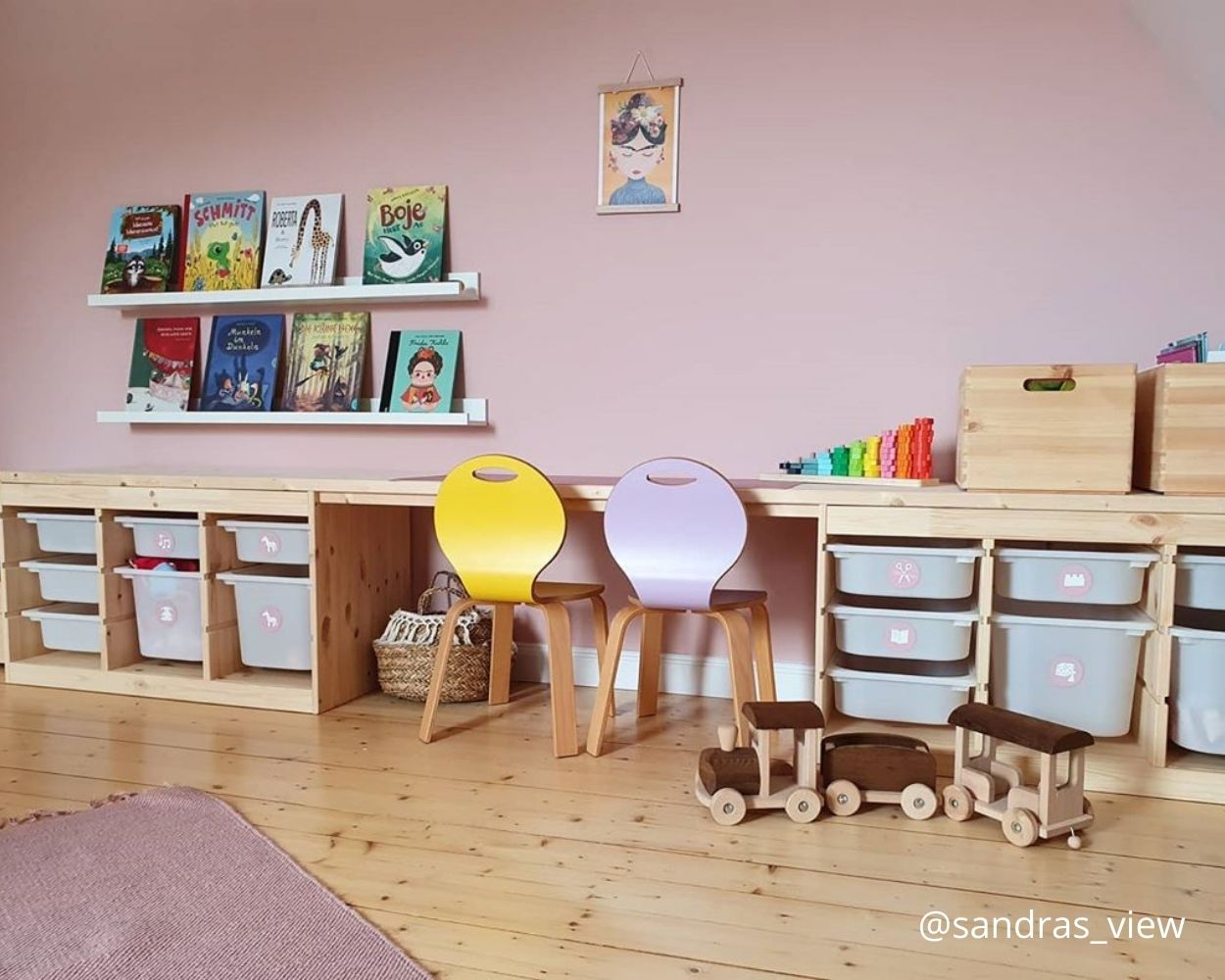
Tip 2: We need enough storage space!
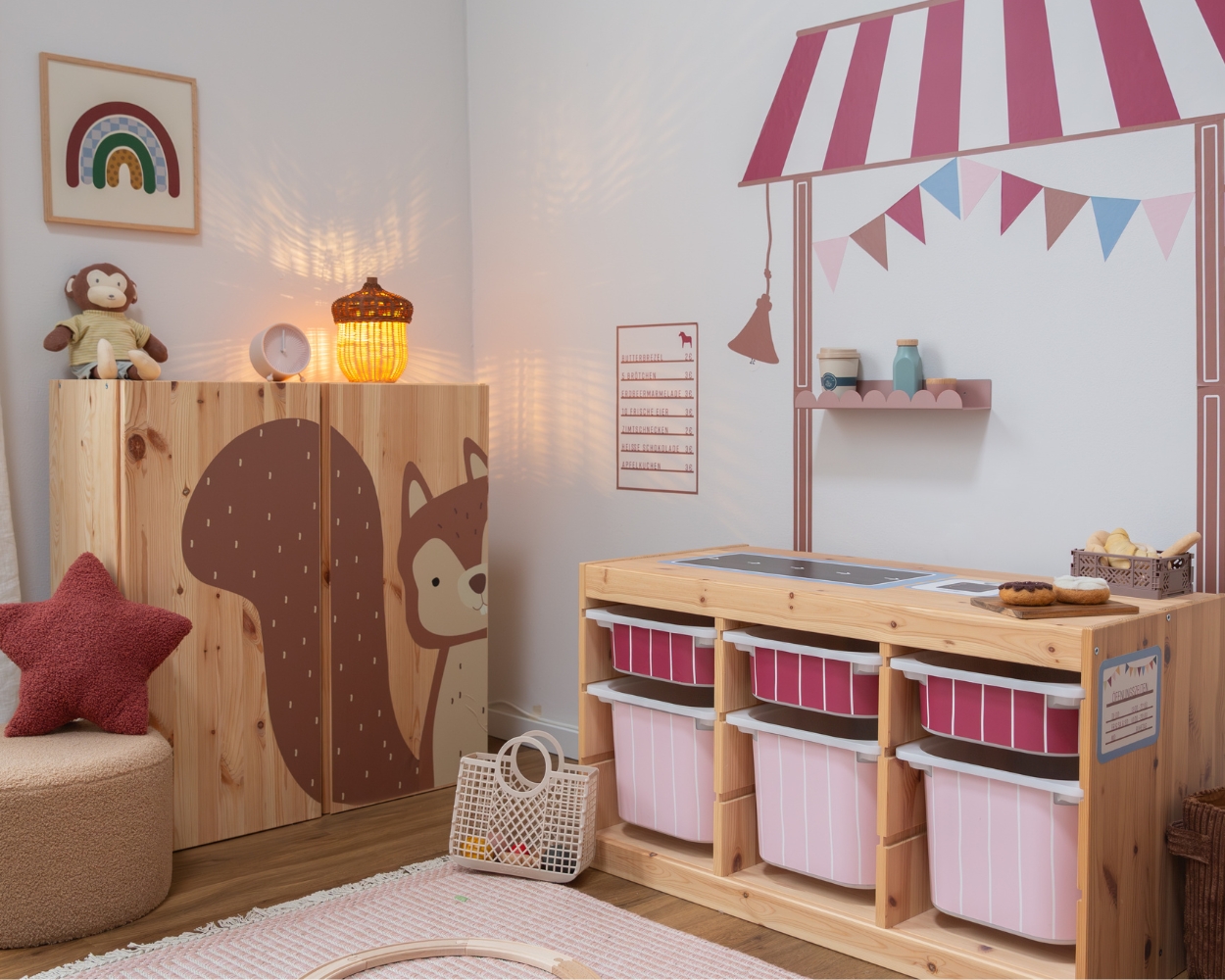
To make sure you have enough free space, you naturally need enough storage space for all those lovely toys. When it comes to the question of how to furnish a child's room properly, you can of course be creative. We really like this option: the TROFAST shelf from IKEA is a playing surface and storage in one. It saves space and offers plenty of storage space. And ideally, the storage space should be designed so that everything can be tidied away as quickly as possible. Our organisation stickers make this very easy: the symbols show which toys belong in which box. This means that even the youngest children can help with tidying up.
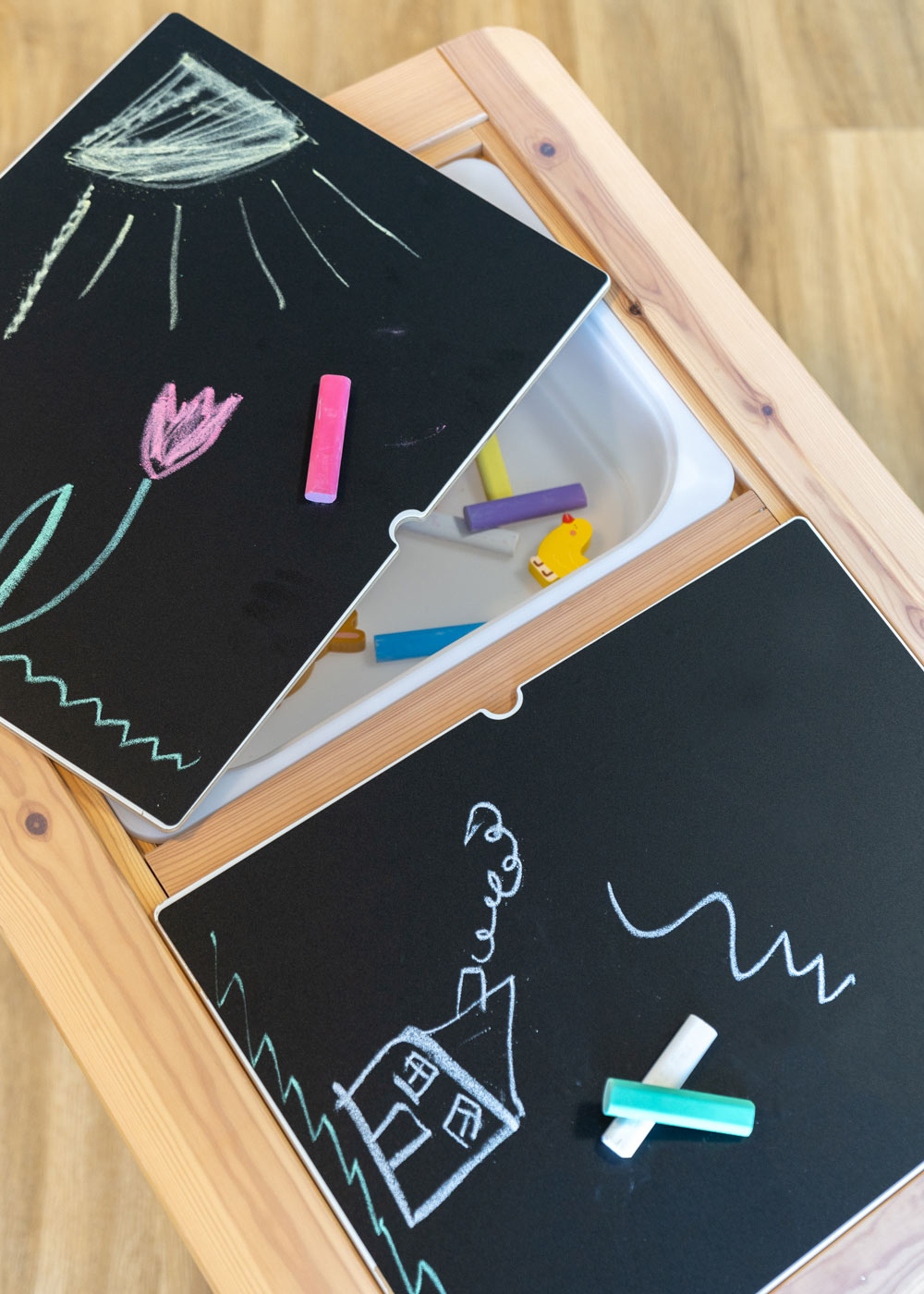
Tip 3: A children's table encourages creativity
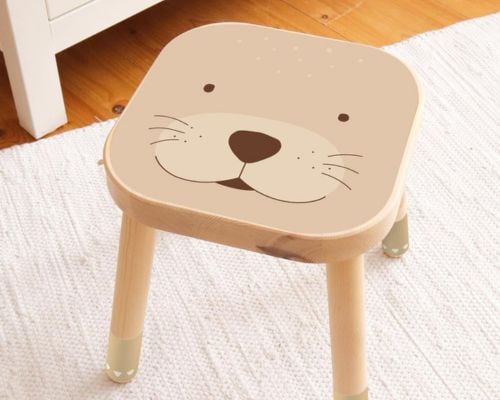
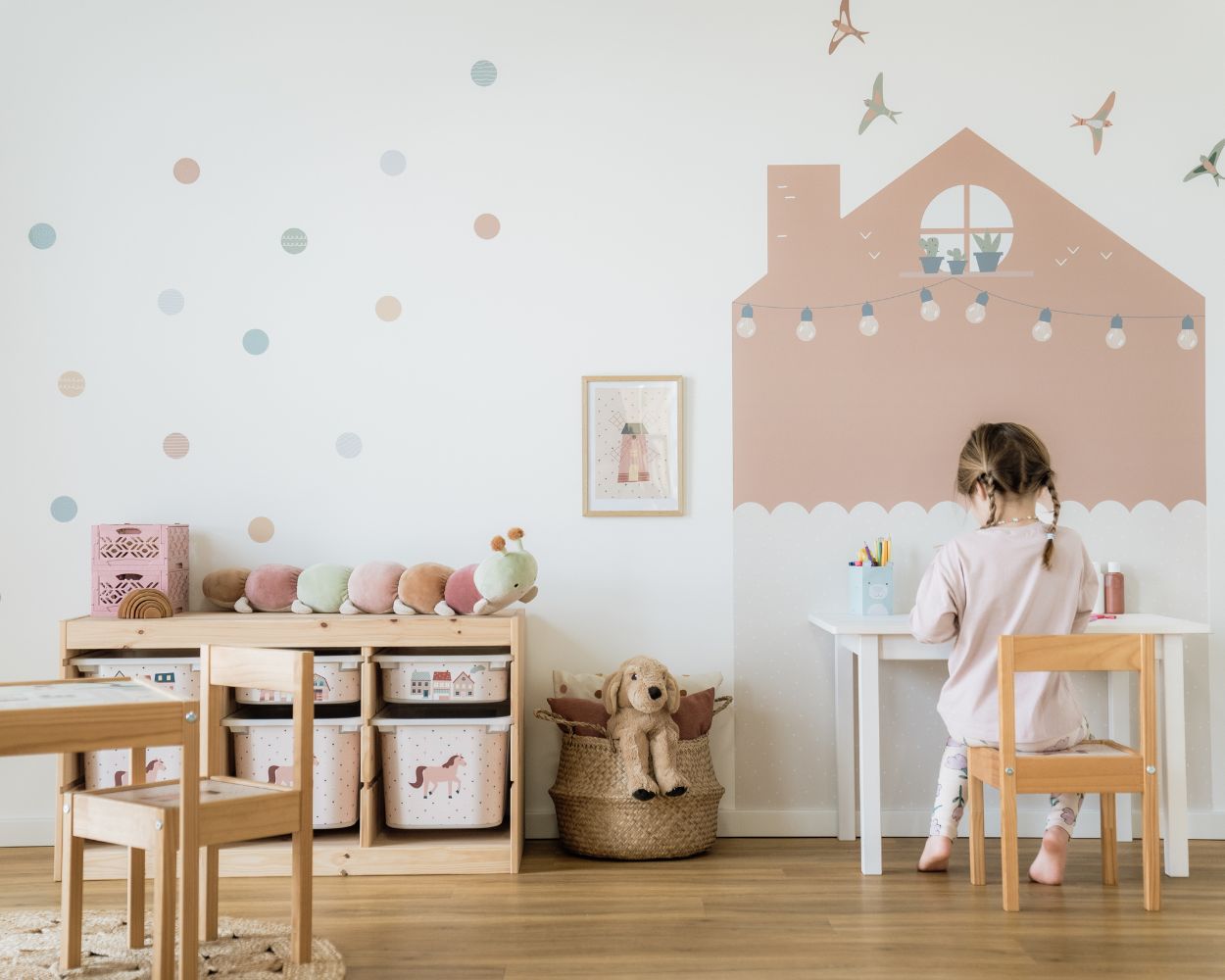
Of course, you can also do crafts and paint at the dining table... but with a small table that is the right size for children, little hobby artists are much more independent. This means that painting equipment can be used spontaneously – and your child can express their creativity however they like.
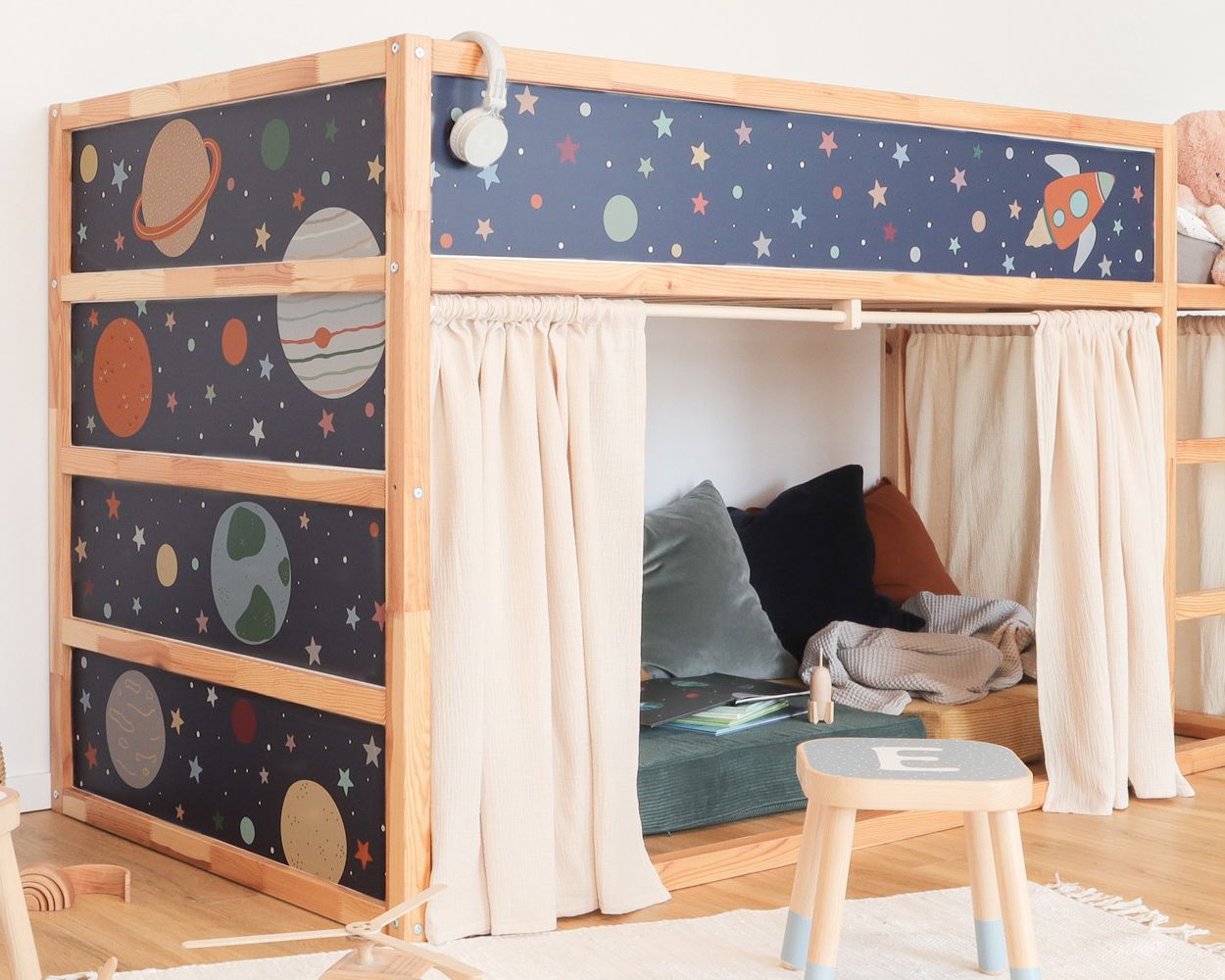
Tip 4: Retreat! A hideaway for little adventurers
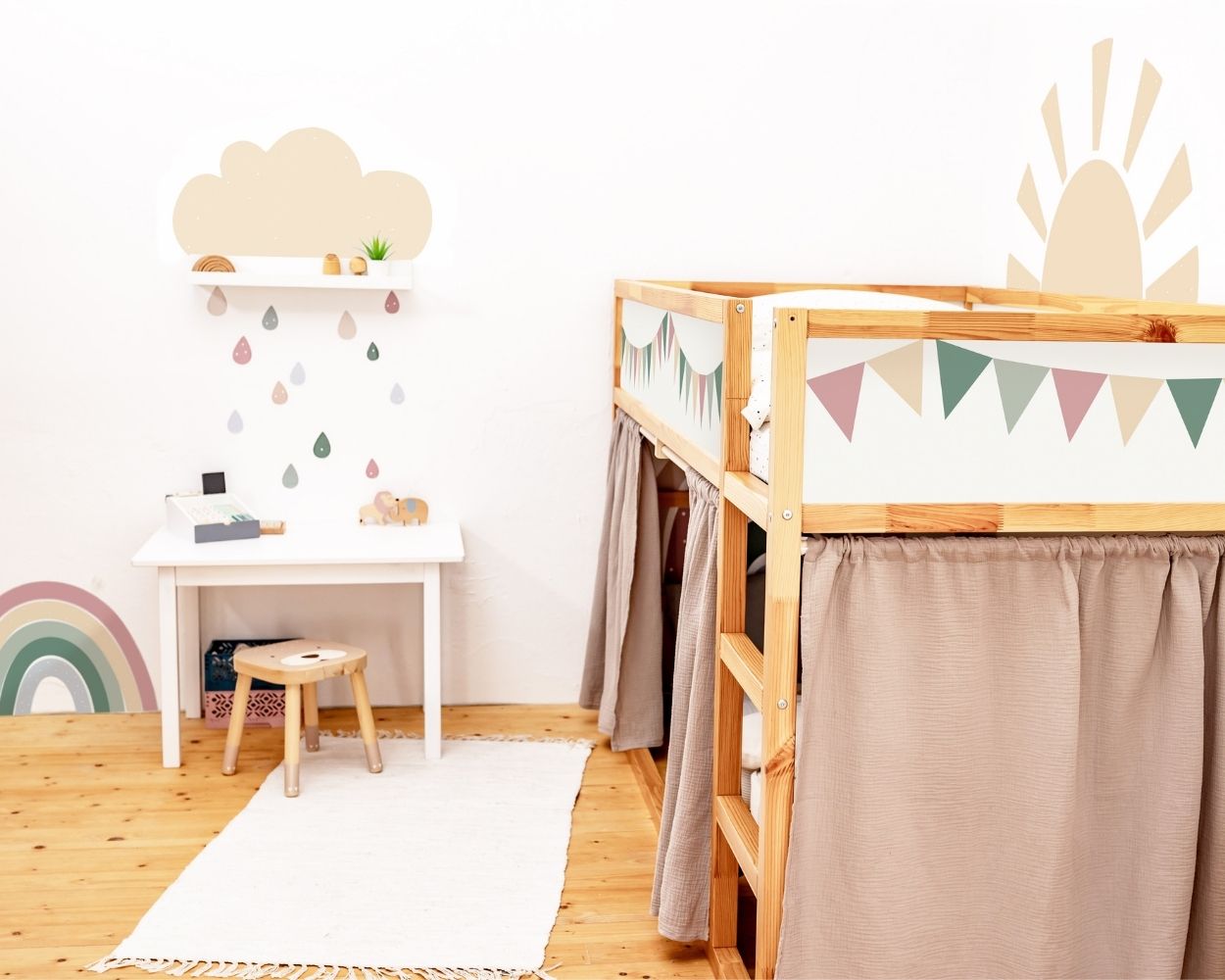
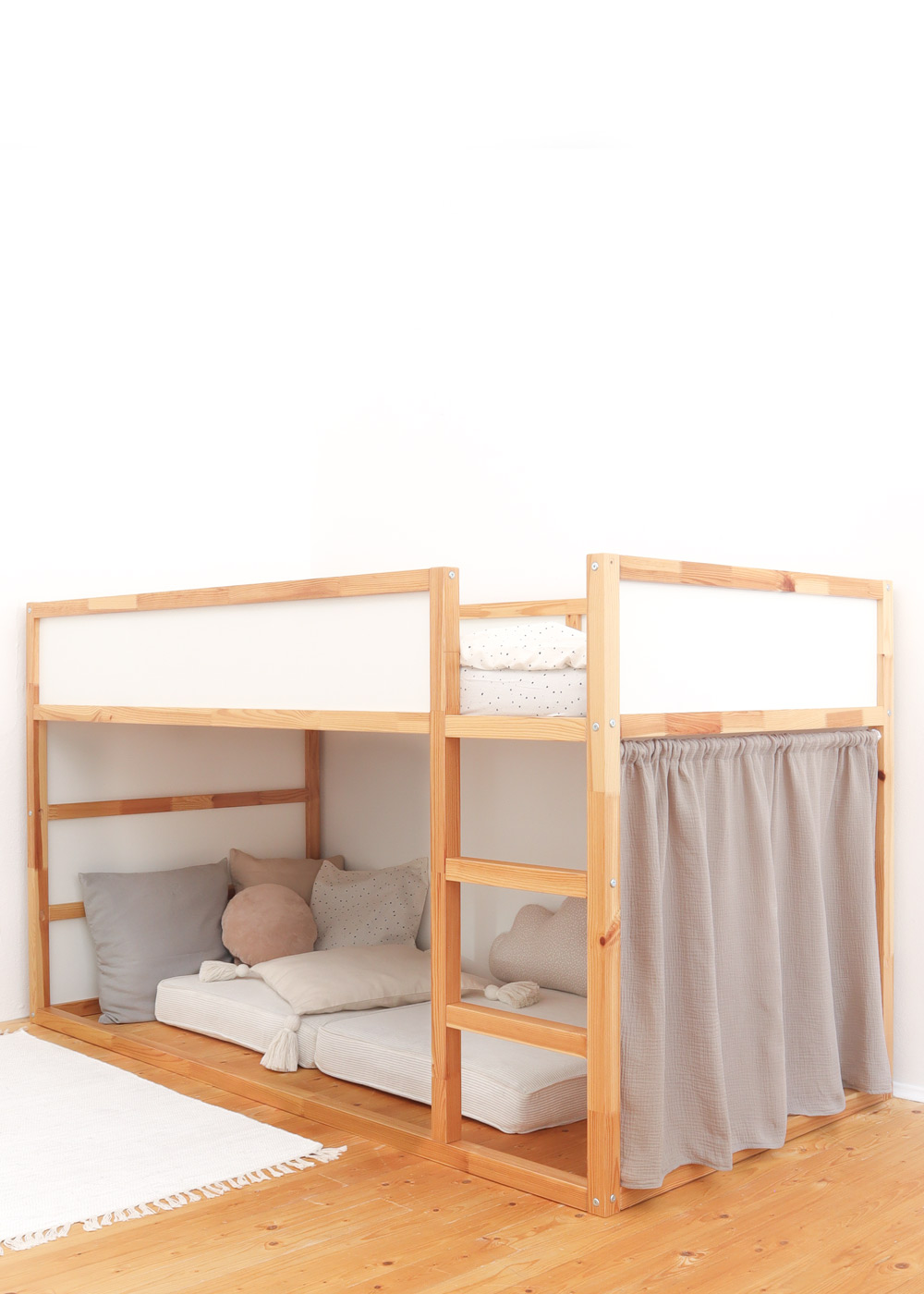
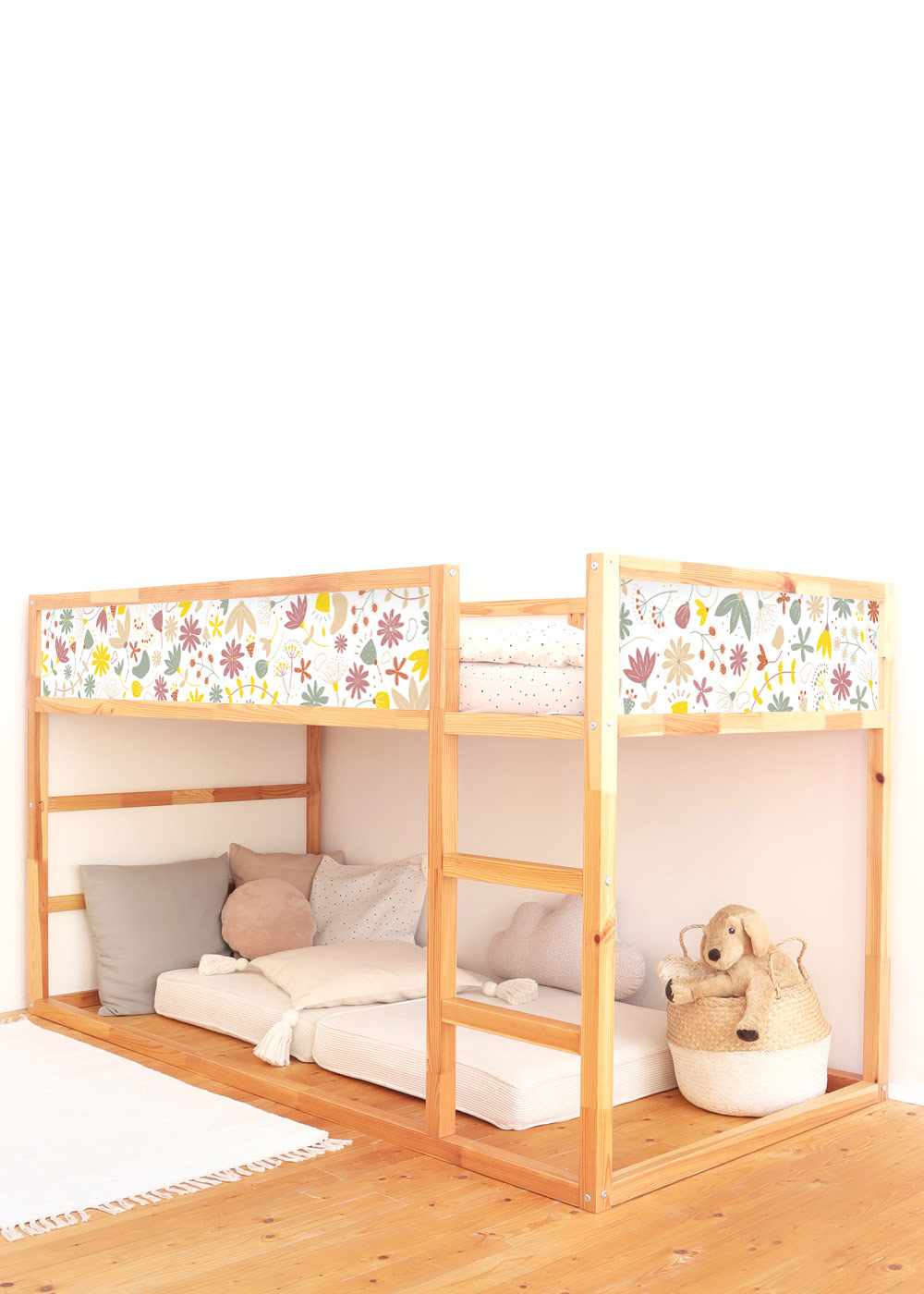
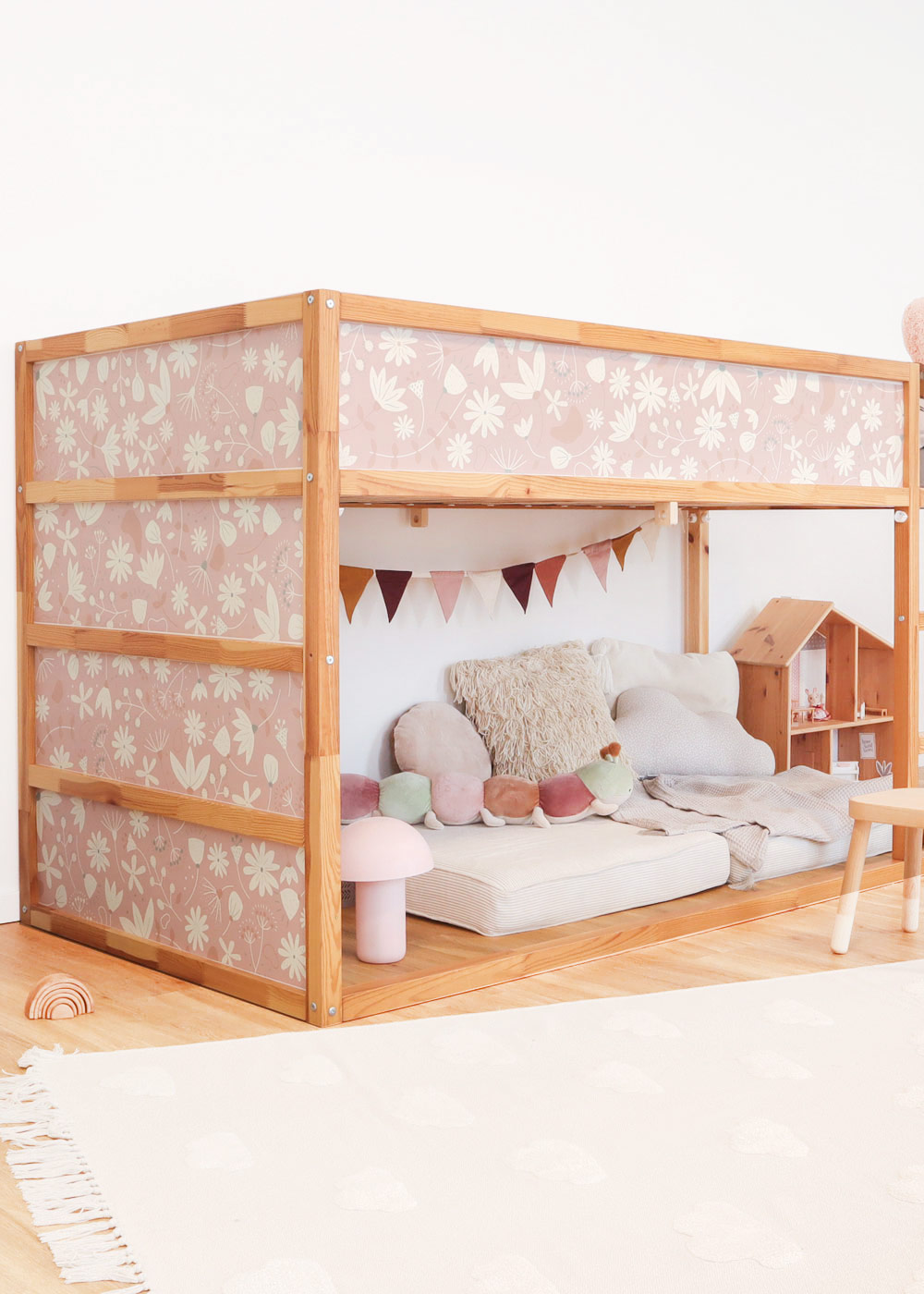
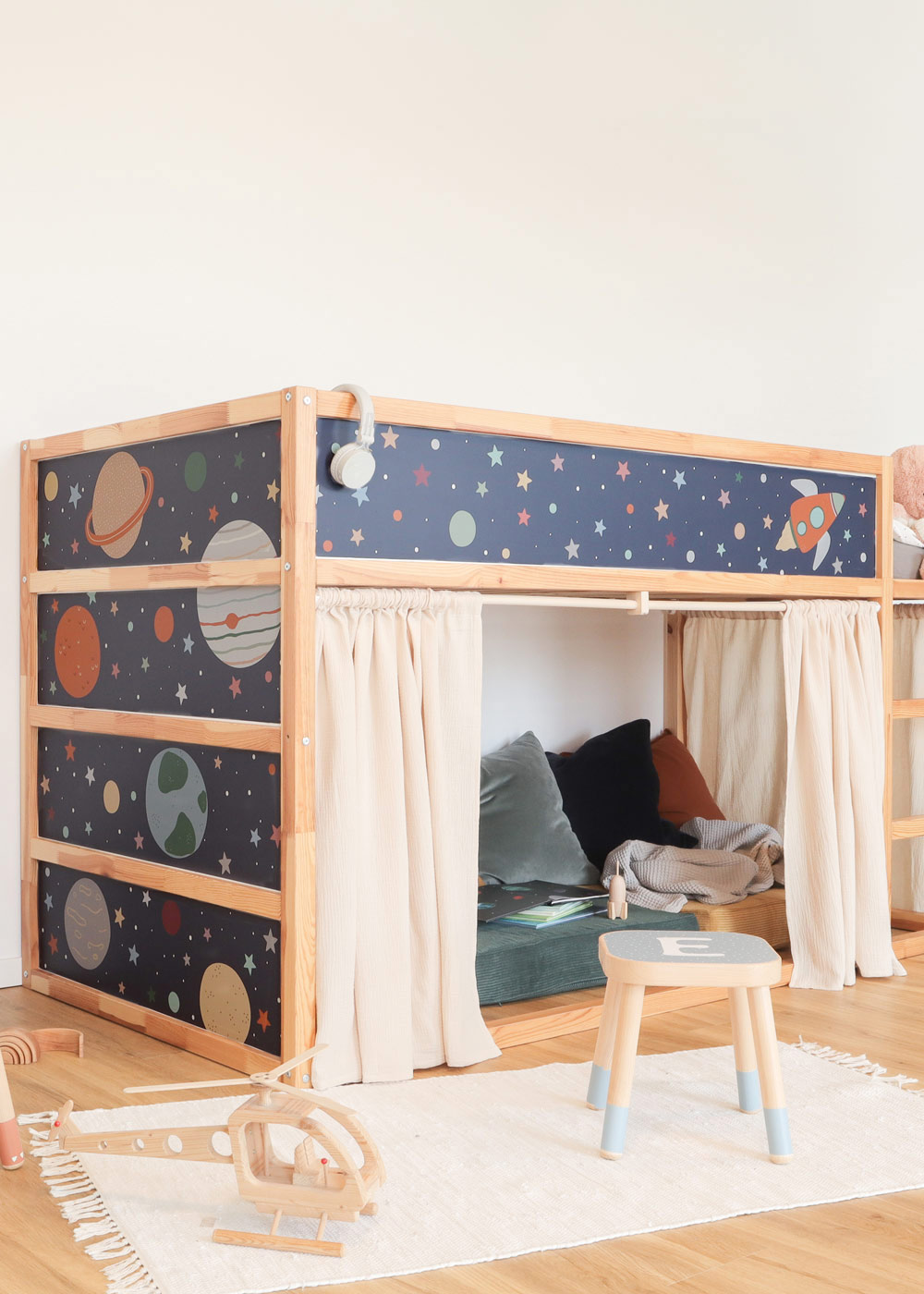
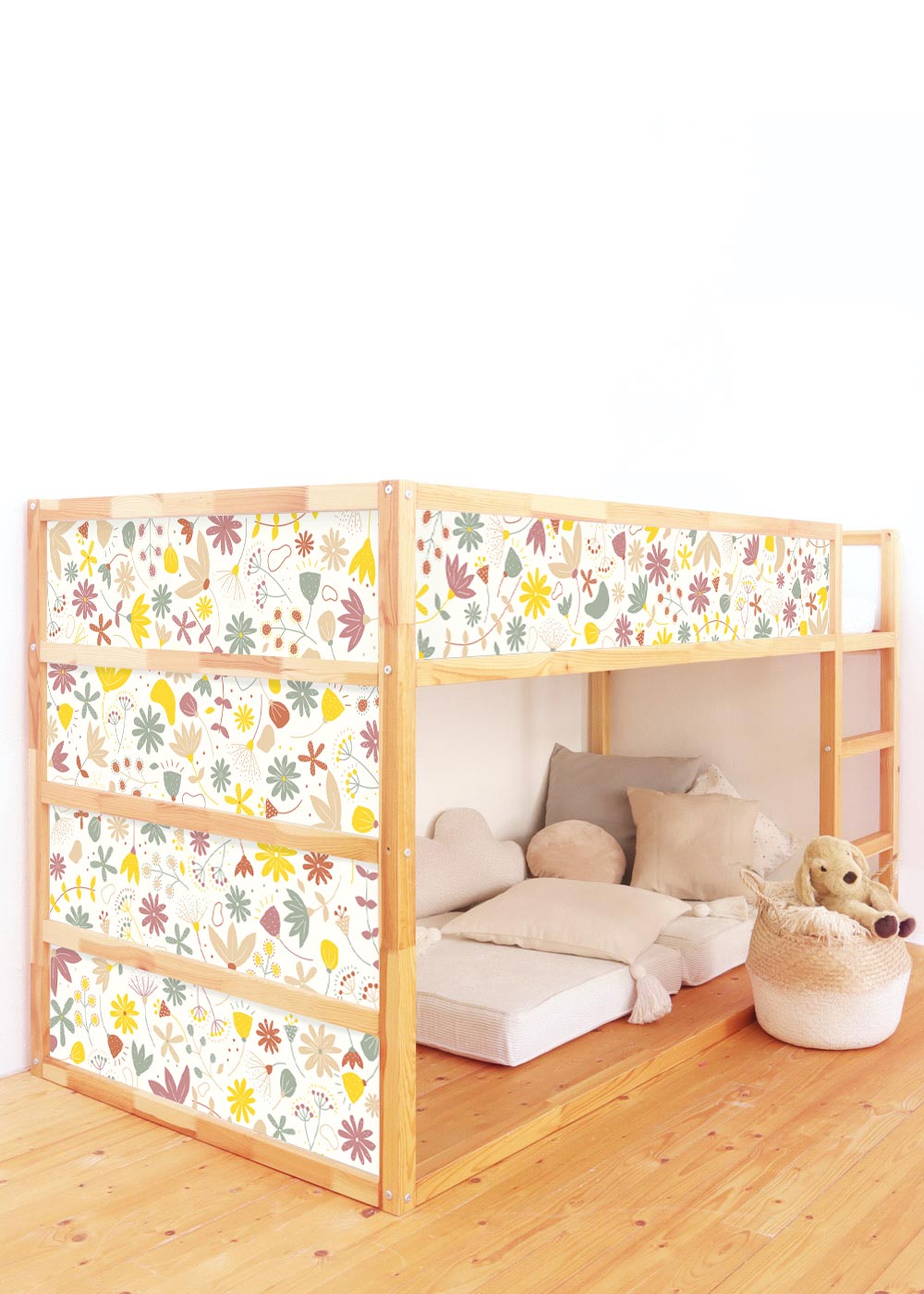
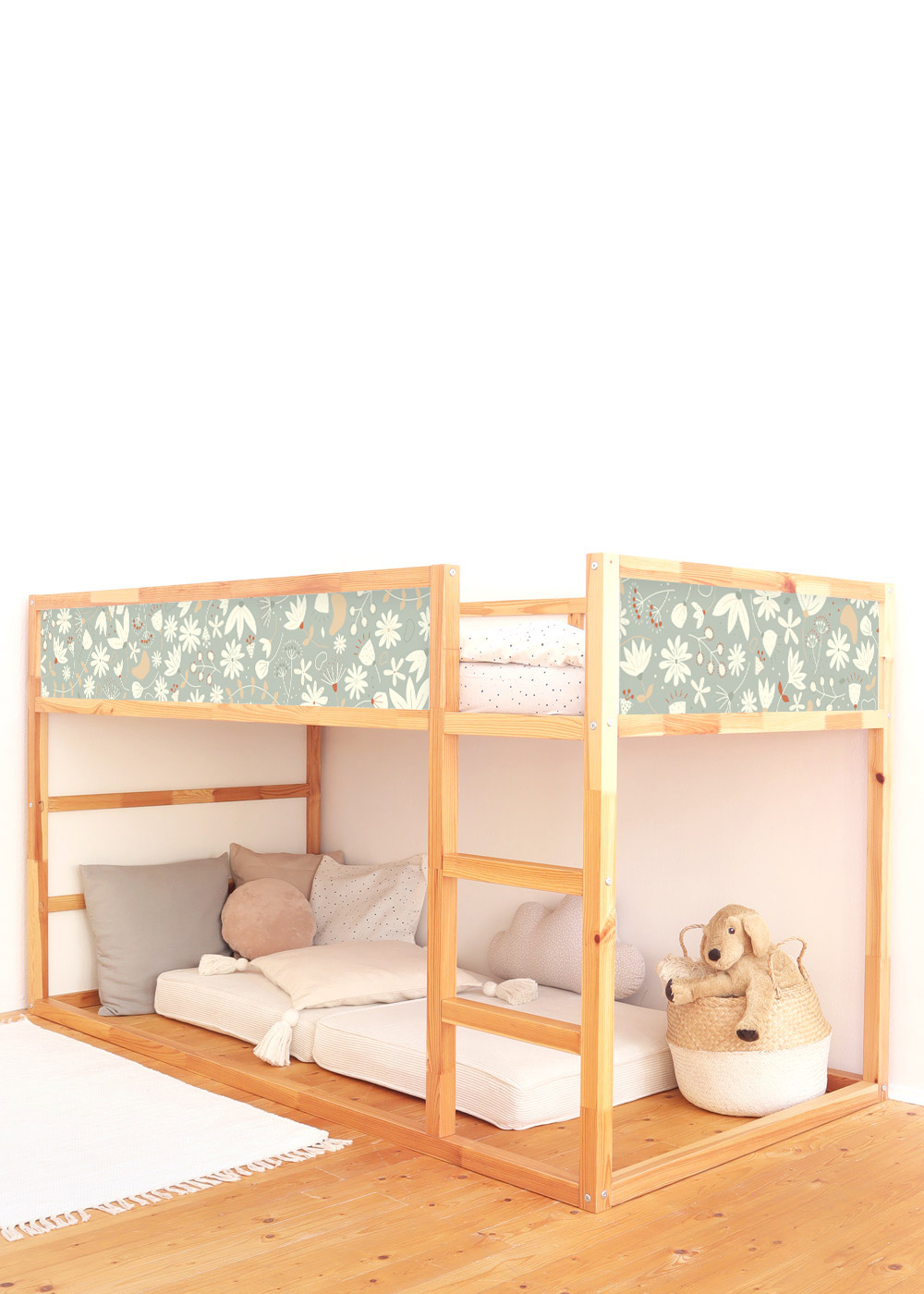
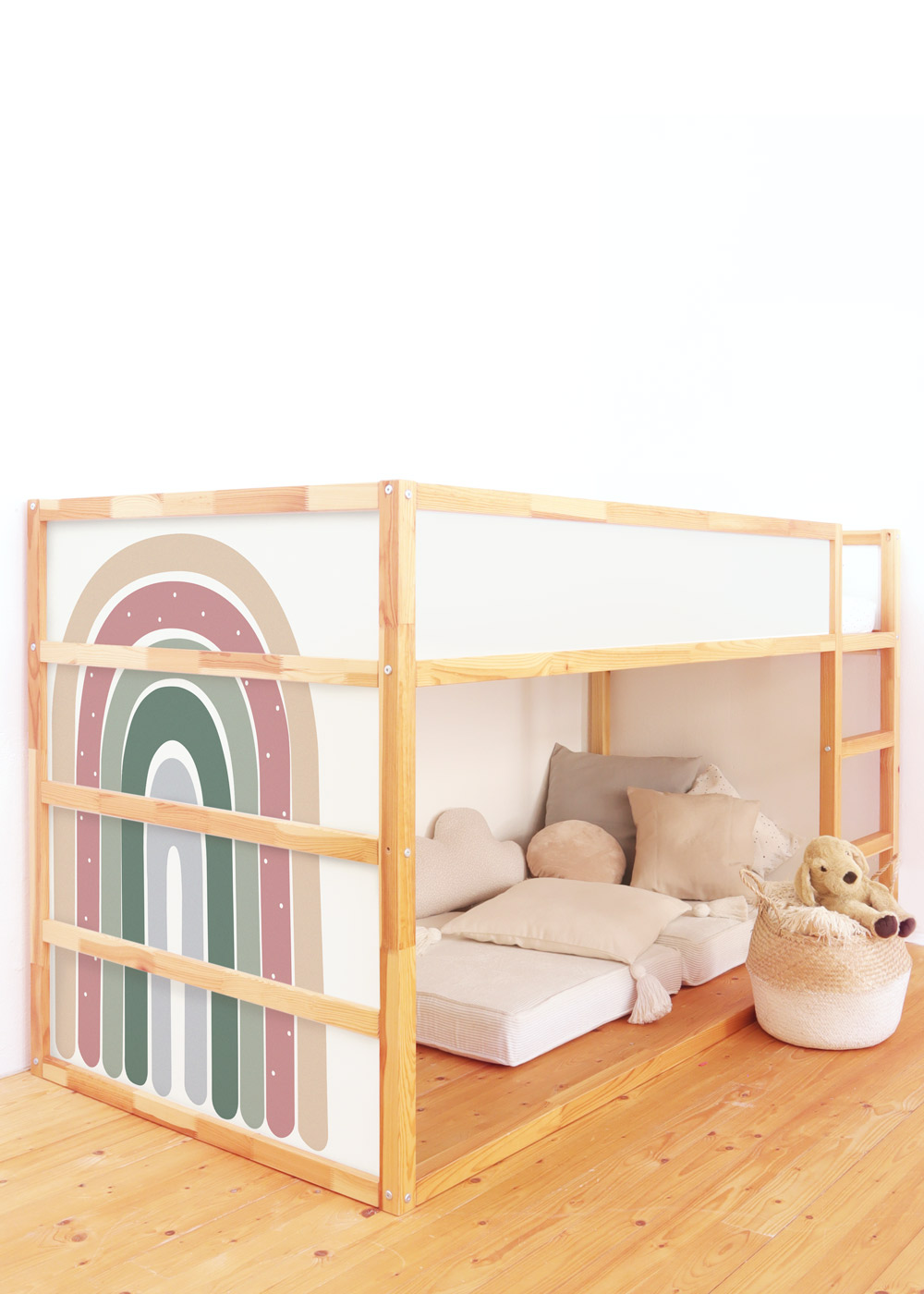
'Come on, let's build a den!' Do you remember that? For generations, building a little cave has been one of the most popular children's games. It's a place where you can hide, be invisible and make yourself comfortable. With our curtains for the KURA bunk bed, you can conjure up a hideaway in just a few minutes.



Tip 5: Bright colours have a cheerful effect
Even though many adults prefer to use muted colours and minimalist styles in their interior design, children love bright colours! Especially when they are still young. And that's a good thing, because colours not only encourage creative play, they also influence our mood. Purple, for example, stands for creativity and emotional balance. Our dear Angelina painted the cosy corner of her nursery in a bold purple – the white clouds provide an exciting contrast. It makes you want to curl up and get cosy, doesn't it?
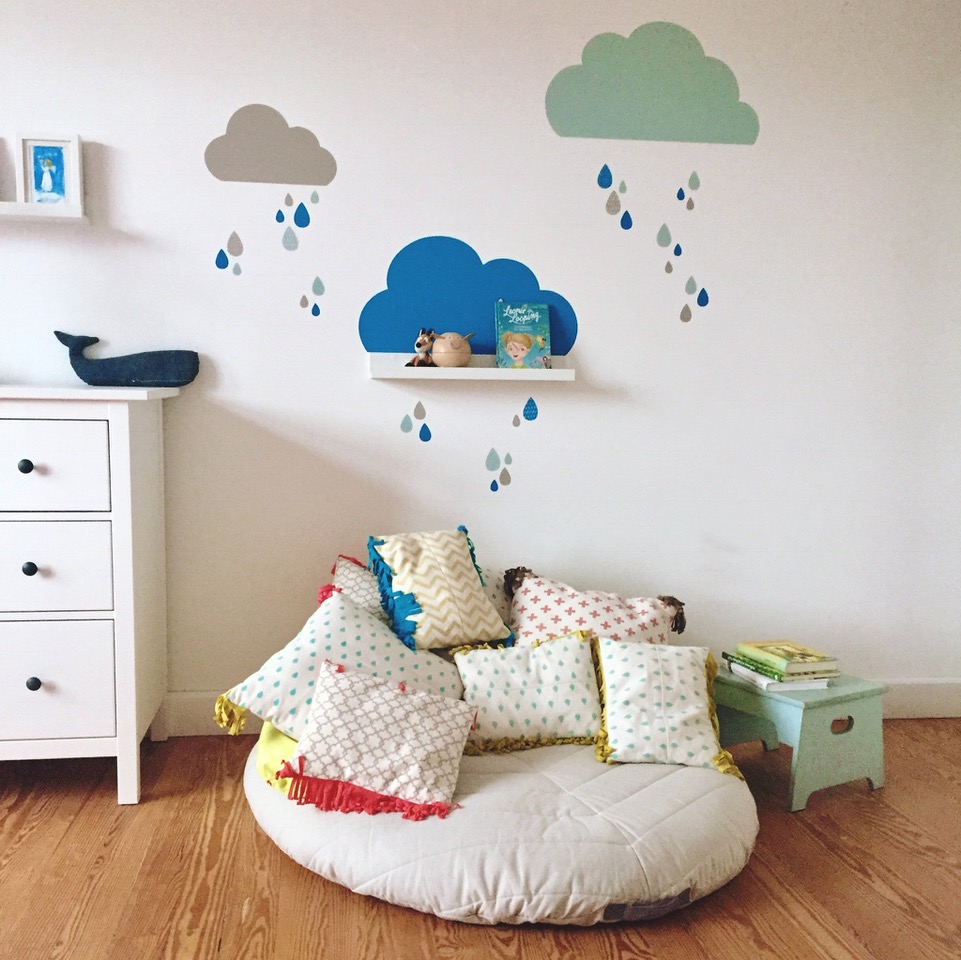
We are also delighted with Stephanie's cute reading corner. It's a lovely place to sit and browse through your favourite picture book. As you can see, even a white wall can be made stimulating with a few small accents – our colourful wall tattoos help with this.
Tip 6: Keep books within easy reach – even for children
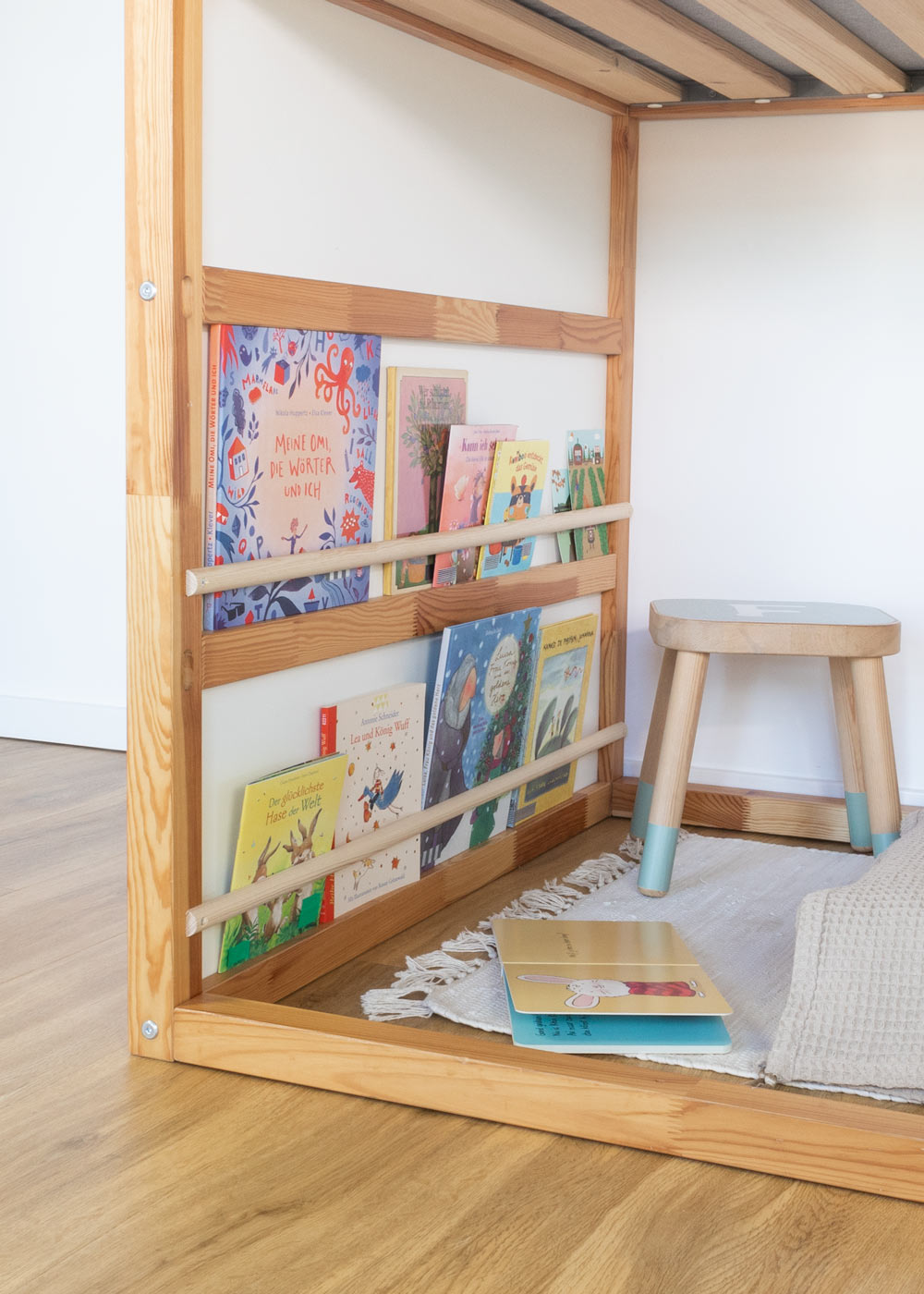
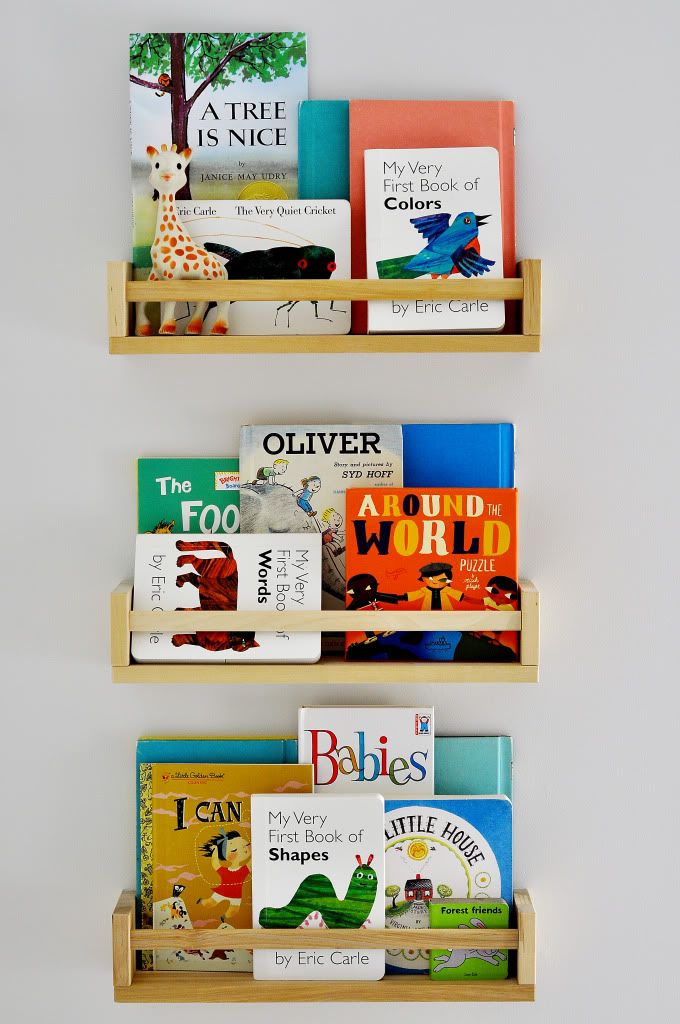
It's frustrating when you want to read your favourite book but can't reach it. And climbing up to get it yourself can be quite dangerous. So it makes more sense to keep children's books within reach of little bookworms. Incidentally, the BEKVÄM spice rack from IKEA is perfect as a bookshelf for children. This way, their favourite stories are always in view – and can't fall out.
Image source: @melissasabra
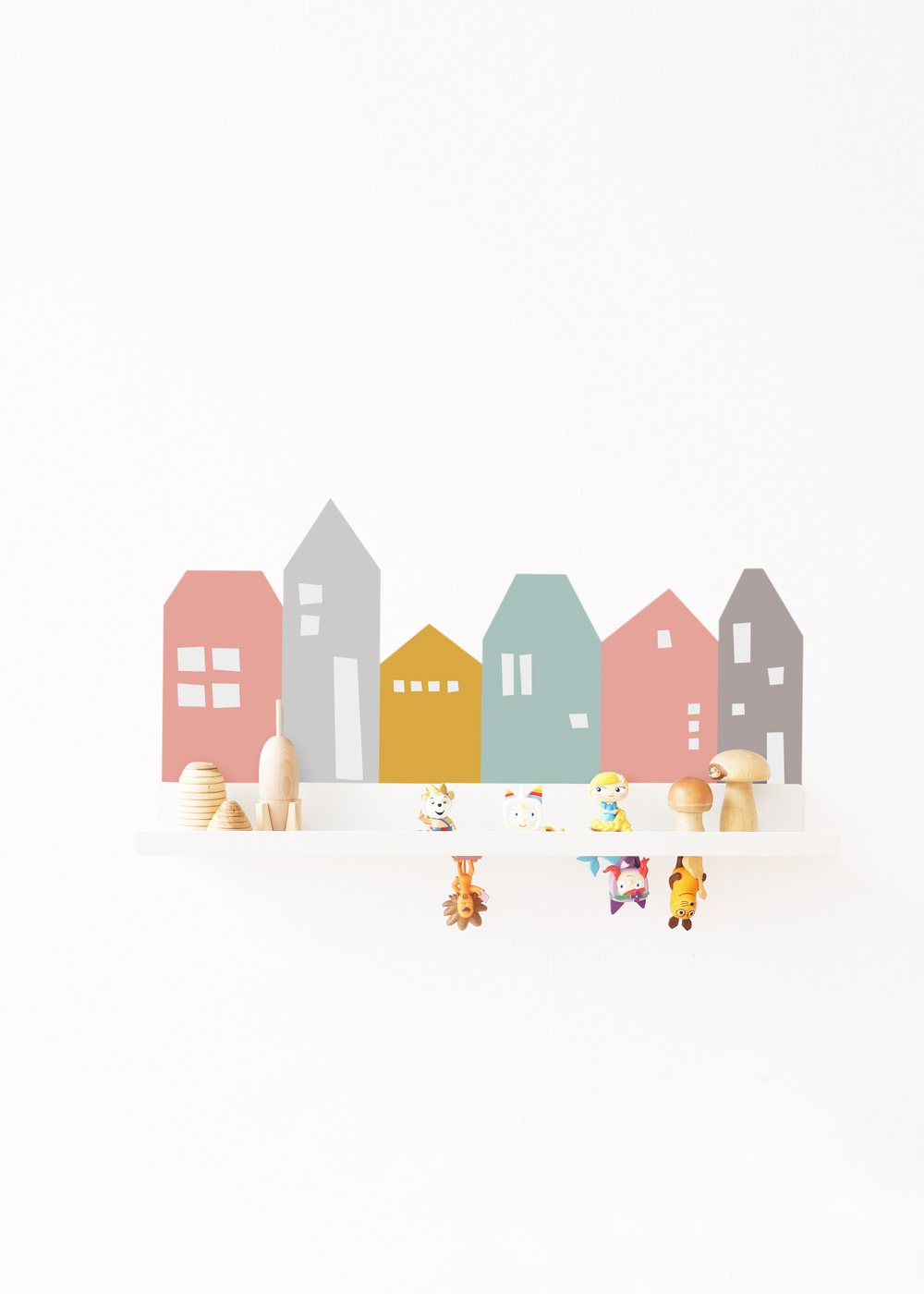
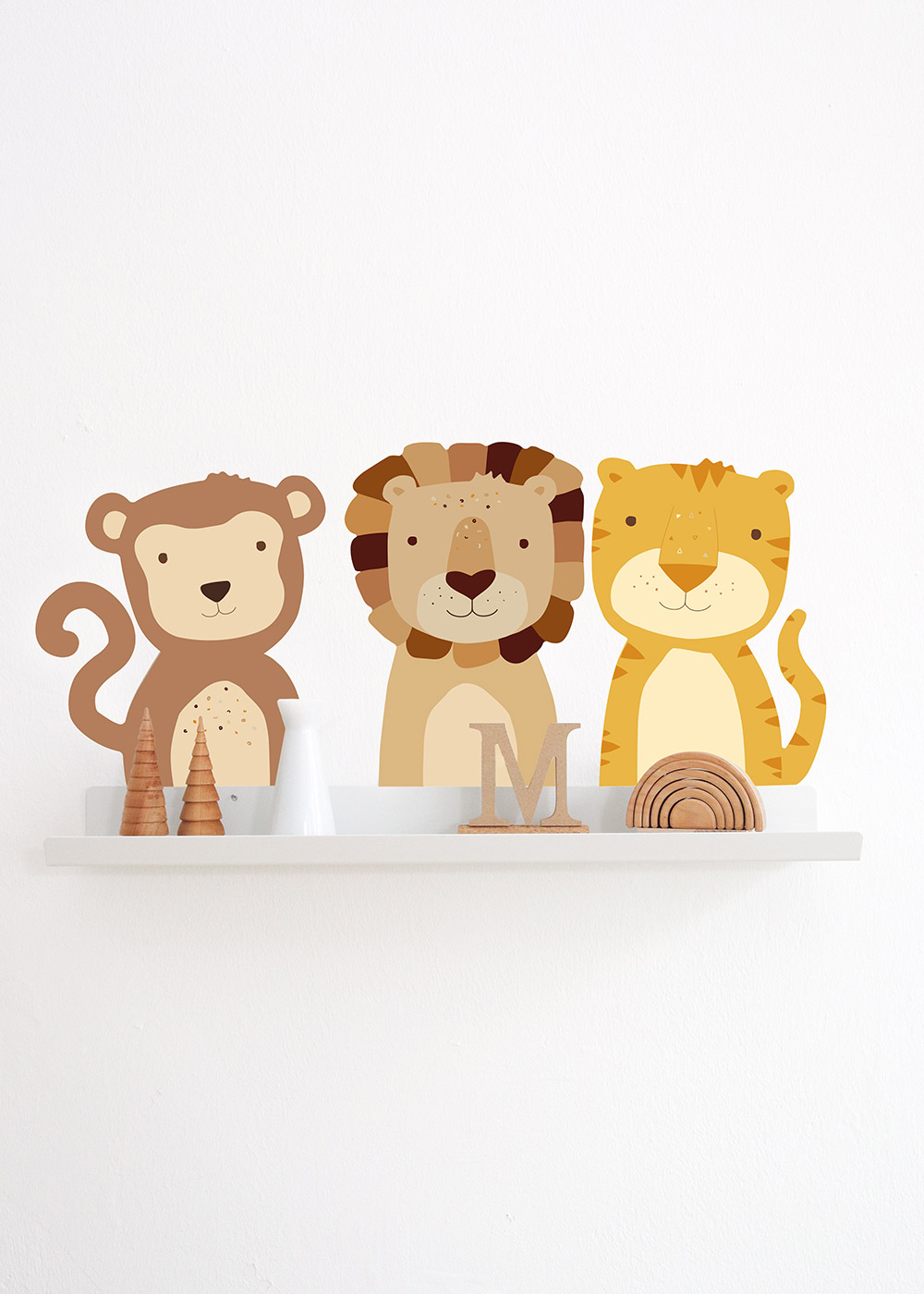
Another great idea for a homemade bookshelf for children is an IKEA picture ledge with matching wall stickers from Limmaland. This allows you to create both decoration and storage space at the same time.
Tip 7: How do I set up the nursery correctly? Montessori!
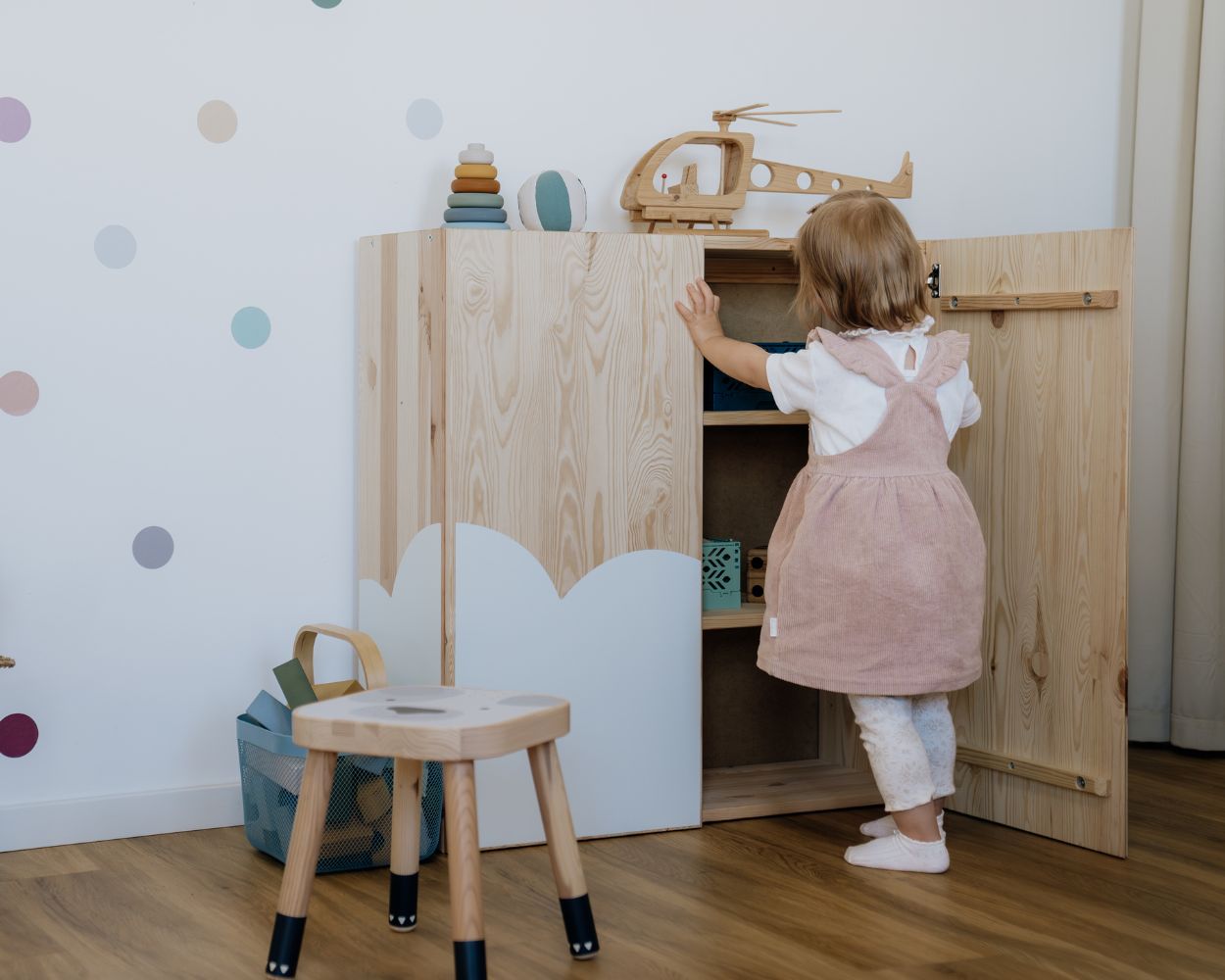
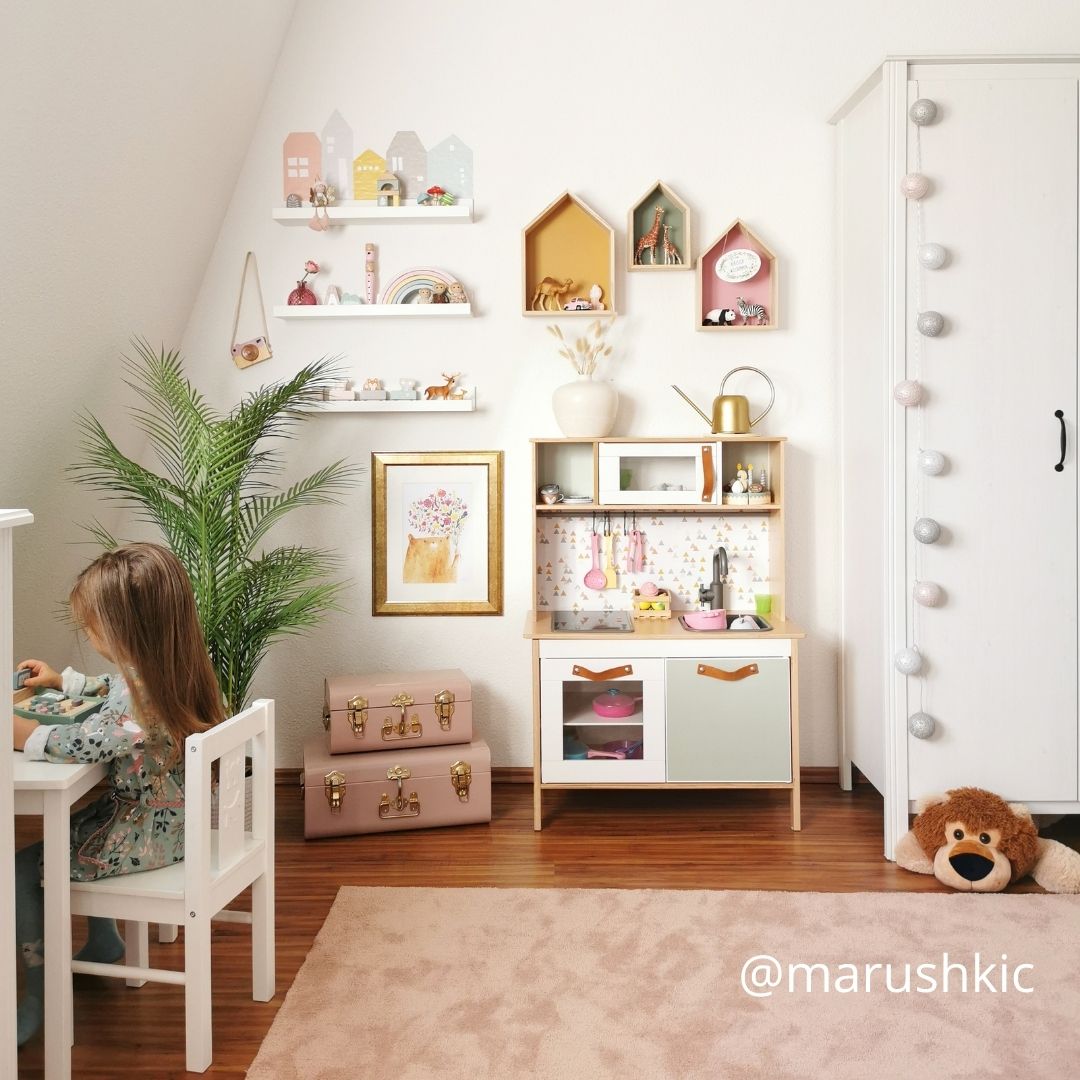
"Help me to do it myself!" That is the motto of Montessori education. And helping children to become independent is certainly a sensible approach. But how do I set up the nursery correctly and at the same time create educationally valuable incentives? It's actually quite simple: the nursery should be divided into different zones. Free- playing surface, reading or cosy corner, painting table... As you can see, our tips and tricks already mentioned are aimed at Montessori-style furnishings. You can design the individual areas using different colours, for example. You can find more detailed information on Montessori in the children's room and what it's all about via the link.
Have we inspired you a little? We hope you have fun designing and decorating your children's room!
-

-
-
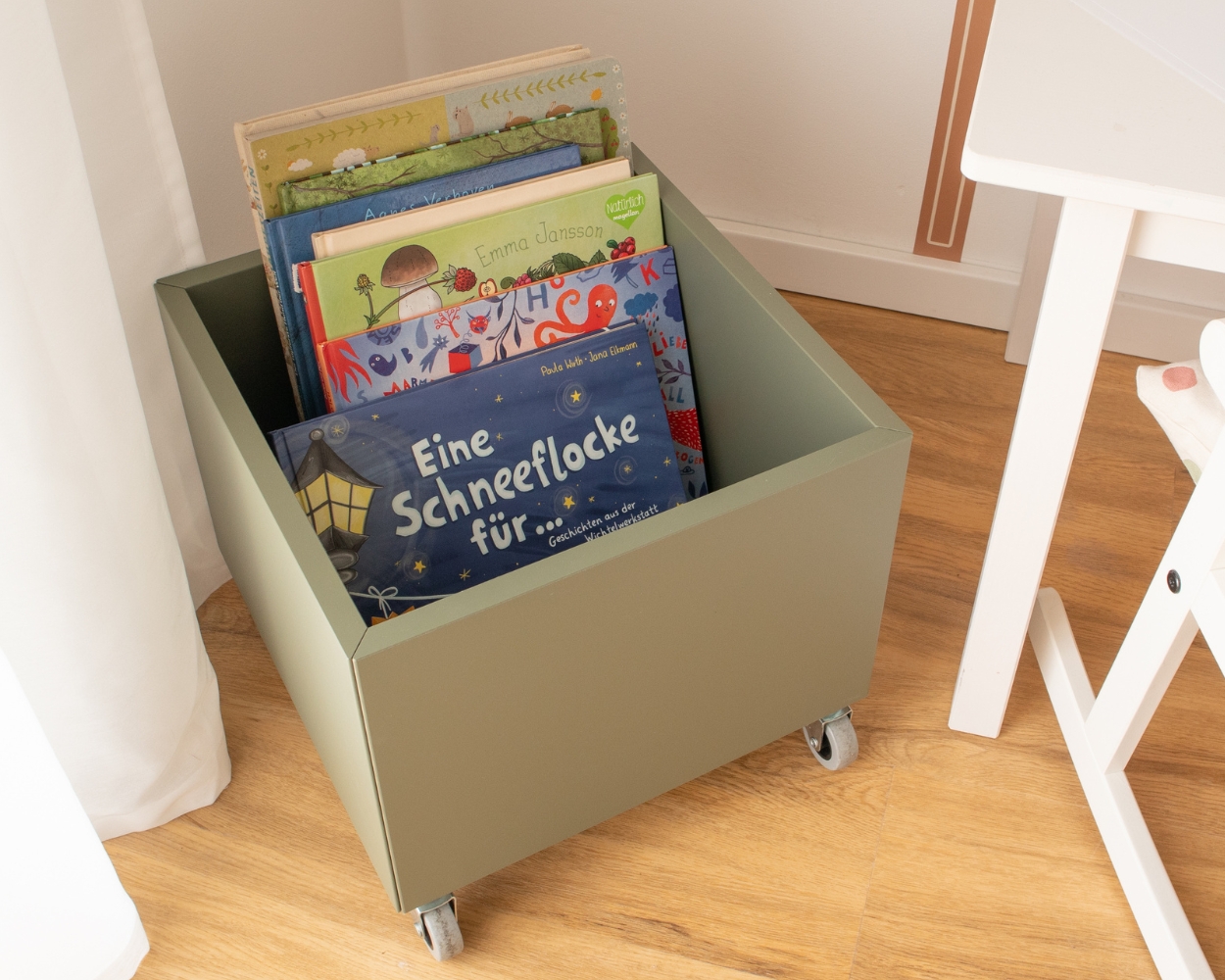 IKEA hacks for book storage in the children's roomIdeas for storing books in the children's room in a practical and child-friendly way.Mehr lesen
 -
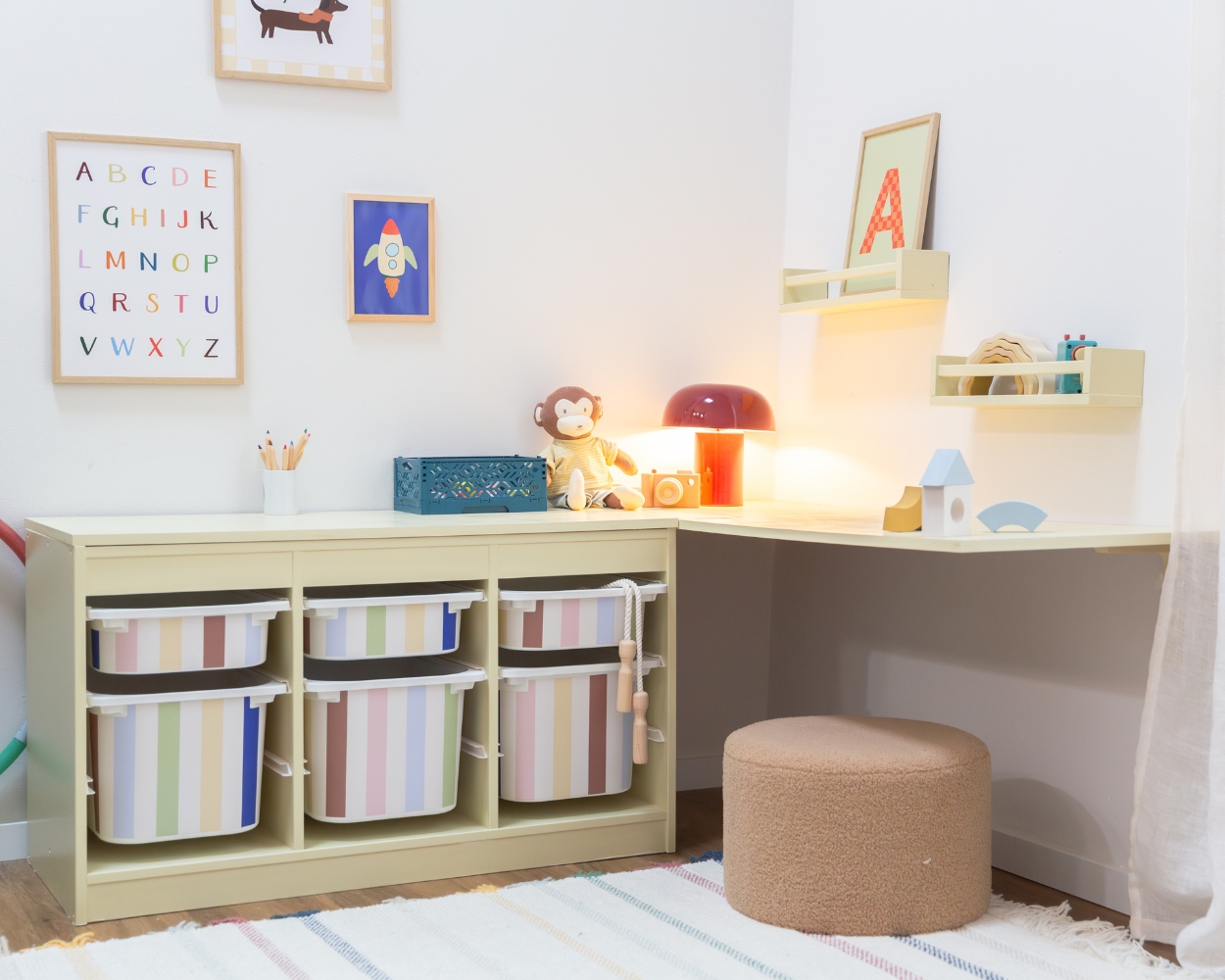 TROFAST Makeover: DIY Kids’ Corner Desk from IKEA StorageTurn your IKEA TROFAST unit into a cosy kids’ corner desk! Space-saving, creative and perfect for crafting. Get the step-by-step guide for this easy DIY makeover.Mehr lesen
 -
 Family Bed – Benefits, Tips & Co-Sleeping ExplainedLearn all about the family bed: the benefits, tips, and why co-sleeping can bring comfort, closeness, and better sleep.Mehr lesen
 -
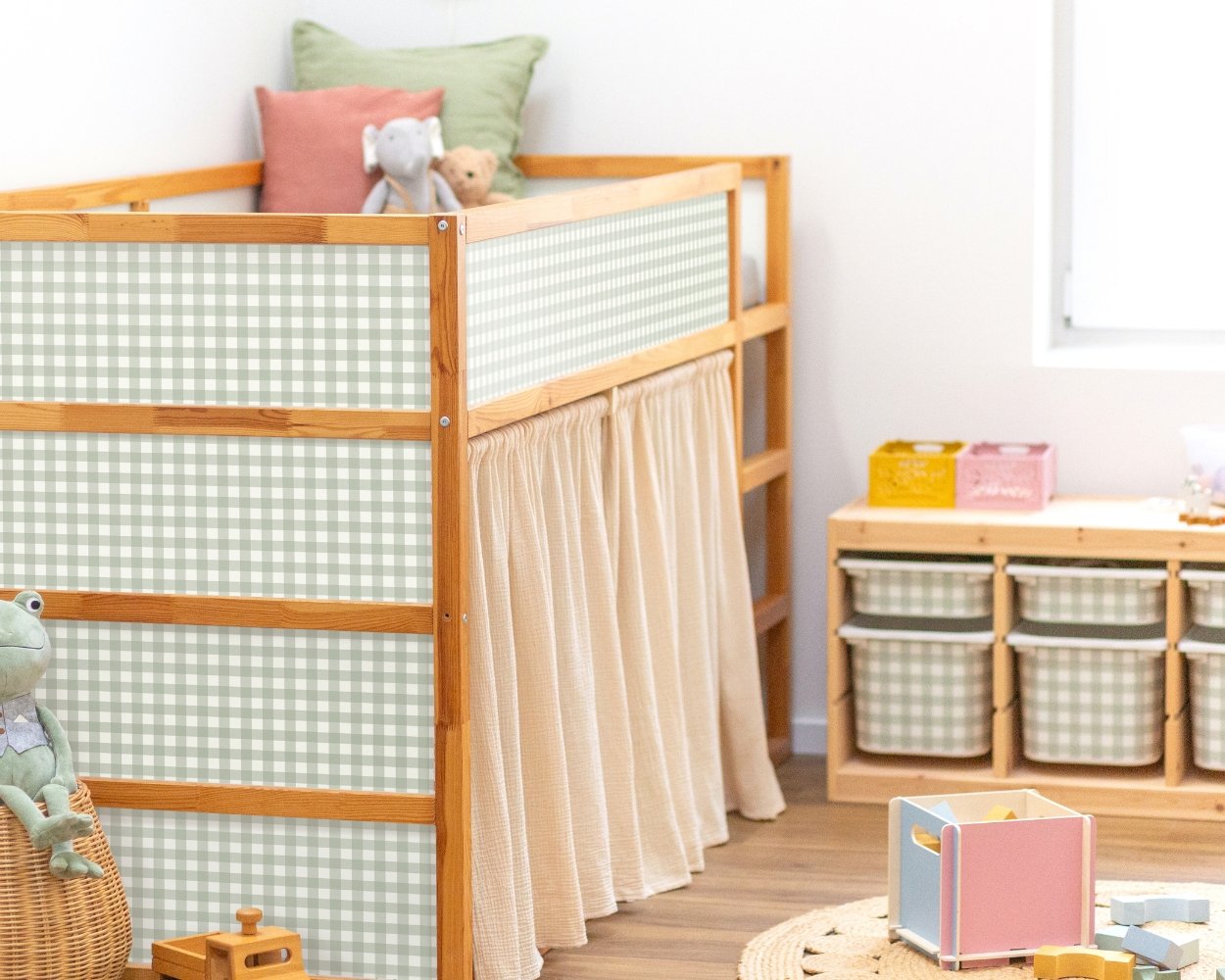 Safe Sleep in the Kids’ Room – Tips & Smart IdeasFrom bed rails to non-toxic materials – discover the best tips for safe, cozy, and worry-free sleep in the kids’ room.Mehr lesen
 -
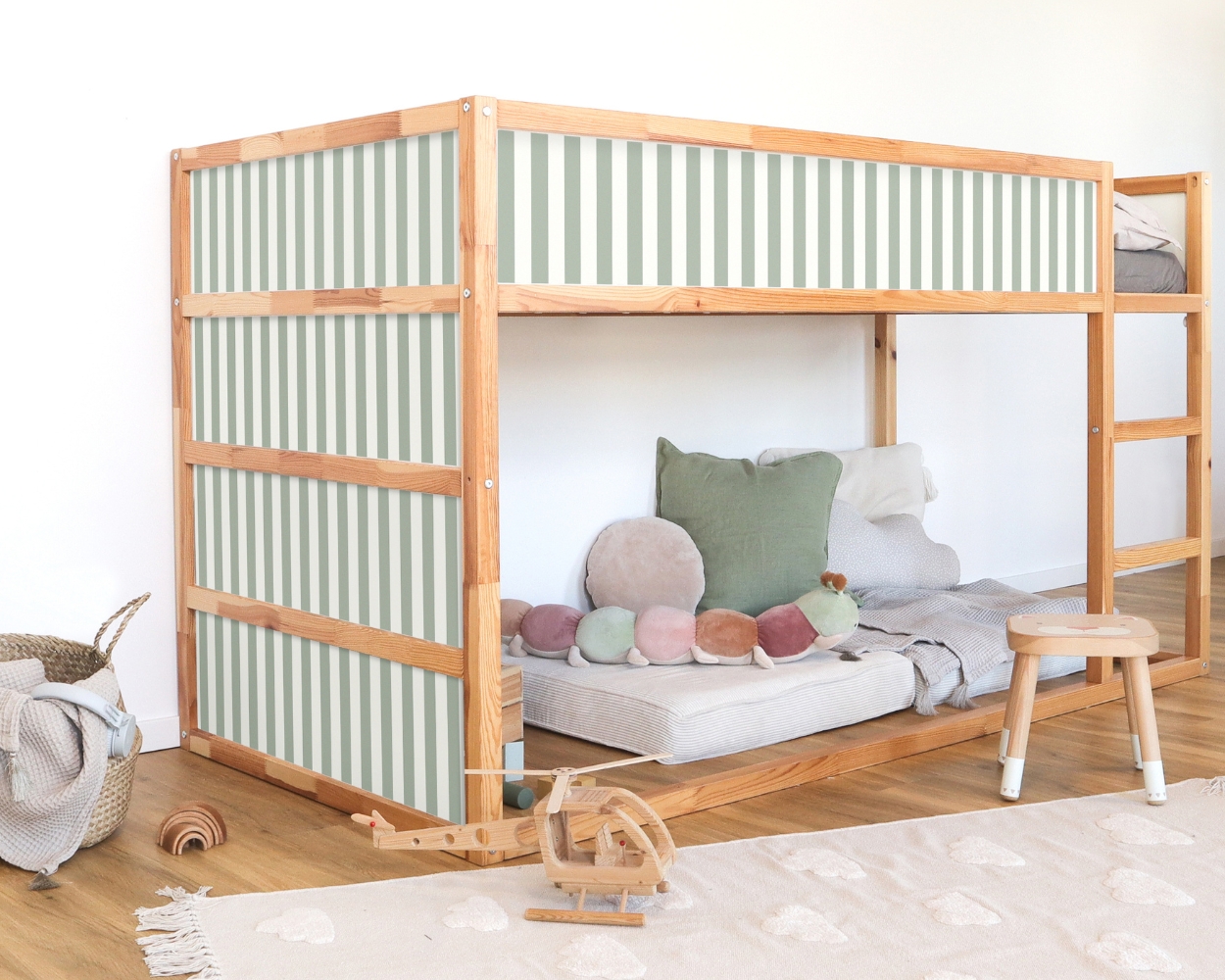 Own Bed for Kids – Smooth Transition Made EasyDiscover when it’s time for kids to move into their own bed and get tips on bunk beds, safety, and accessories for stress-free sleep.Mehr lesen
 -
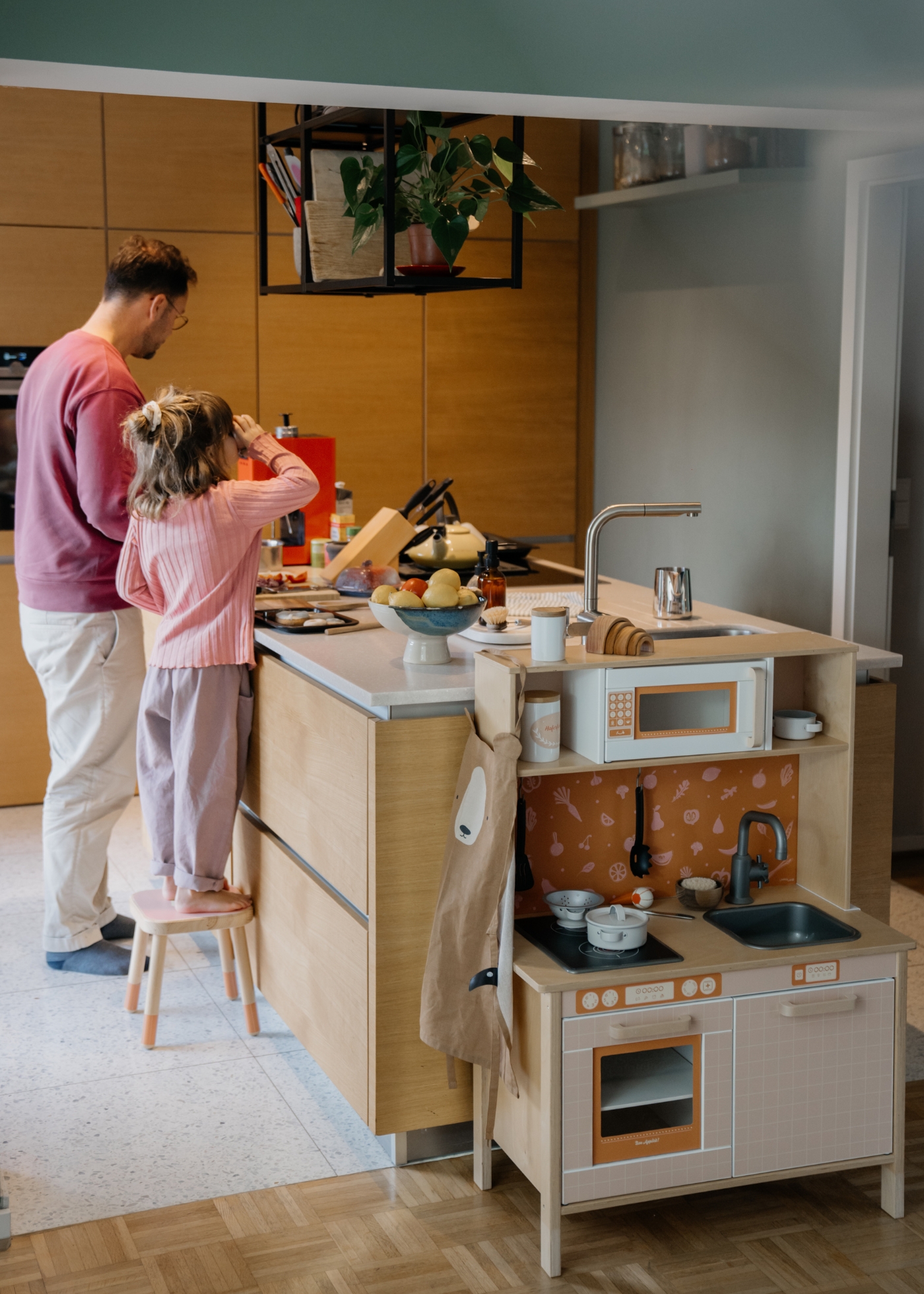 The 12 best ideas for the dark seasonFind out how you can cleverly prepare your home for winter so that nothing stands in the way of your little ones having fun despite the bad weather!Mehr lesen
 -
 Creative Kids’ Birthday Party Ideas – Crafts, Decorations & Fun GamesLooking for kids’ birthday party inspiration? Find easy DIY decorations, craft ideas and fun games to make the party special – creative, playful and stress-free!Mehr lesen
 -
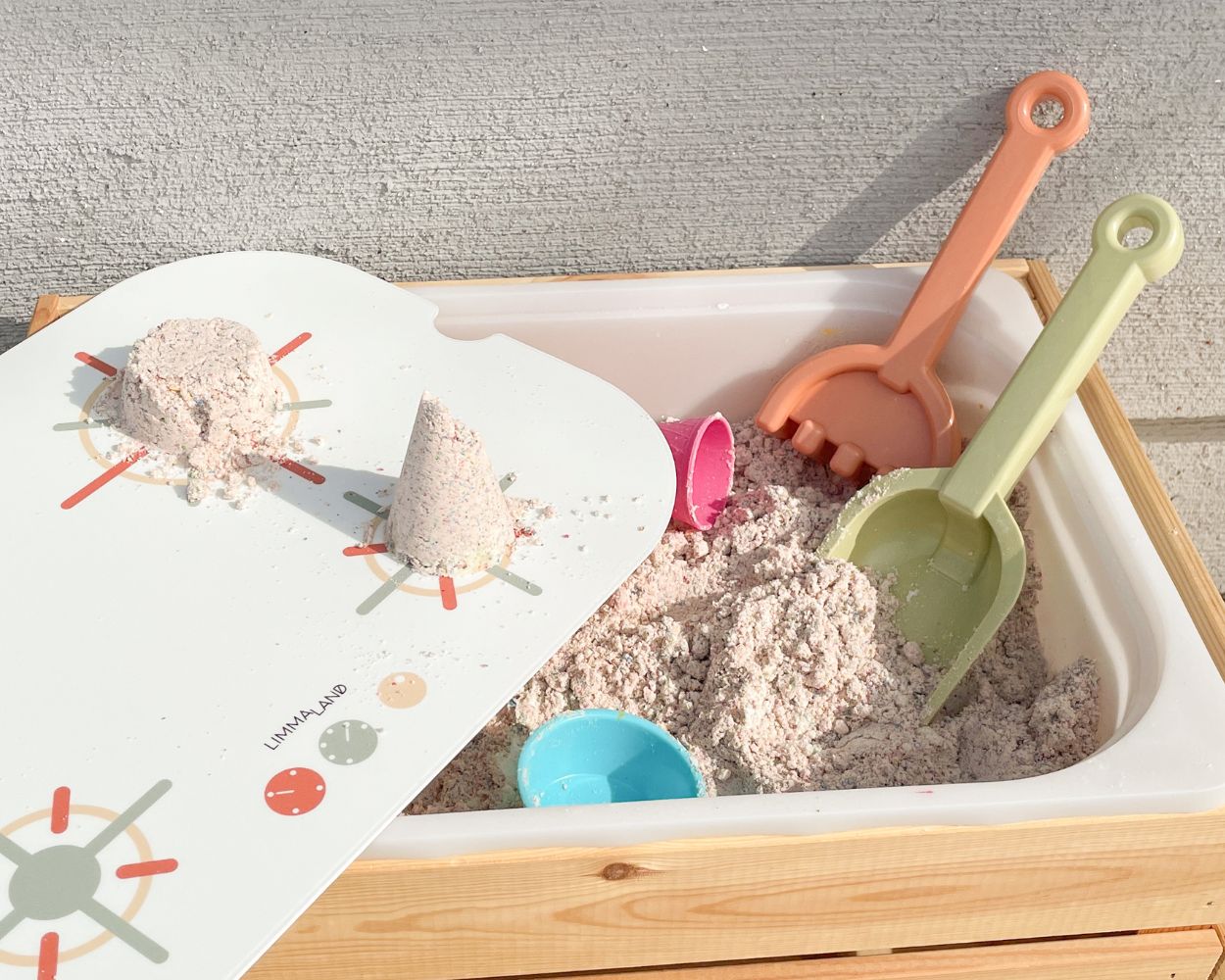 Make your own kinetic sand - DIY recipe for creative playDiscover our recipe for do-it-yourself magic sand! With just 3 ingredients, you can create sensory fun for children in no time at all. Try it out now!Mehr lesen
 -
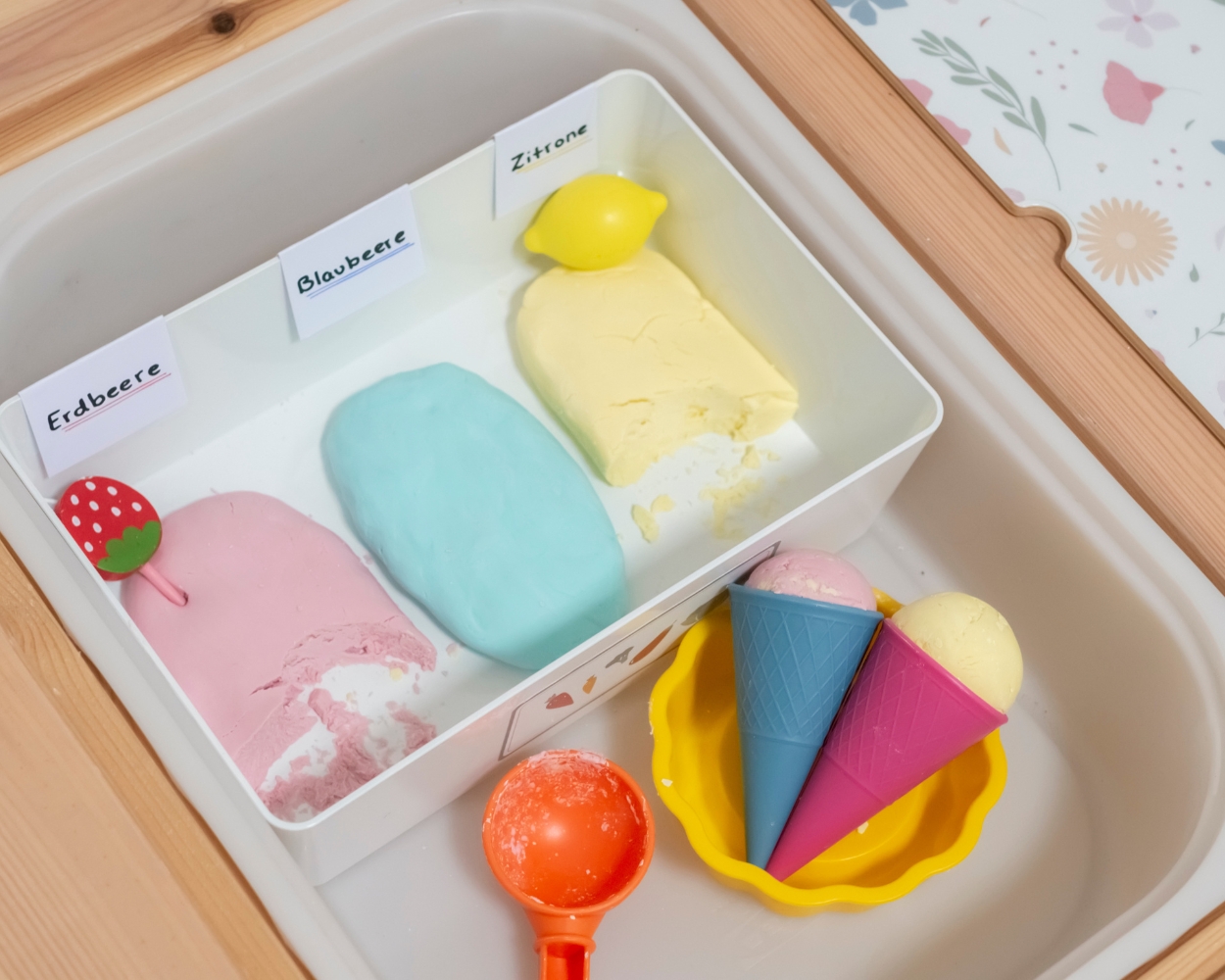 DIY Cloud Dough – Easy Recipe for KidsMake your own fluffy cloud slime with just two ingredients! A simple DIY for sensory play and creative fun – perfect for kids of all ages.Mehr lesen
 -
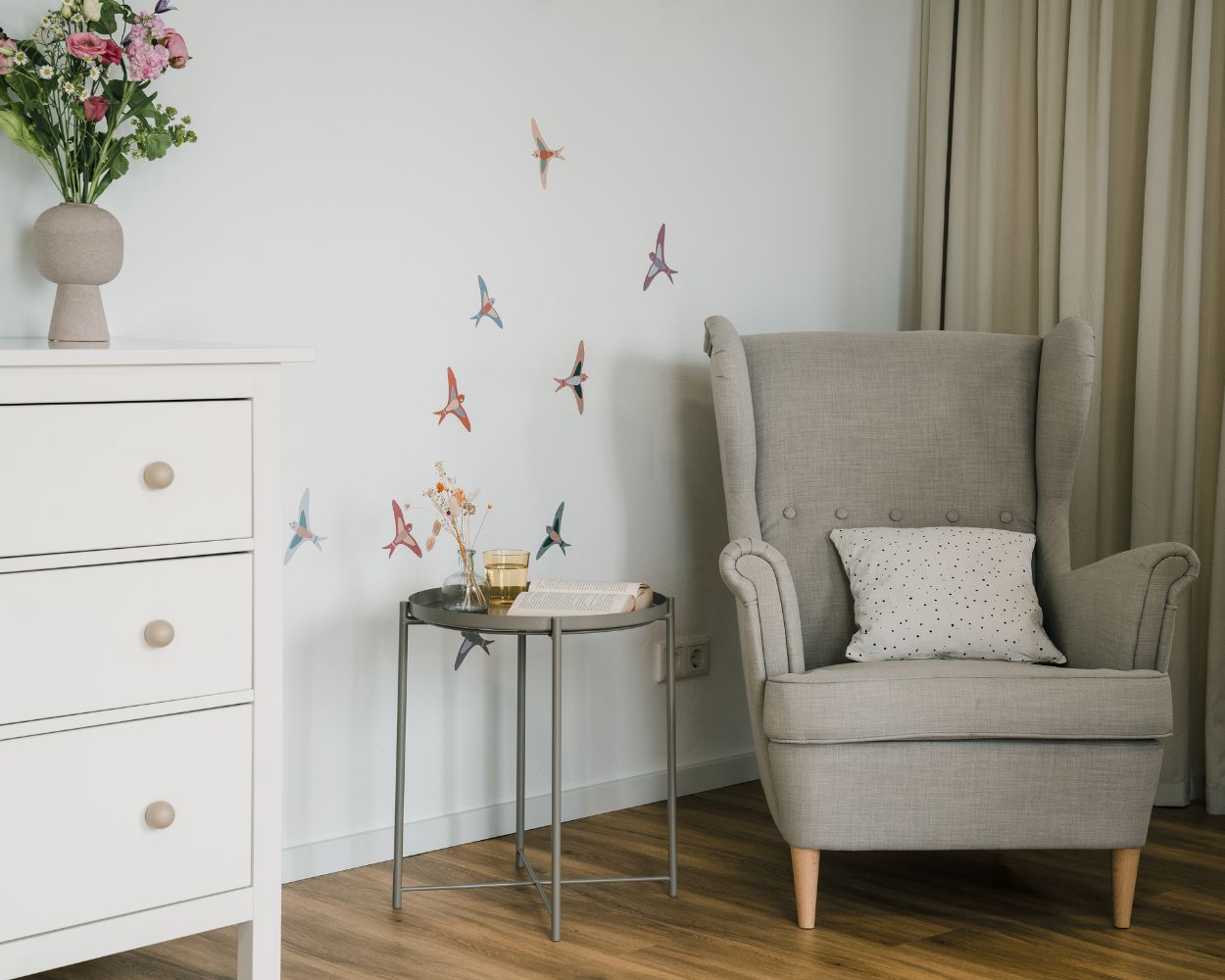 The Perfect Wall Colour for the Nursery – Tips & IdeasDiscover calming and stylish nursery colour ideas. Learn how wall colours affect your baby’s wellbeing and how to create a soothing, beautiful environment.Mehr lesen
