
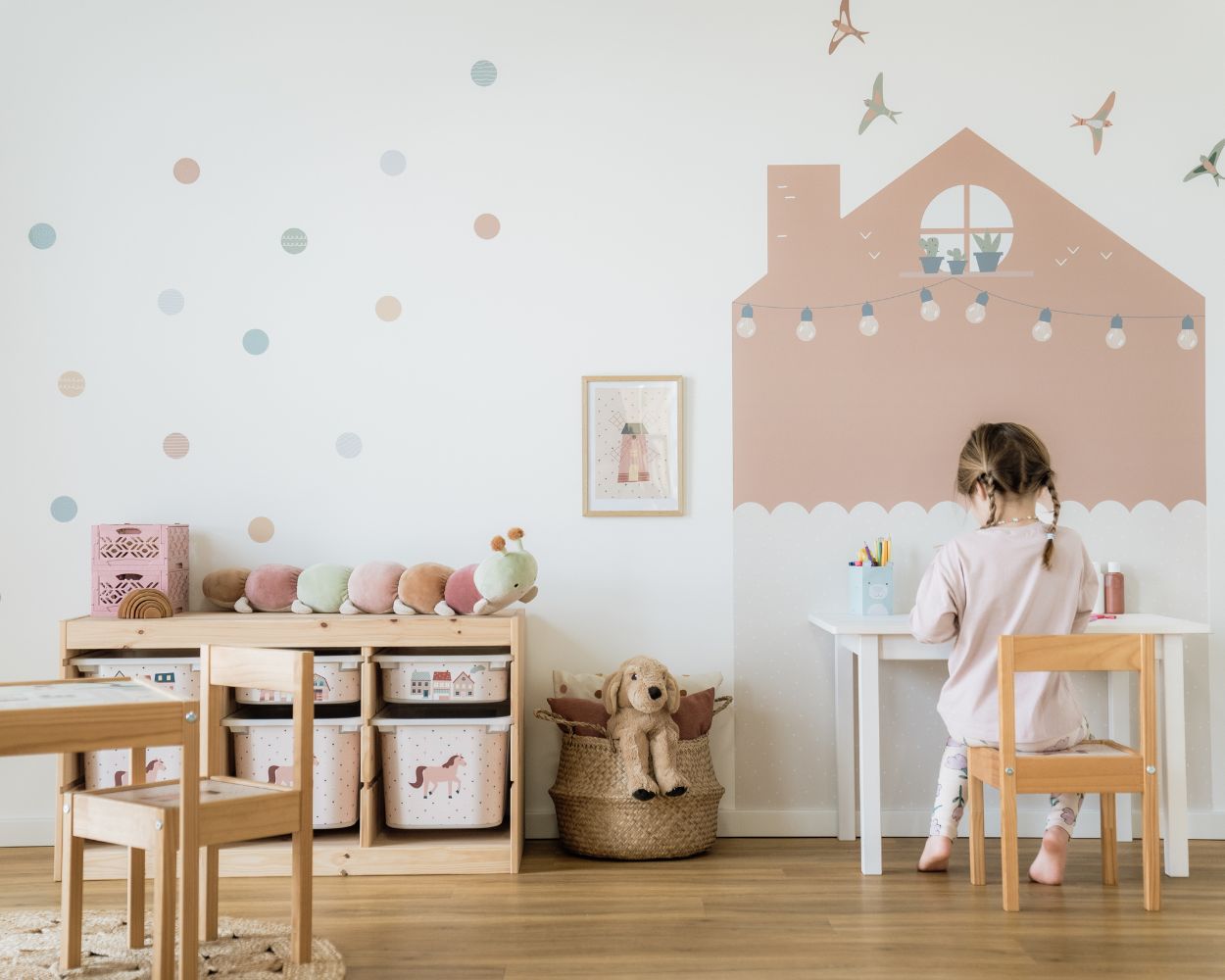
6 tips for your allergy sufferer's nursery

Furnishing a child’s bedroom for those with allergies
Less dust, less pollen, greater well-being: 6 tips for an allergy-friendly children’s bedroom
A child’s bedroom for allergy sufferers should be designed in such a way that house dust, pollen and dust mites accumulate as little as possible. Allergies and hay fever are becoming increasingly common among children, which is why a hygienic yet cosy interior design is particularly important.
An allergy-friendly children’s bedroom follows a simple principle: ‘ ’ The simpler, more accessible and easier to wash the furnishings are, the better. With the right choice of furniture, a minimal use of textiles and clear organisational structures, you can create an allergy-friendly children’s bedroom that is easy to clean yet still feels warm and inviting. We’ll show you exactly what to look out for.
1. Choosing the right furniture for a child’s bedroom if they have allergies
When planning a child’s bedroom for someone with allergies, the first step is to consider which pieces of furniture are truly essential. Every additional piece of furniture increases the potential surface area for dust to accumulate. Low chests of drawers and sideboards are preferable to tall cupboards, as they are easy to reach and can be vacuumed or wiped down with a damp cloth on a regular basis.
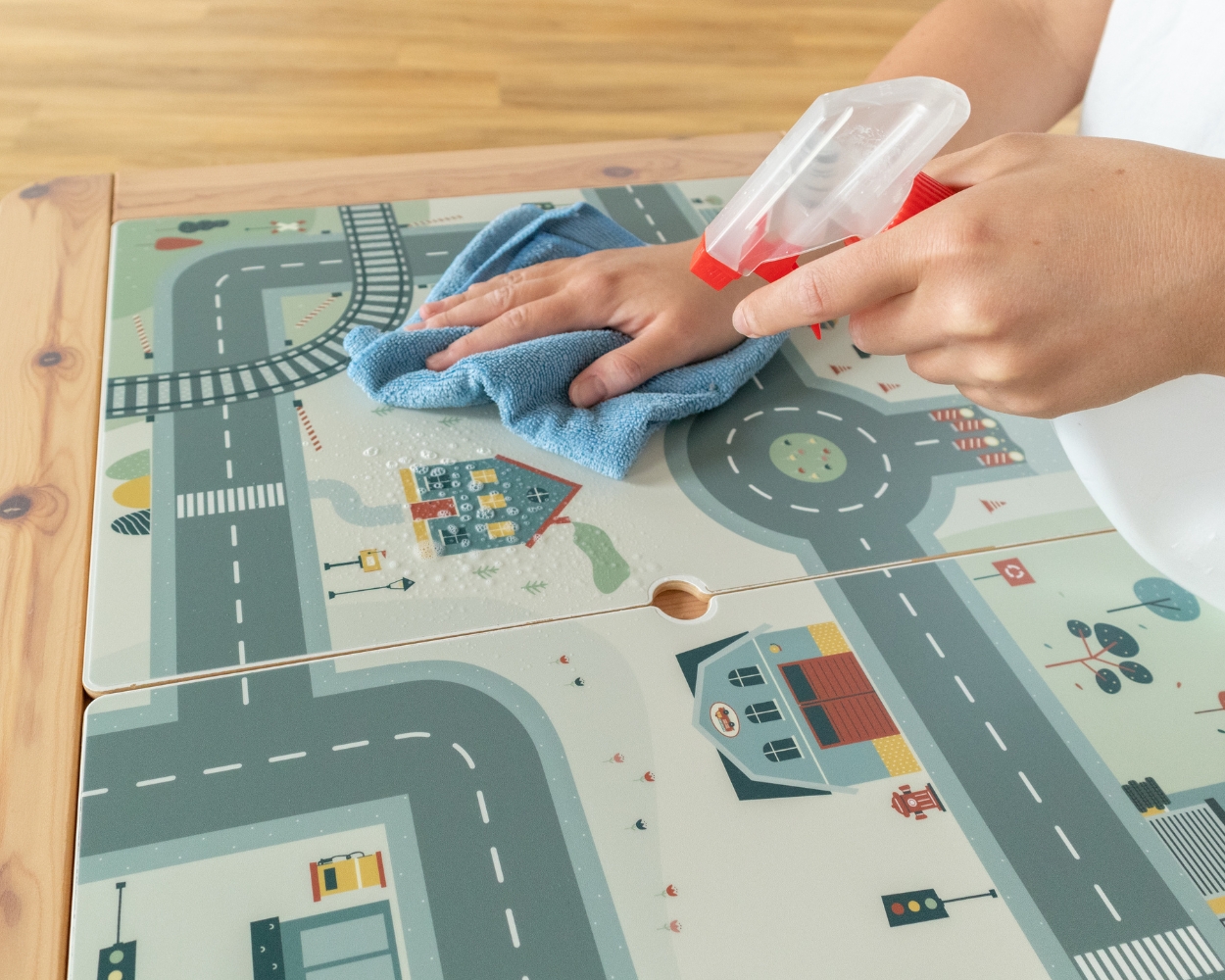
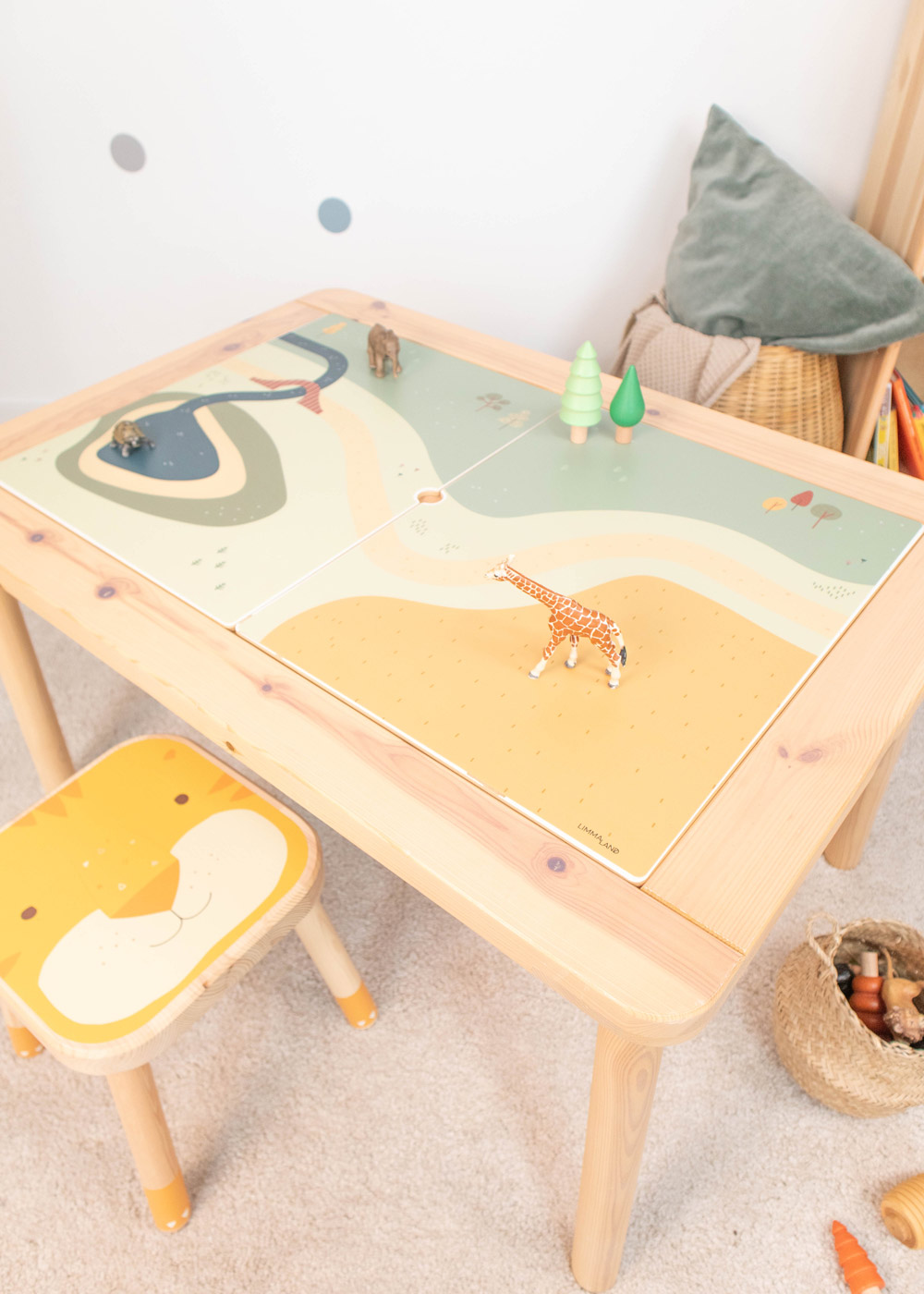
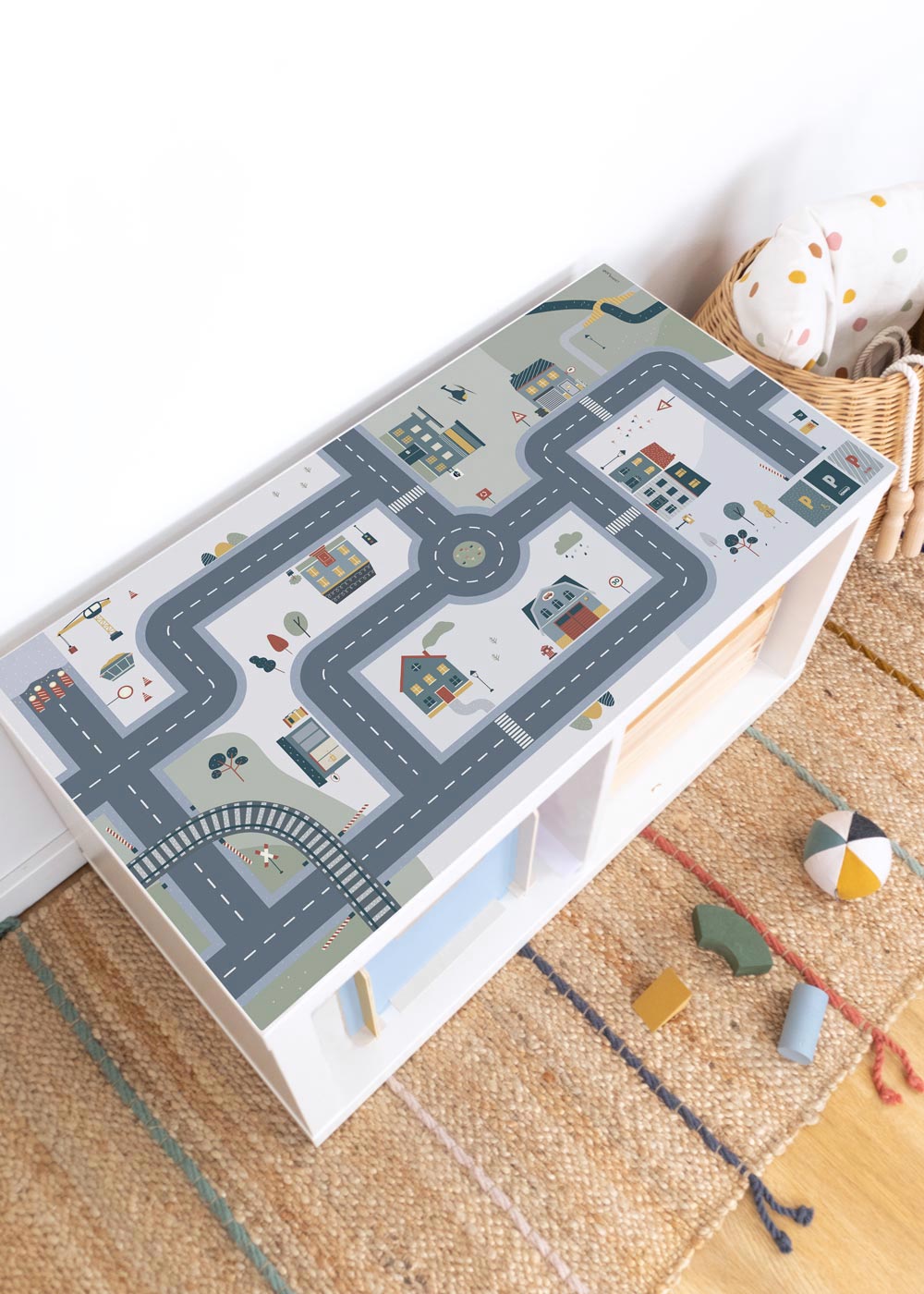
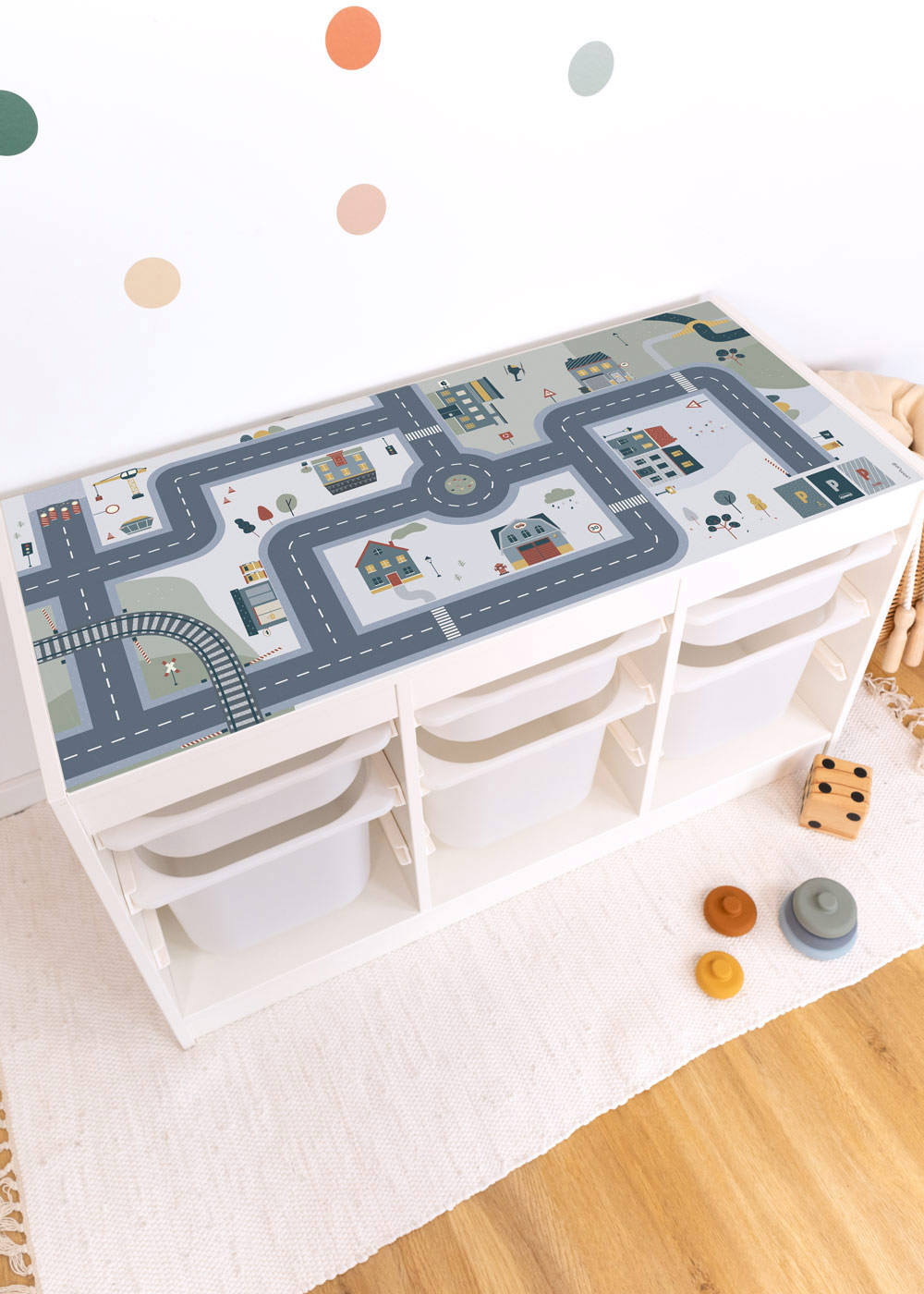
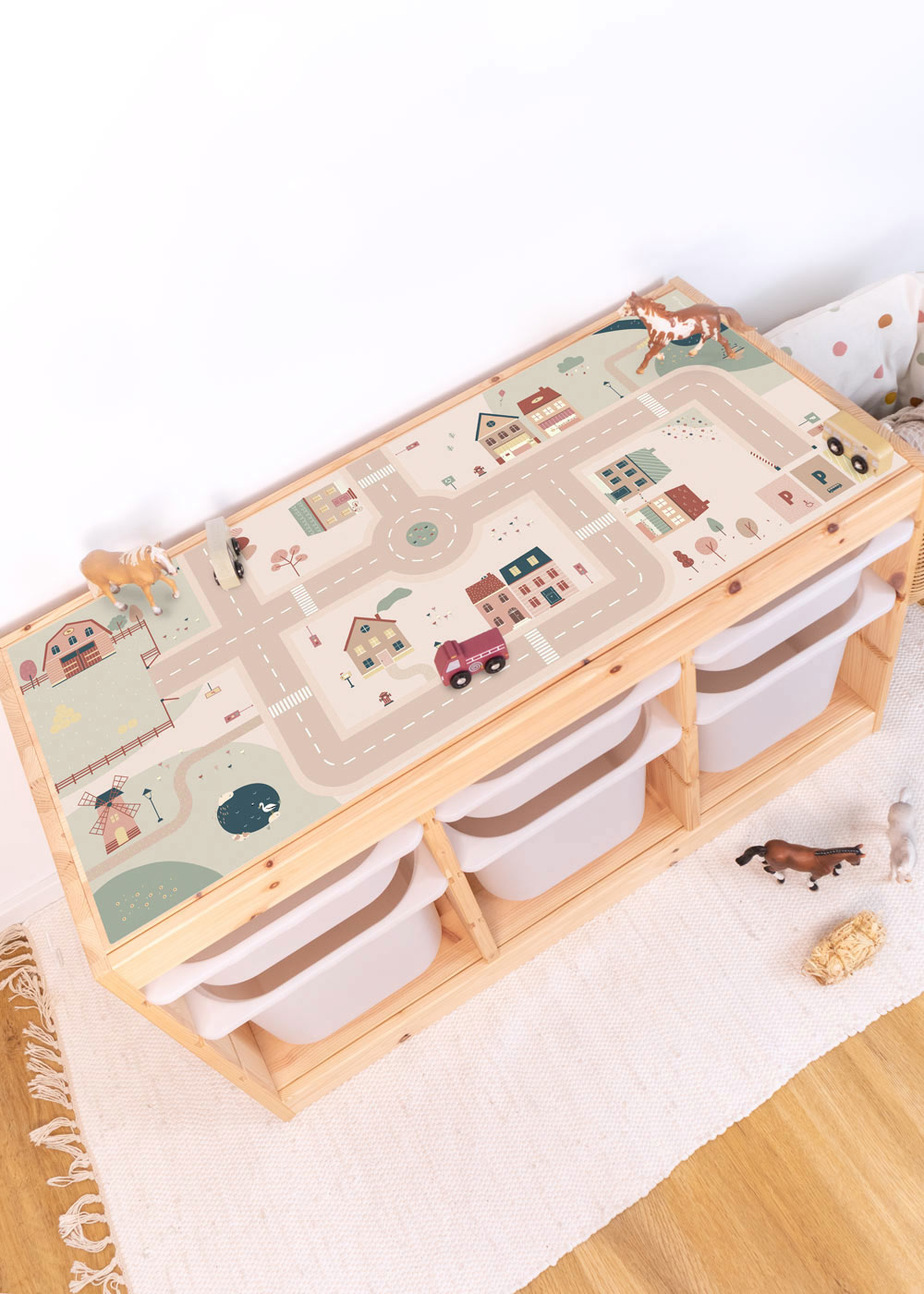
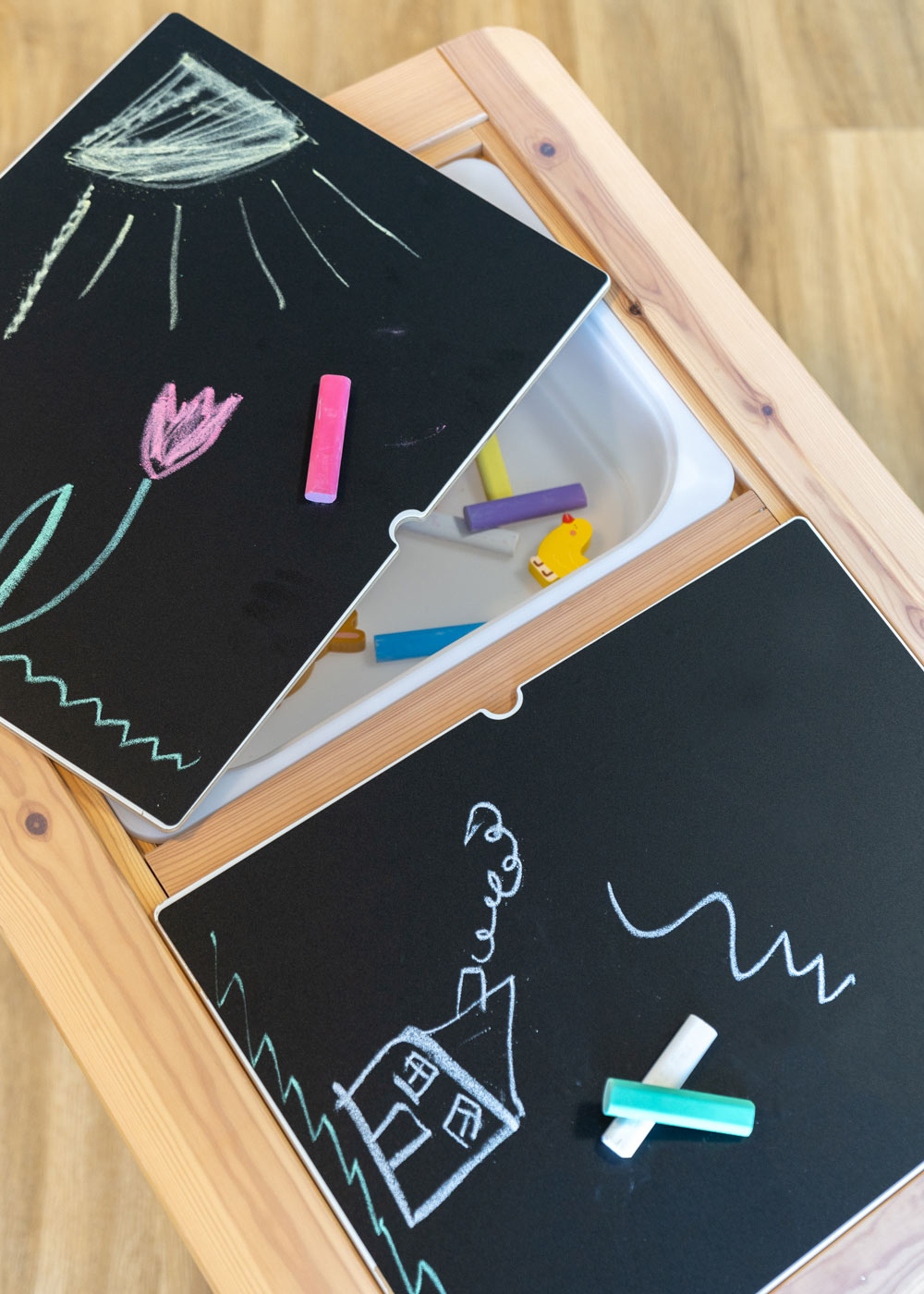
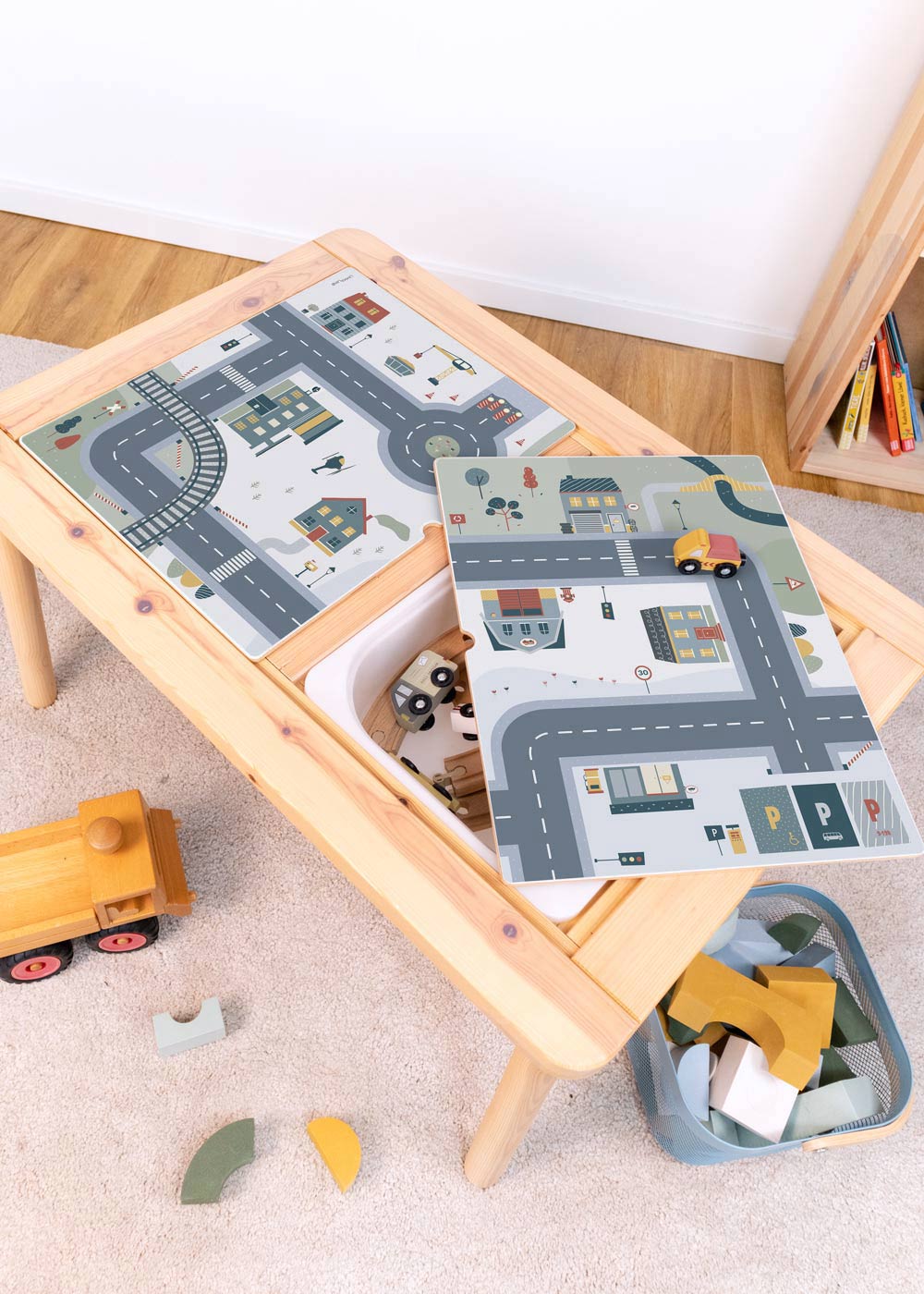
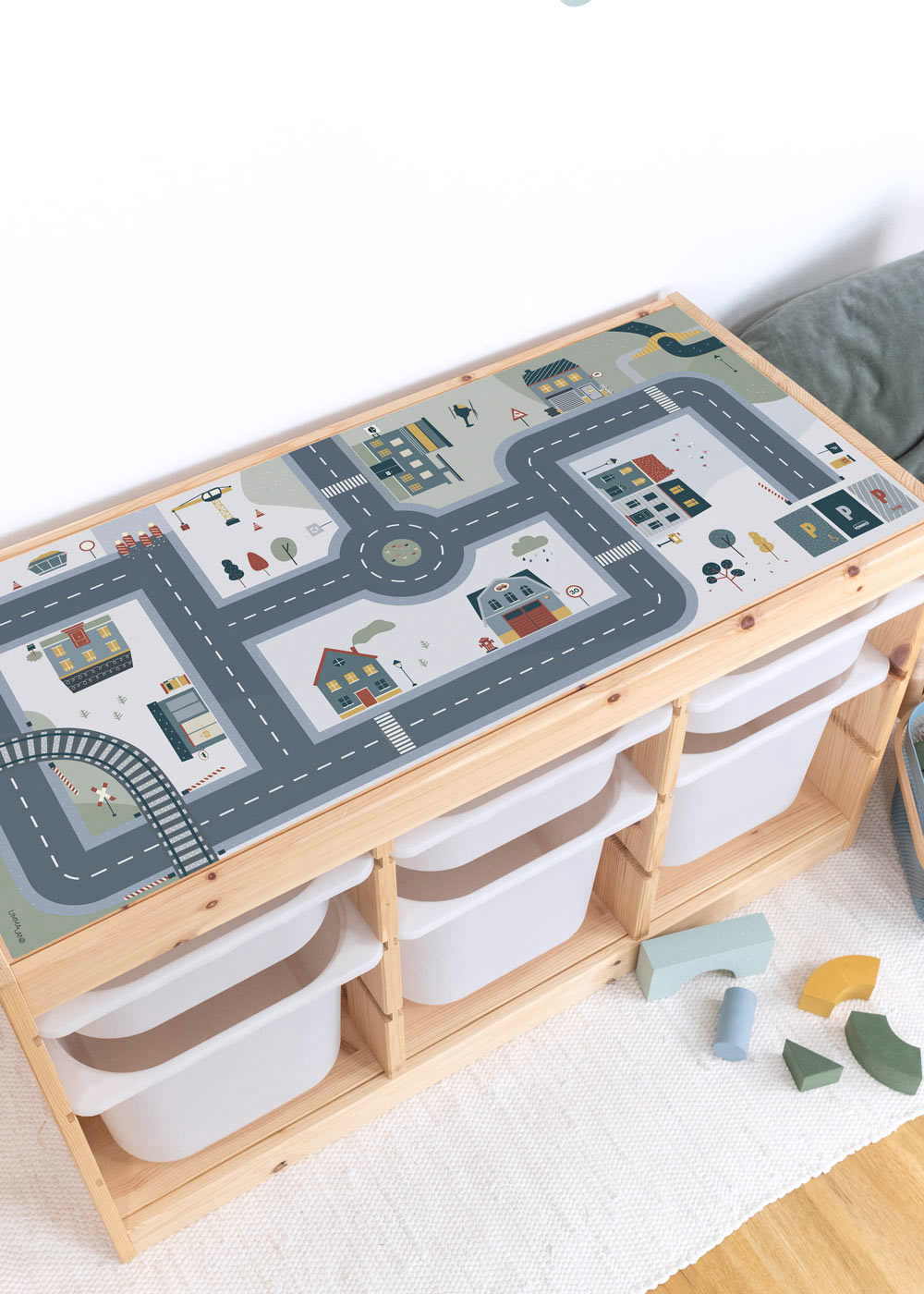
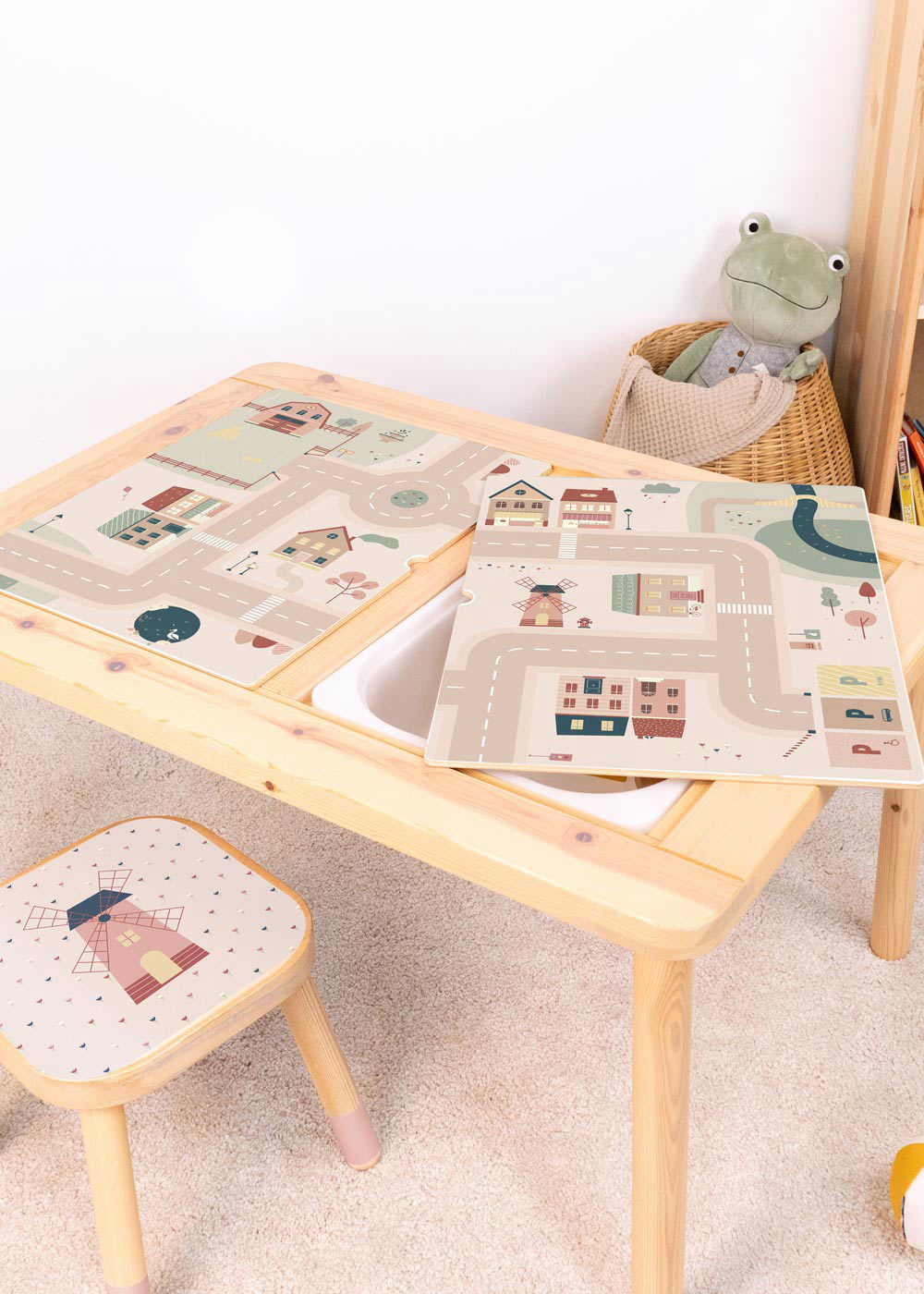
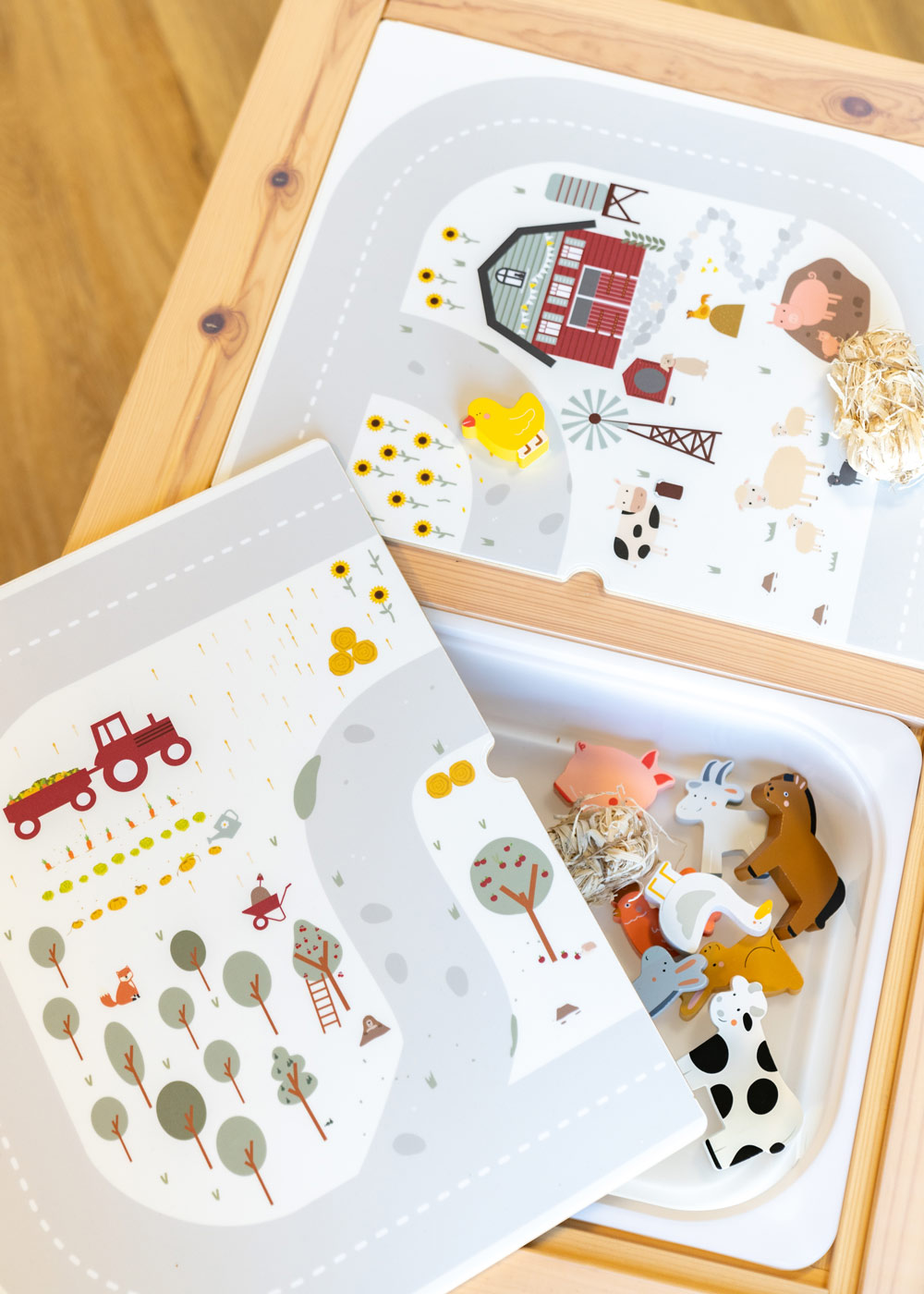
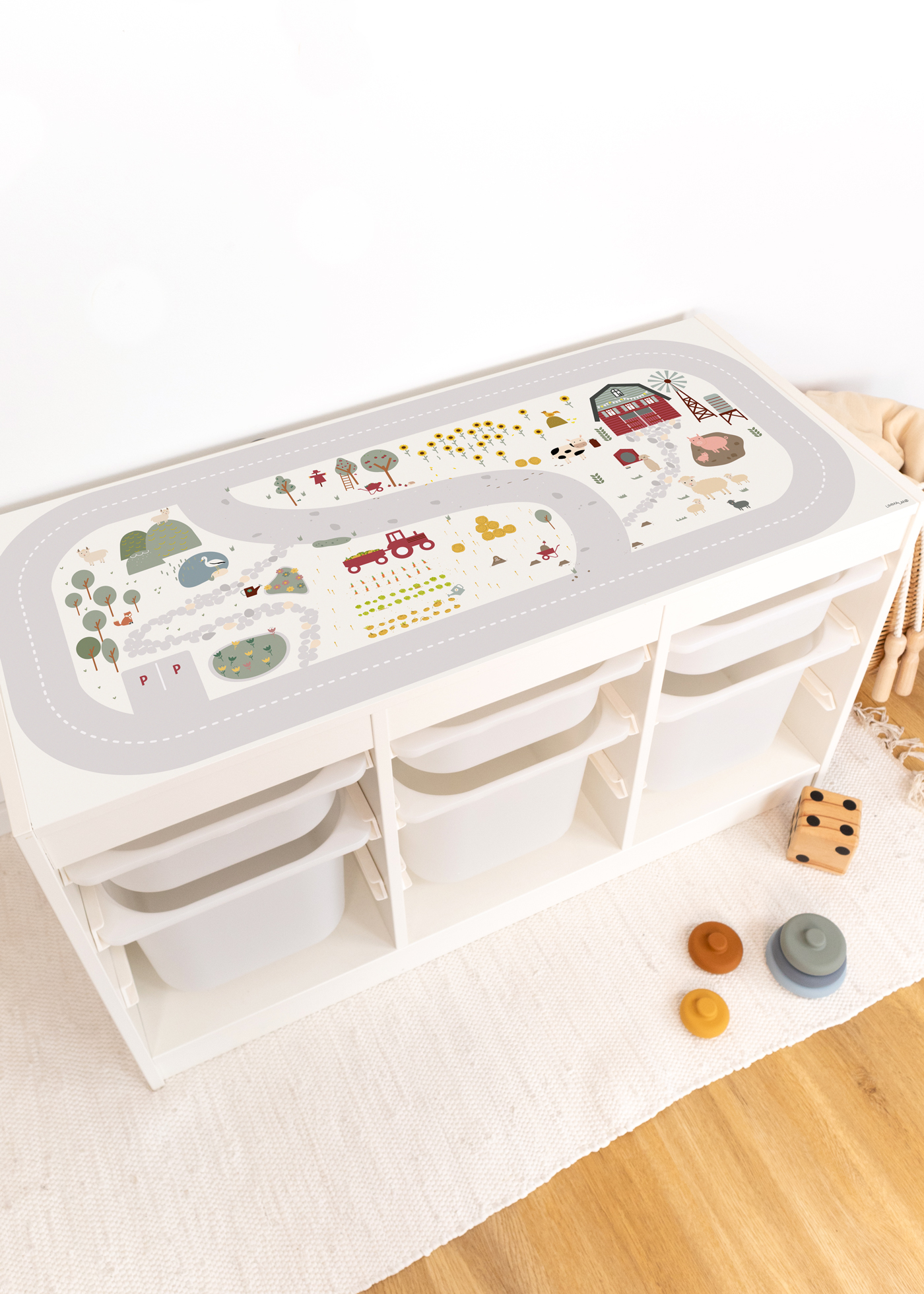
Instead of fabric play rugs, wipeable play surfaces such as adhesive films for play tables can be a more hygienic alternative, without those with allergies having to miss out on the fun of playing. With Limmaland’s lovingly designed ‘ play table’ adhesive films, you can create imaginative play worlds in no time at all – and they’re also particularly easy to look after. Limmaland’s high-quality laminated films can be easily cleaned with water, soap or a mild detergent and prevent dust build-up. This keeps the children’s room hygienic whilst ensuring play remains just as colourful and creative.

2. The right bed: Sleeping in a child’s bedroom for allergy sufferers
When choosing a bed, make sure it either has quite high legs or is a ‘ bunk bed’ so that you can easily vacuum and mop underneath it and prevent dust and pollen from accumulating. Alternatively, you could buy a bed that sits directly on the floor, such as the IKEA KURA bed. This makes it easy to vacuum along the edges, and prevents house dust and pollen from accumulating under the bed.
To ensure that even little ones with allergies don’t have to miss out on cheerful colours in their bedroom, you can also decorate the cot with matching films from Limmaland laminate.

3. Toy boxes with lids help keep house dust at bay
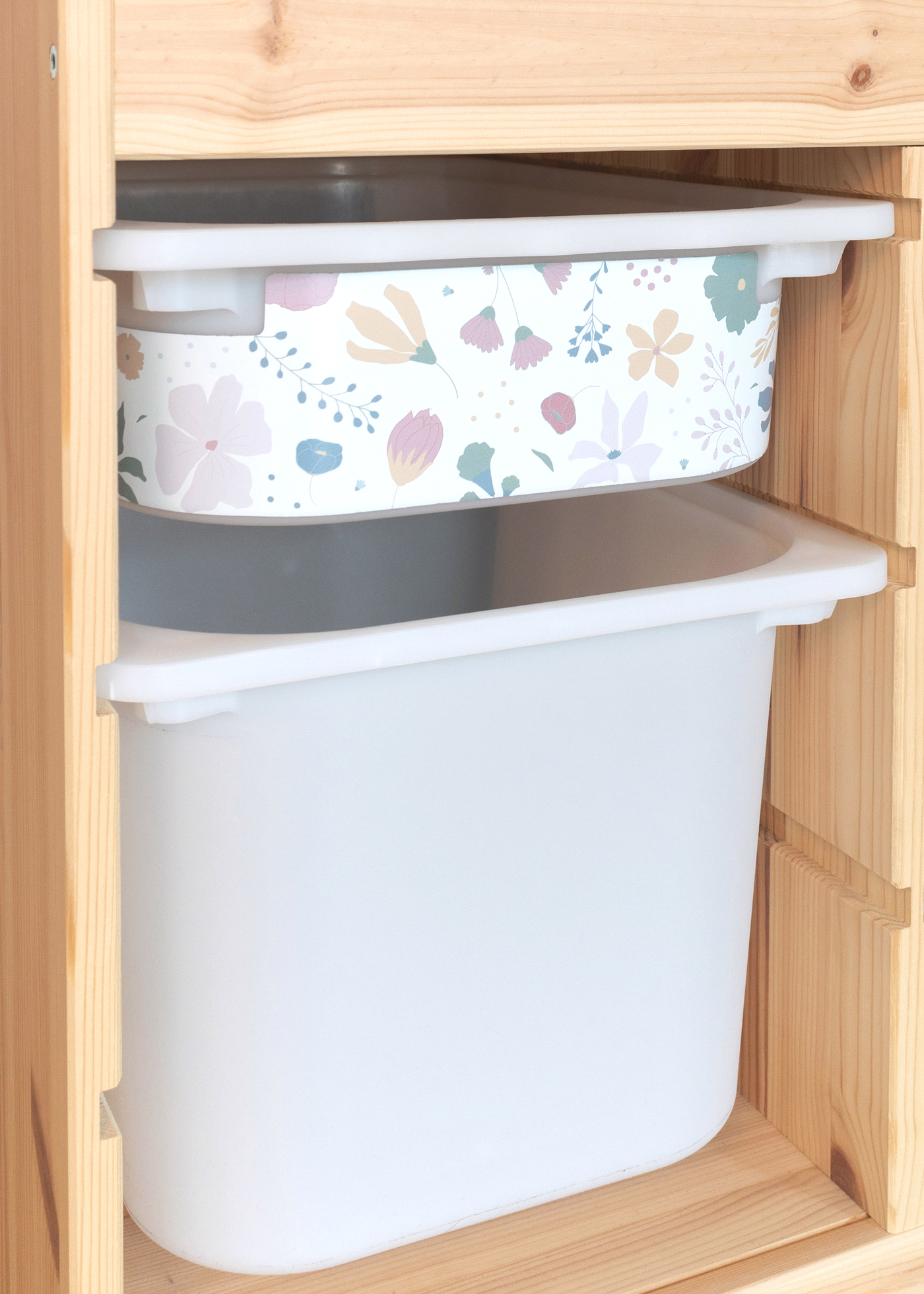
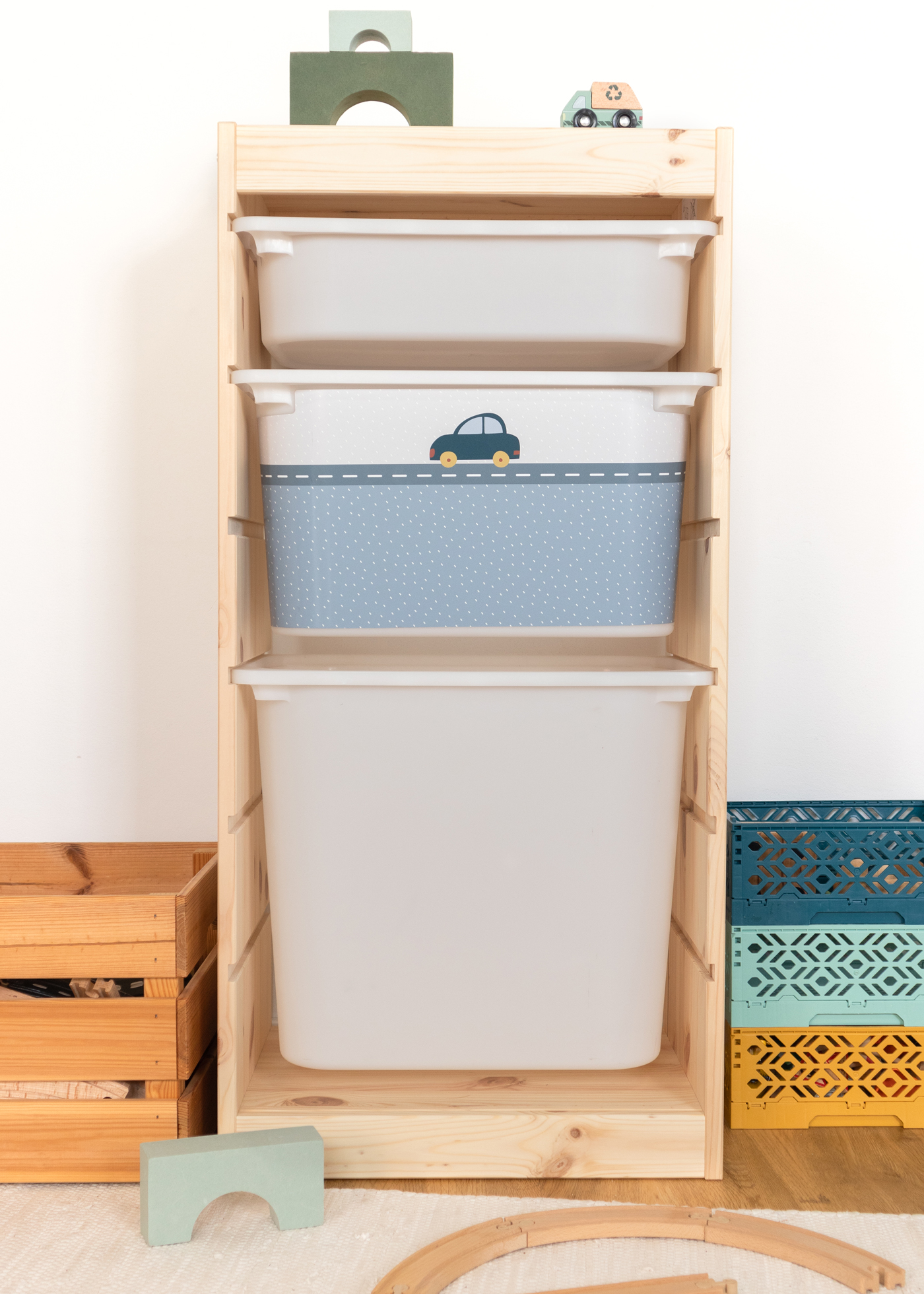
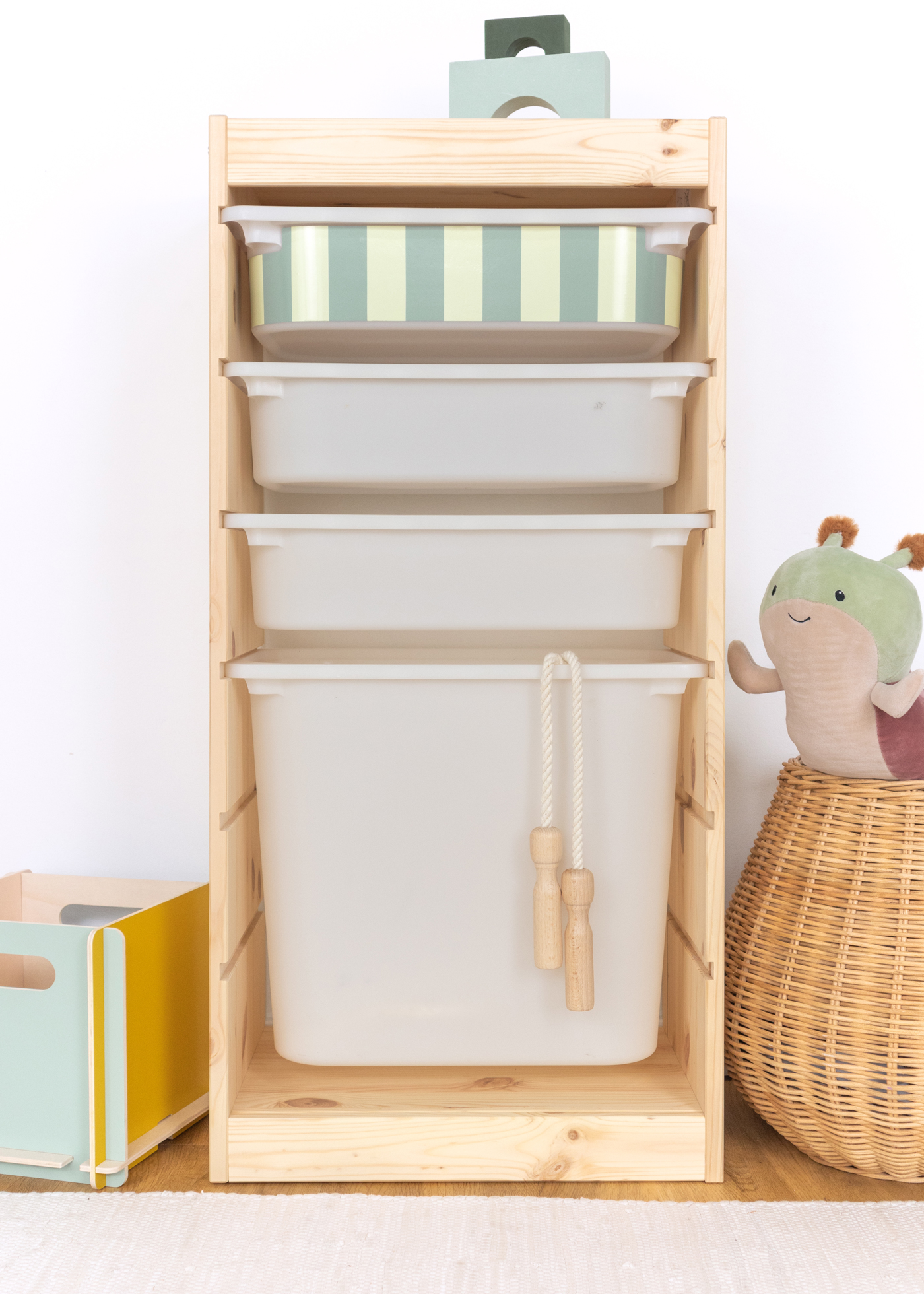
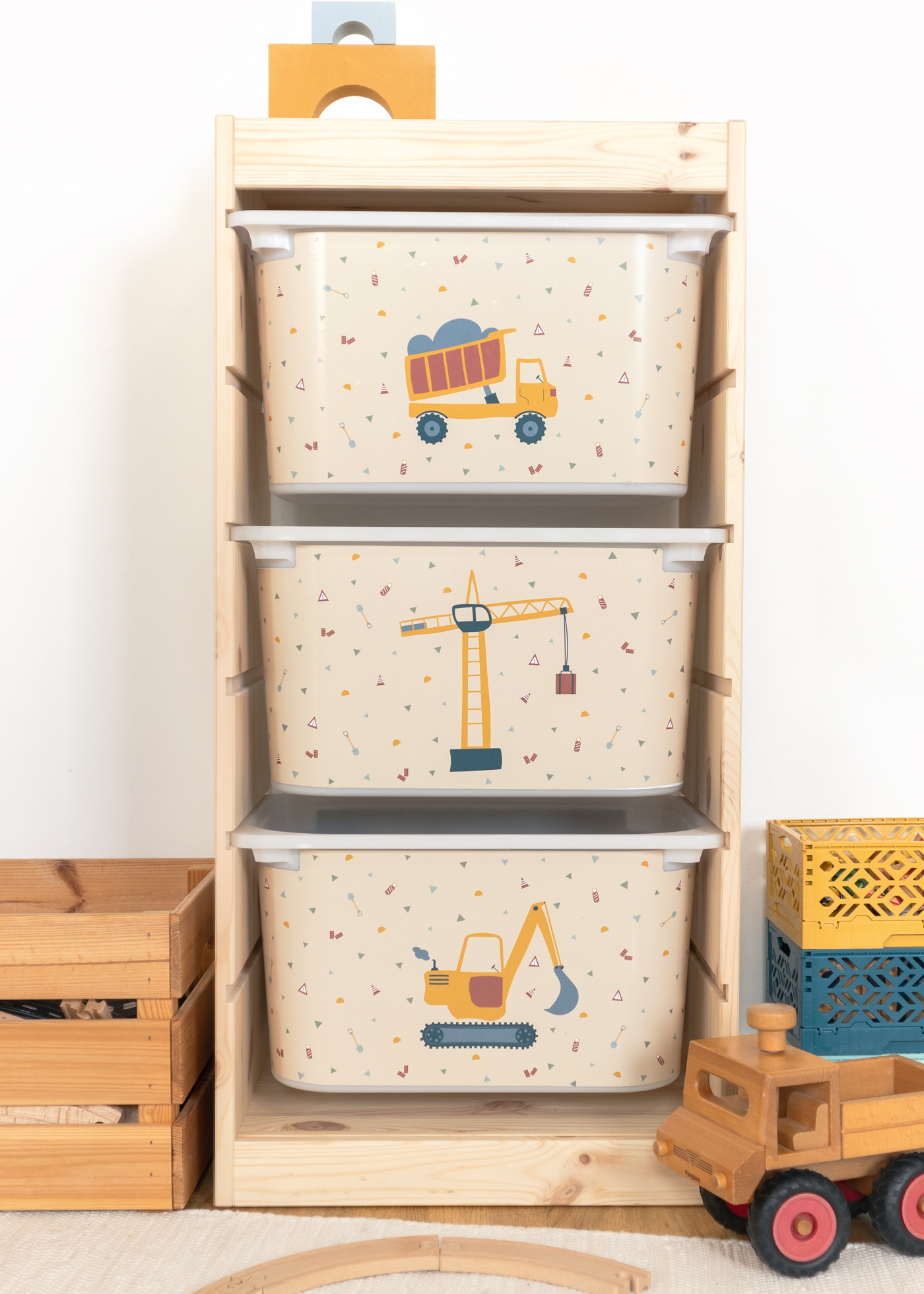
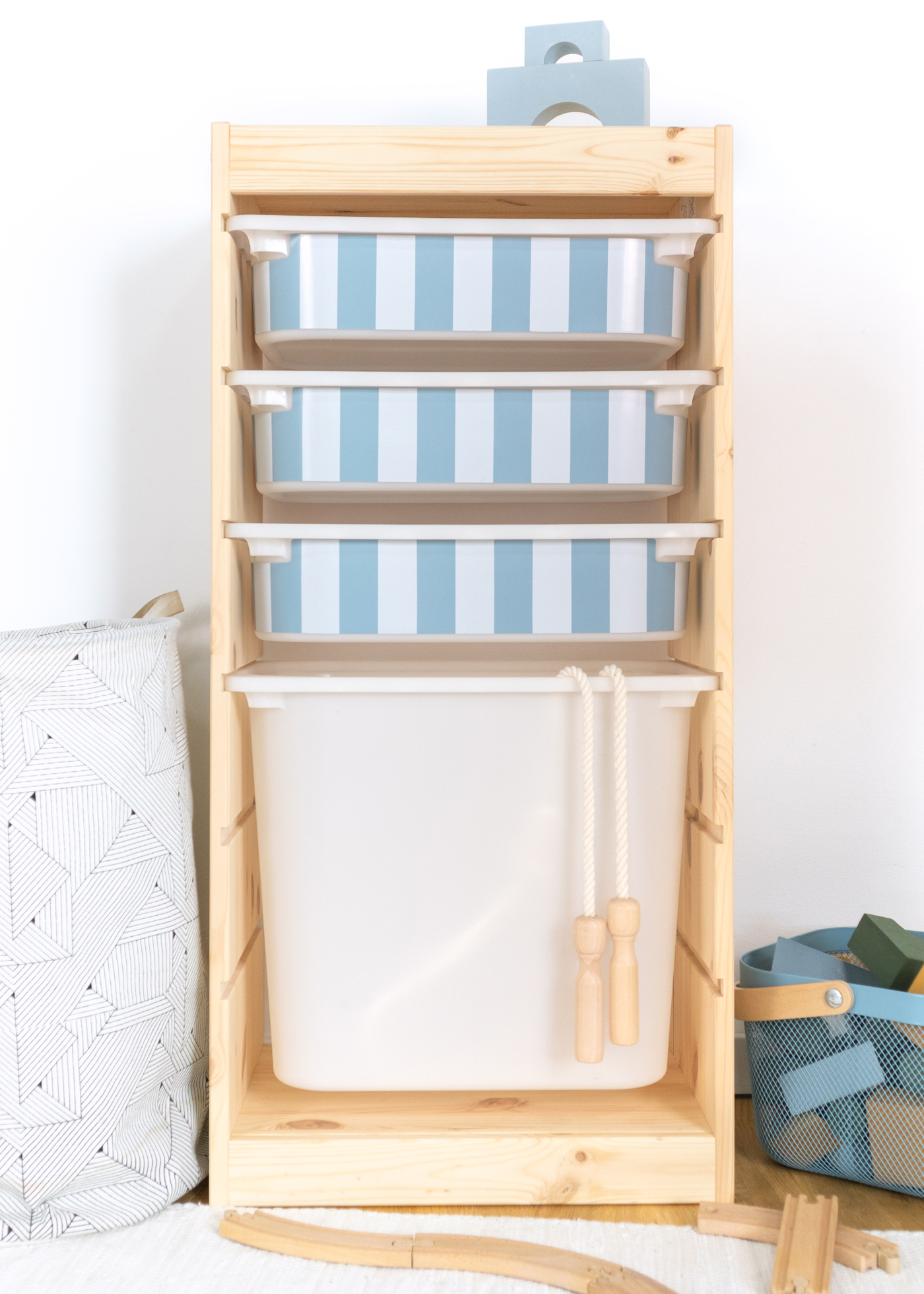
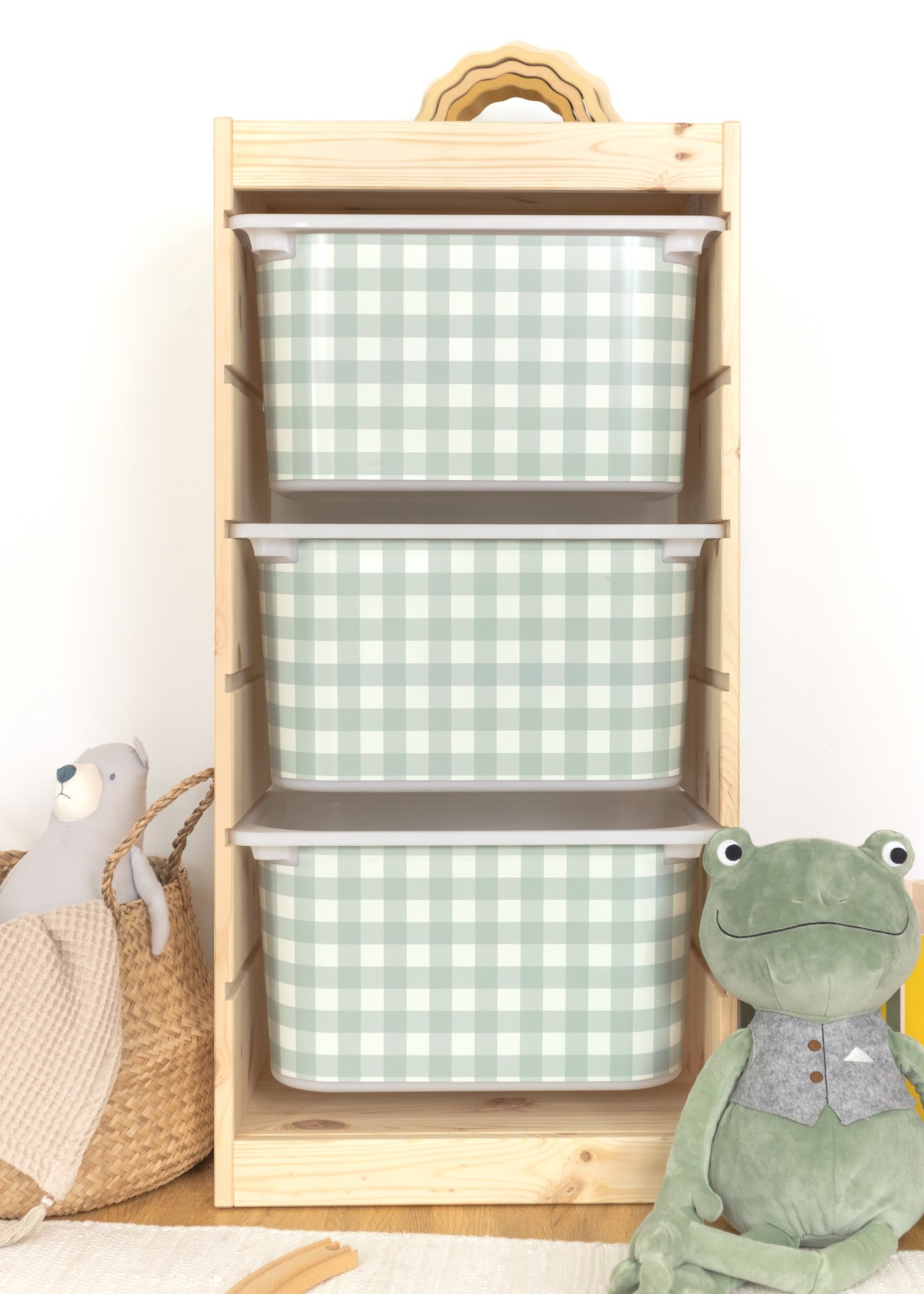
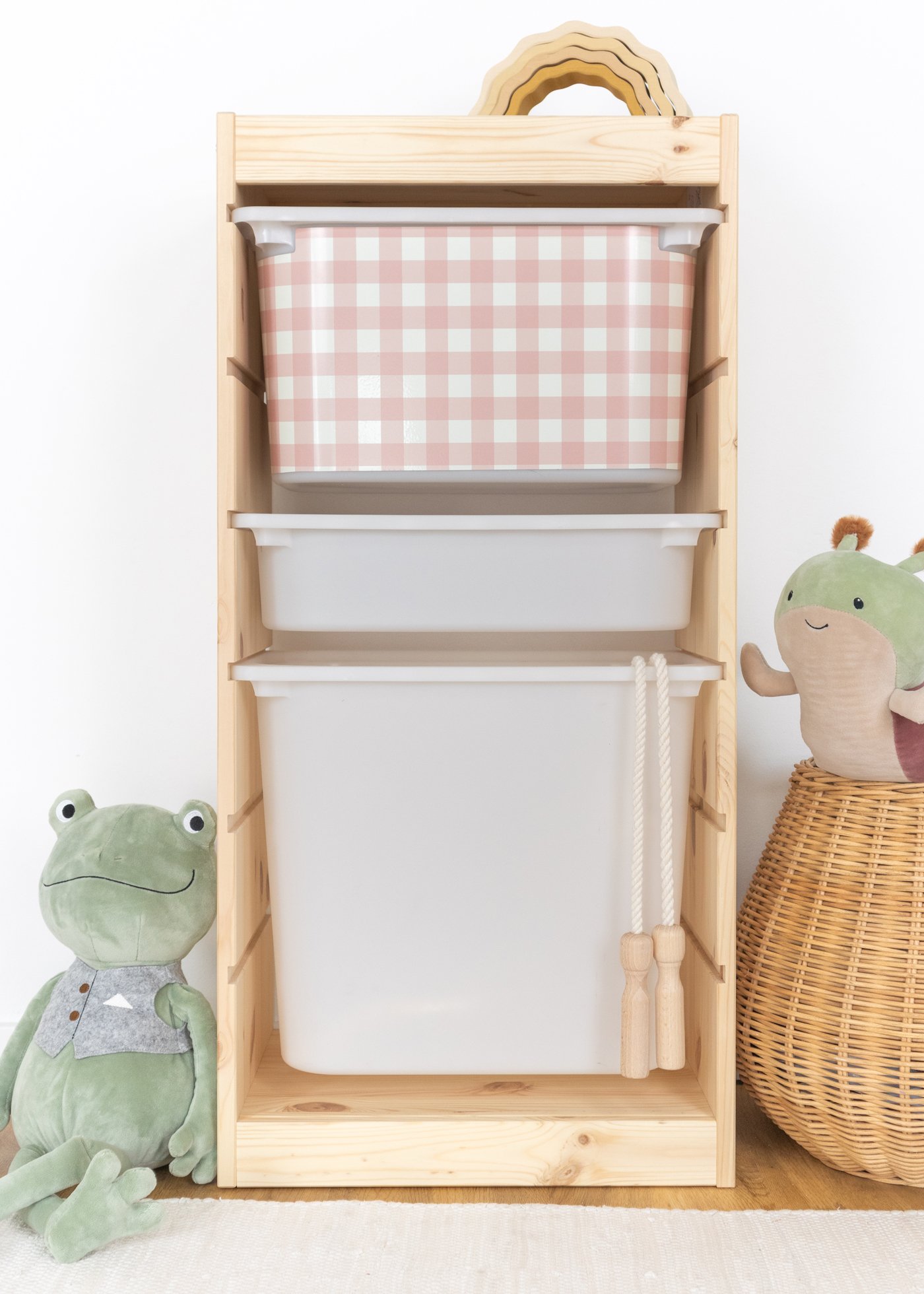
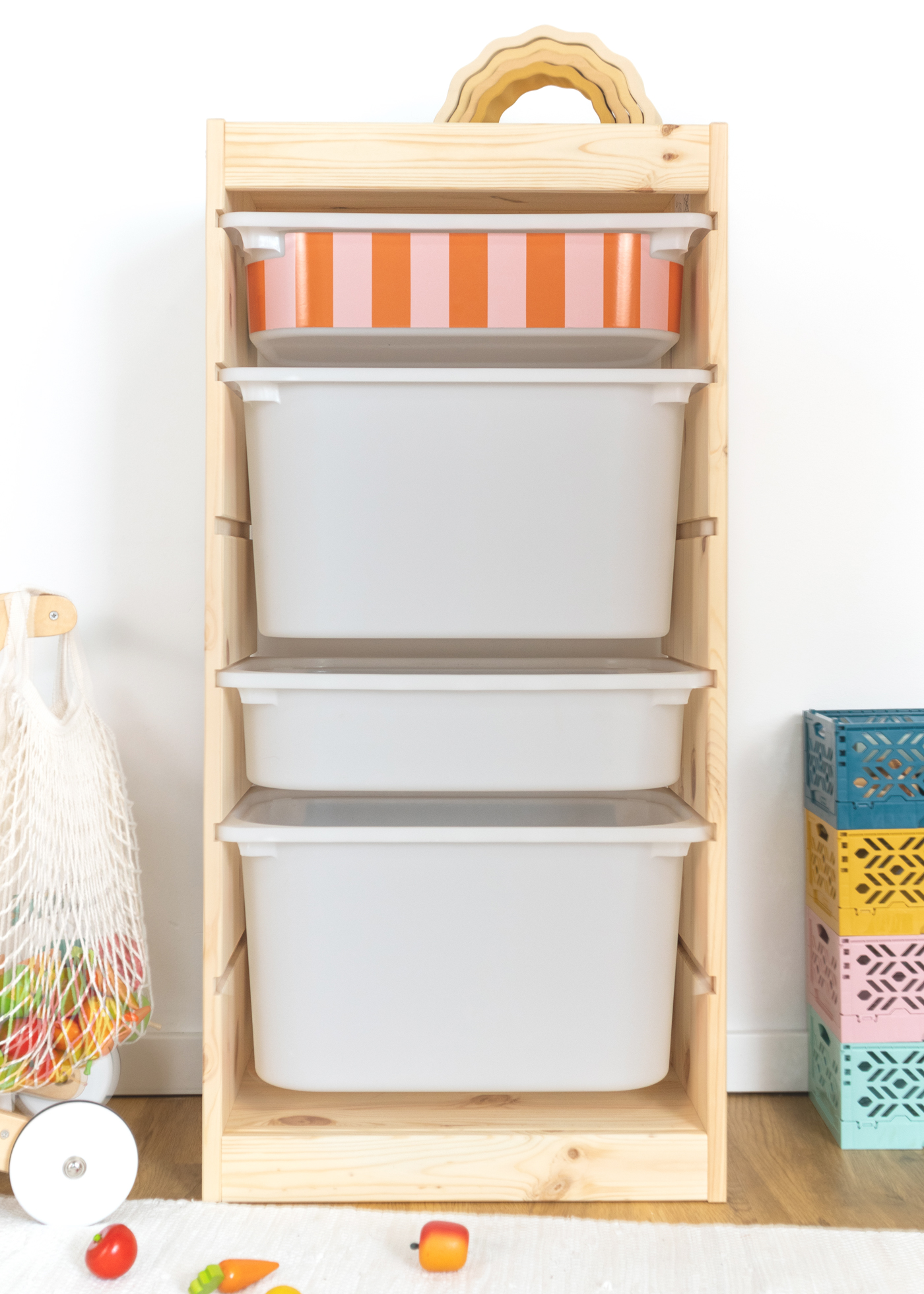
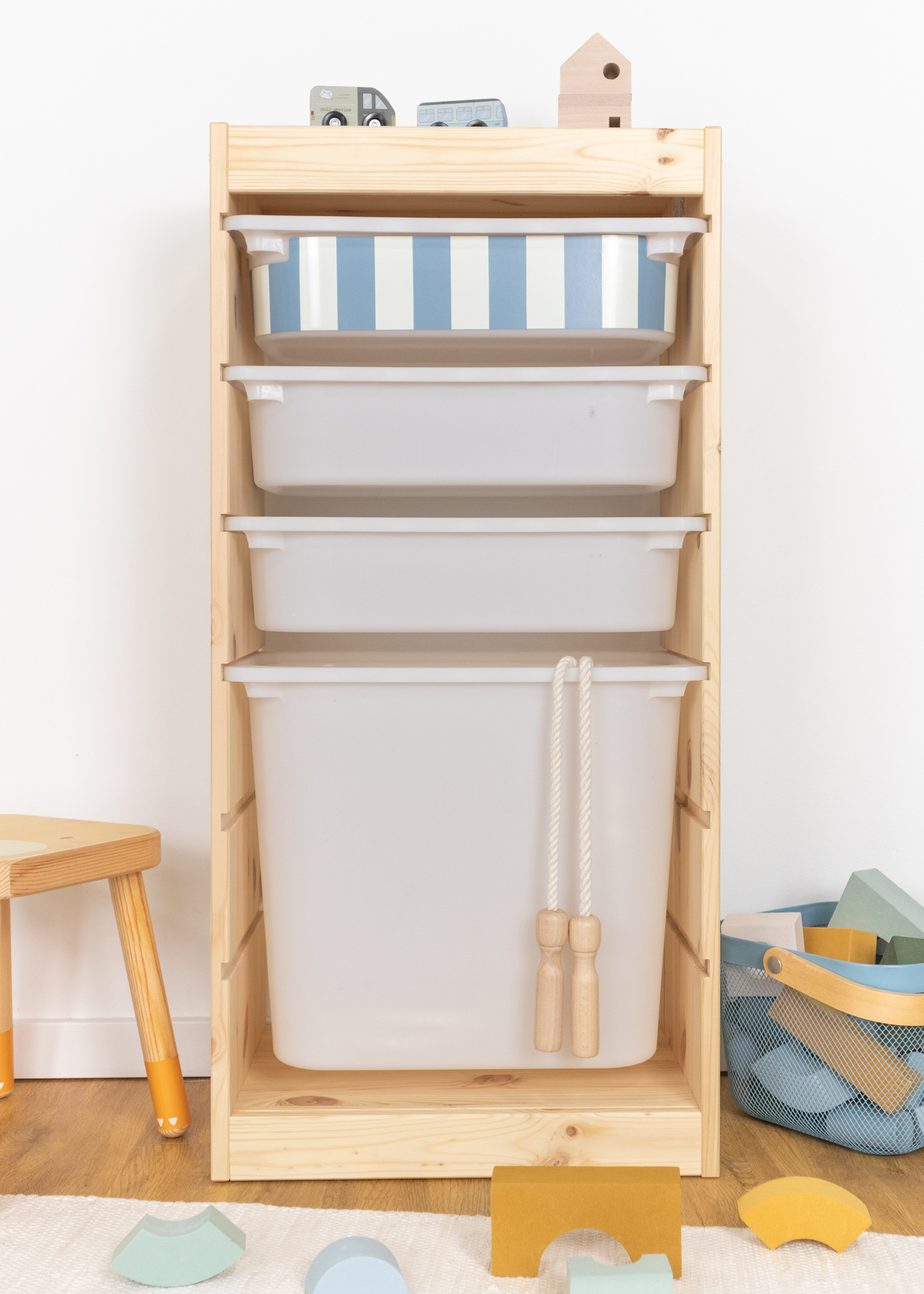
Toys left lying around collect dust on and between individual pieces. Toy boxes with lids protect their contents from dust and make it easier to clean surfaces regularly. Systems such as stackable boxes or modular storage solutions bring structure to everyday life.
A tidy children’s room is not only visually calmer, but also significantly better from a hygiene perspective.
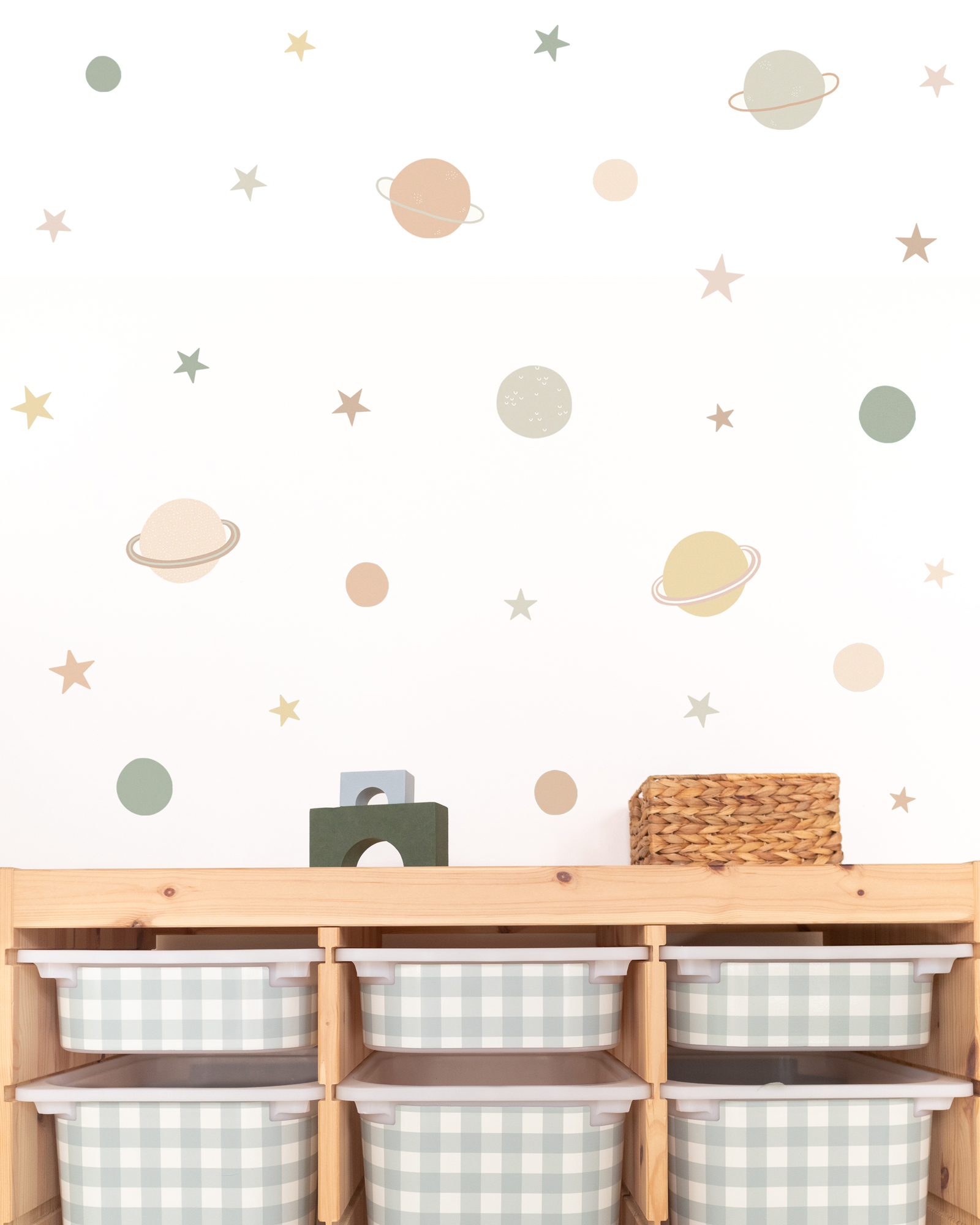
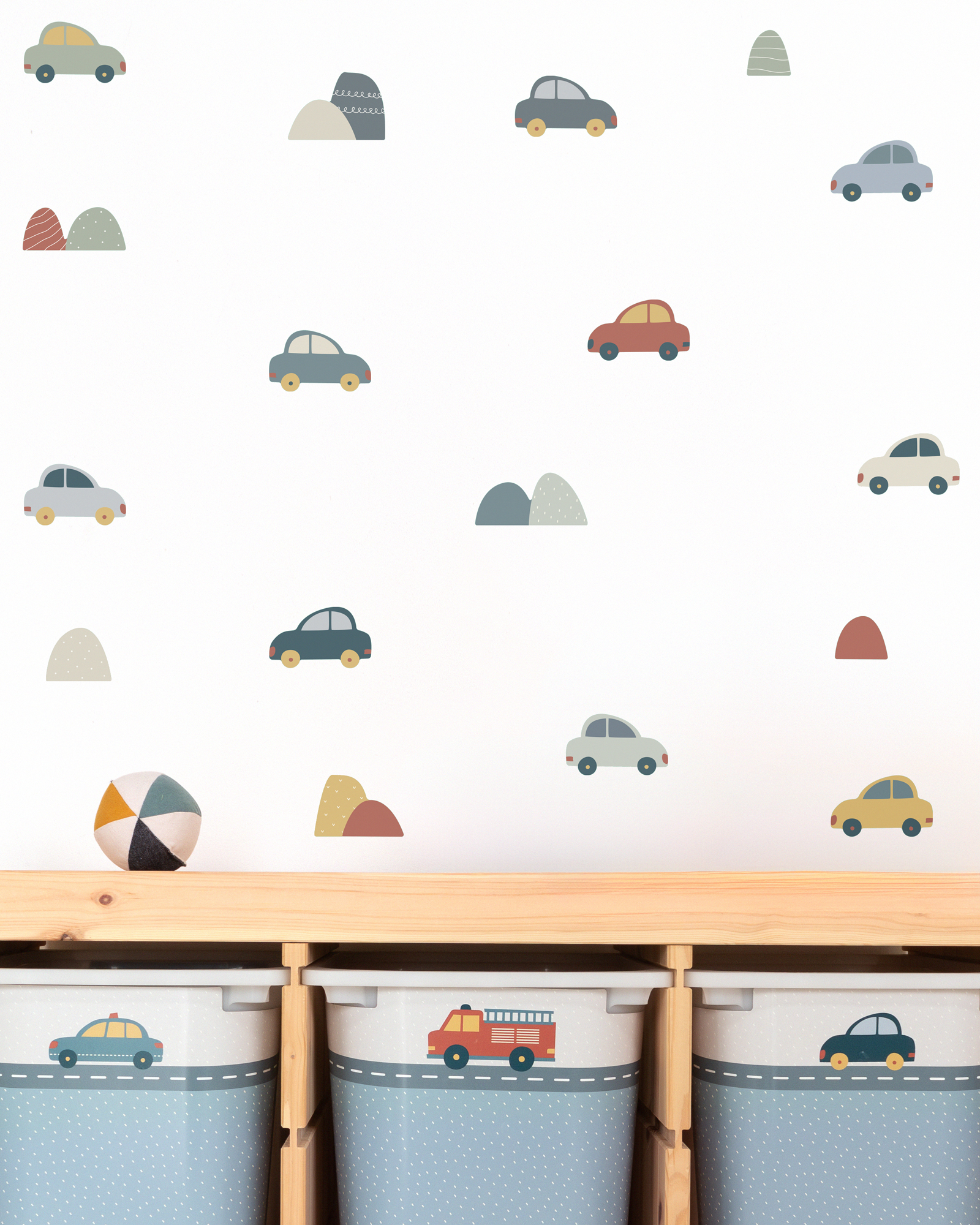
The TROFAST boxes from IKEA can also be easily decorated with the perfectly fitting Limmaland films.
💡 Tip


4. Reduce the amount of textiles: Don’t give dust mites a chance
Dust mites tend to settle in fabrics. It is therefore advisable to deliberately reduce the amount of textiles in a child’s bedroom if they suffer from allergies. Washable roller blinds can be used instead of curtains. Large quantities of cushions or decorative fabrics should be avoided or washed regularly.
Children love cuddly toys, and even in a child’s bedroom for allergy sufferers, soft toys should have a place. So here’s our advice: strike a compromise by allowing just a few soft toys, and ideally choose them in advance to ensure they’re easy to wash.
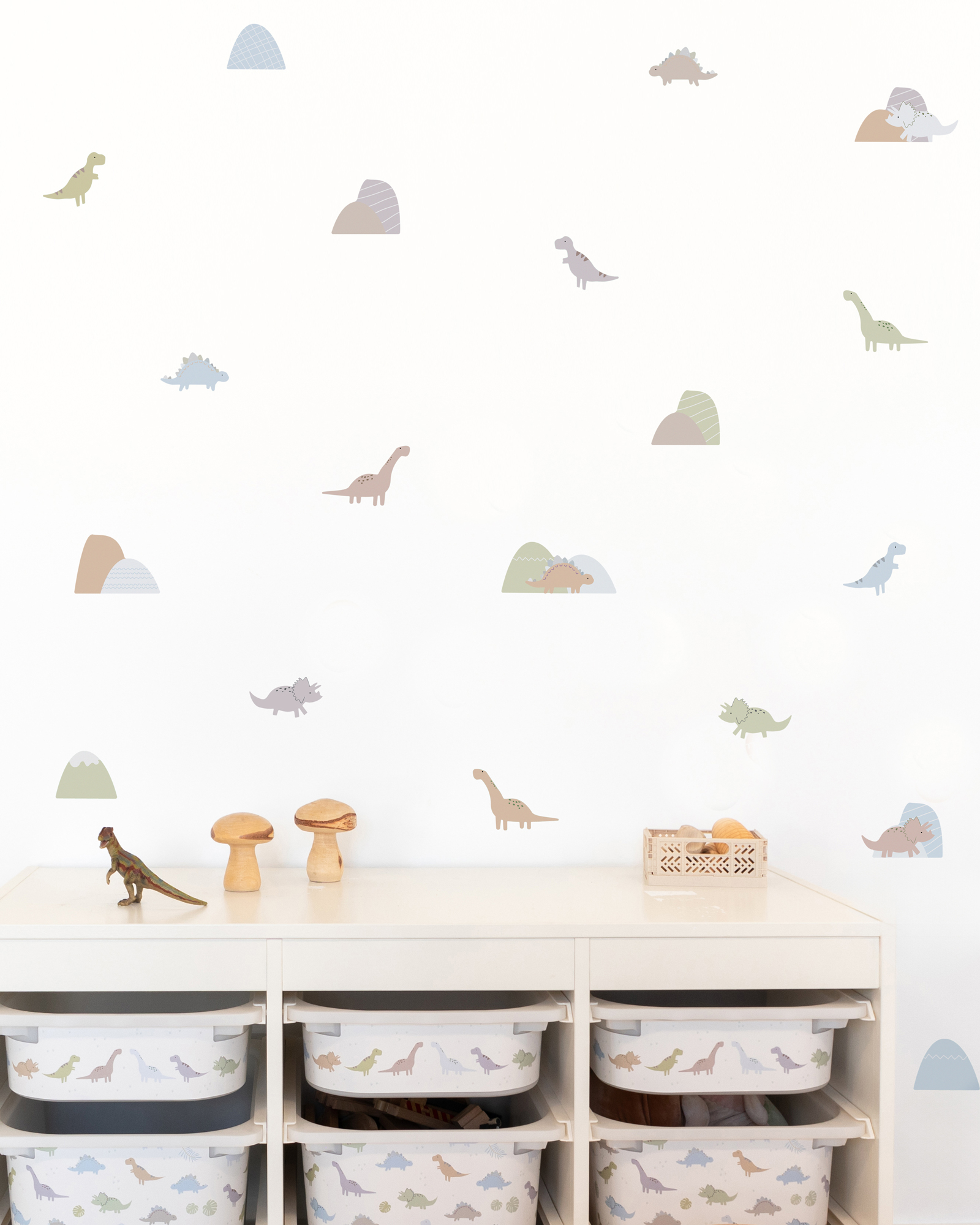
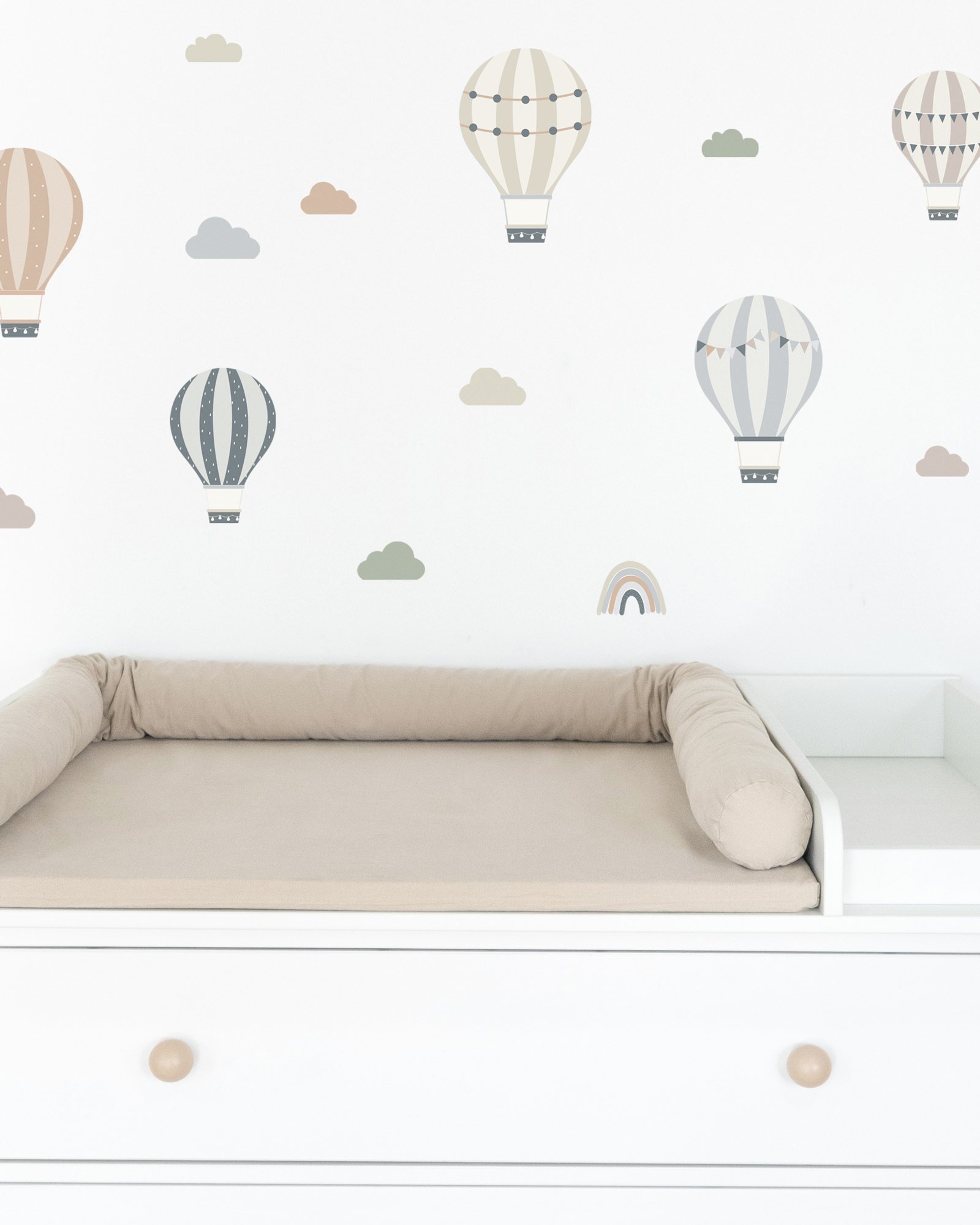
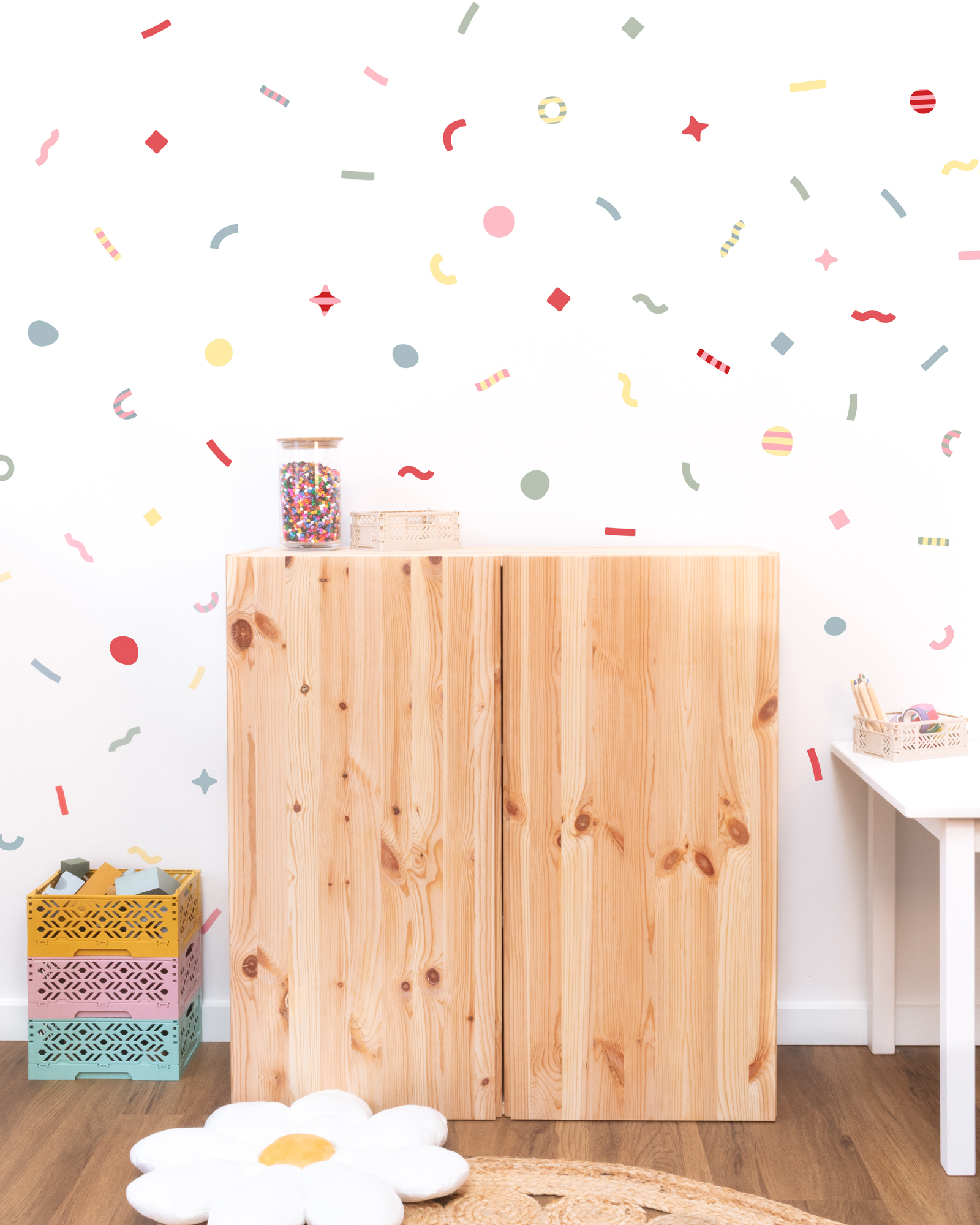
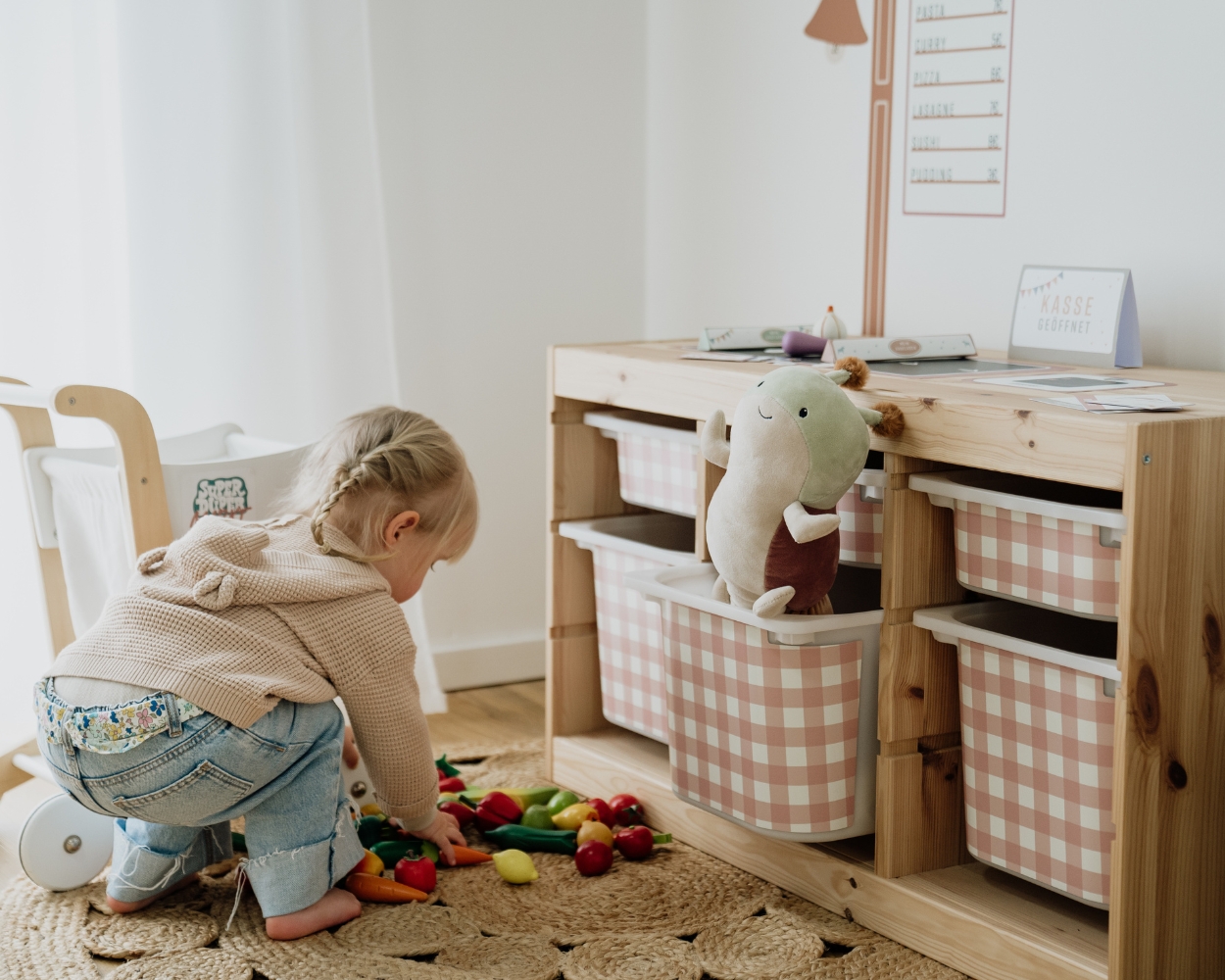
To ensure the child’s bedroom remains cosy despite having fewer fabrics, you can make good use of colourful wall decorations. With the ‘ play shop’ wall sticker from Limmaland, you can easily conjure up a whole new play world, with minimal surfaces that can gather dust



5. Ventilating properly if you have
a pollen allergy To minimise the build-up of pollen in your flat or house if you have a pollen allergy, bear in mind that in the countryside you should ventilate in the evening, and in the city, early in the morning. Pollen levels are usually at their lowest at these times. It’s important to always give the room a thorough air for about 5–10 minutes.
6. Pollen screens for windows in children’s bedrooms
Pollen screens can significantly reduce the amount of pollen entering the room. High-quality models are fitted directly to the window frame and can be easily removed for cleaning. Many systems filter out the majority of pollen and fine dust particles from the outside air. Many screens can be easily removed and cleaned under running water.
More children's bedroom inspiration
Tips for furnishing a child’s bedroom

Children's bedroom décor
Montessori in the children’s bedroom

-
 Creative Kids’ Birthday Party Ideas – Crafts, Decorations & Fun GamesLooking for kids’ birthday party inspiration? Find easy DIY decorations, craft ideas and fun games to make the party special – creative, playful and stress-free!Mehr lesen
 -
 Crafting for Easter: the most beautiful decoration ideasDiscover lots of easy craft ideas for Easter.Mehr lesen
 -
-

-
-
-
 Creative craft ideas for the Christmas seasonGet into the Christmas spirit with creative crafting sessions with your loved ones.Mehr lesen
 -
 Making gingerbread men - sweet decorations for the Christmas seasonMake decorative gingerbread men out of paper.Mehr lesen